Mystery Technique

Mystery Technique #75


106AF98E-0B52-4691-A373-A99B99F00069


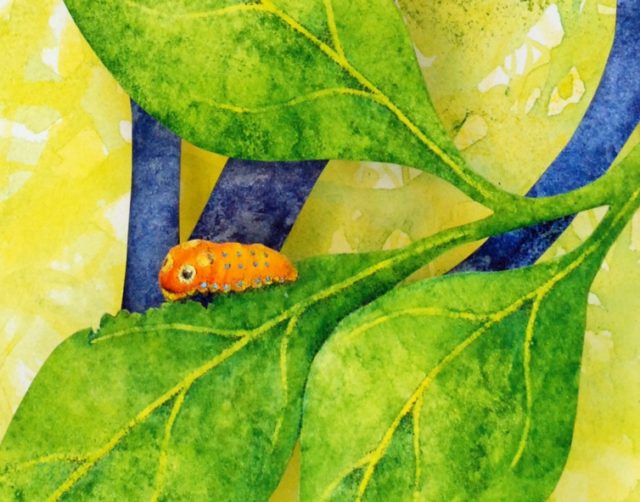
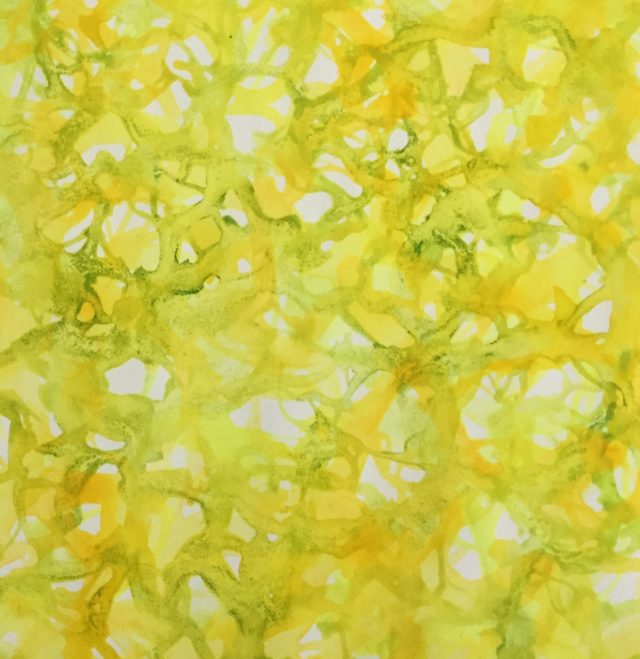
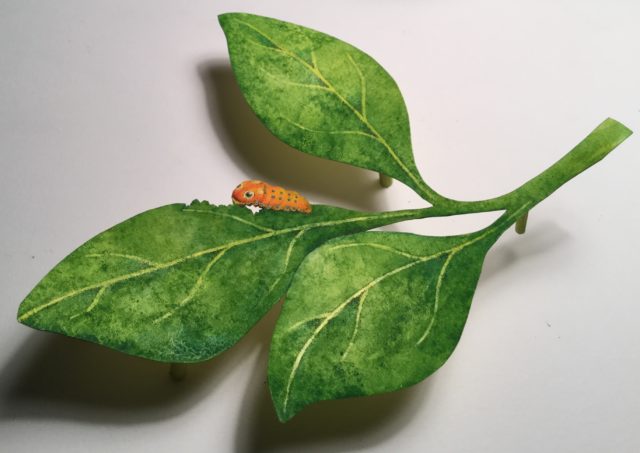
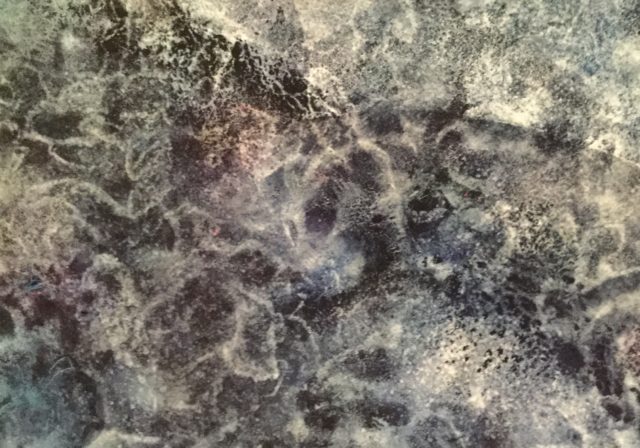
Wonder what techniques I used to create this image? You can find out next month if you’ve signed up for email updates; I’ll reveal the details in December!


ANSWER TO MYSTERY TECHNIQUE #74:

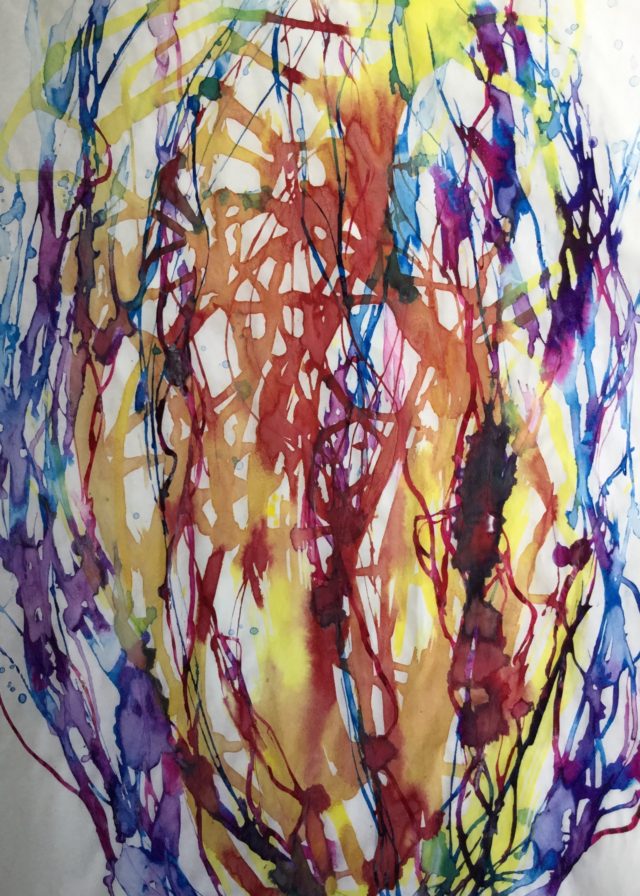
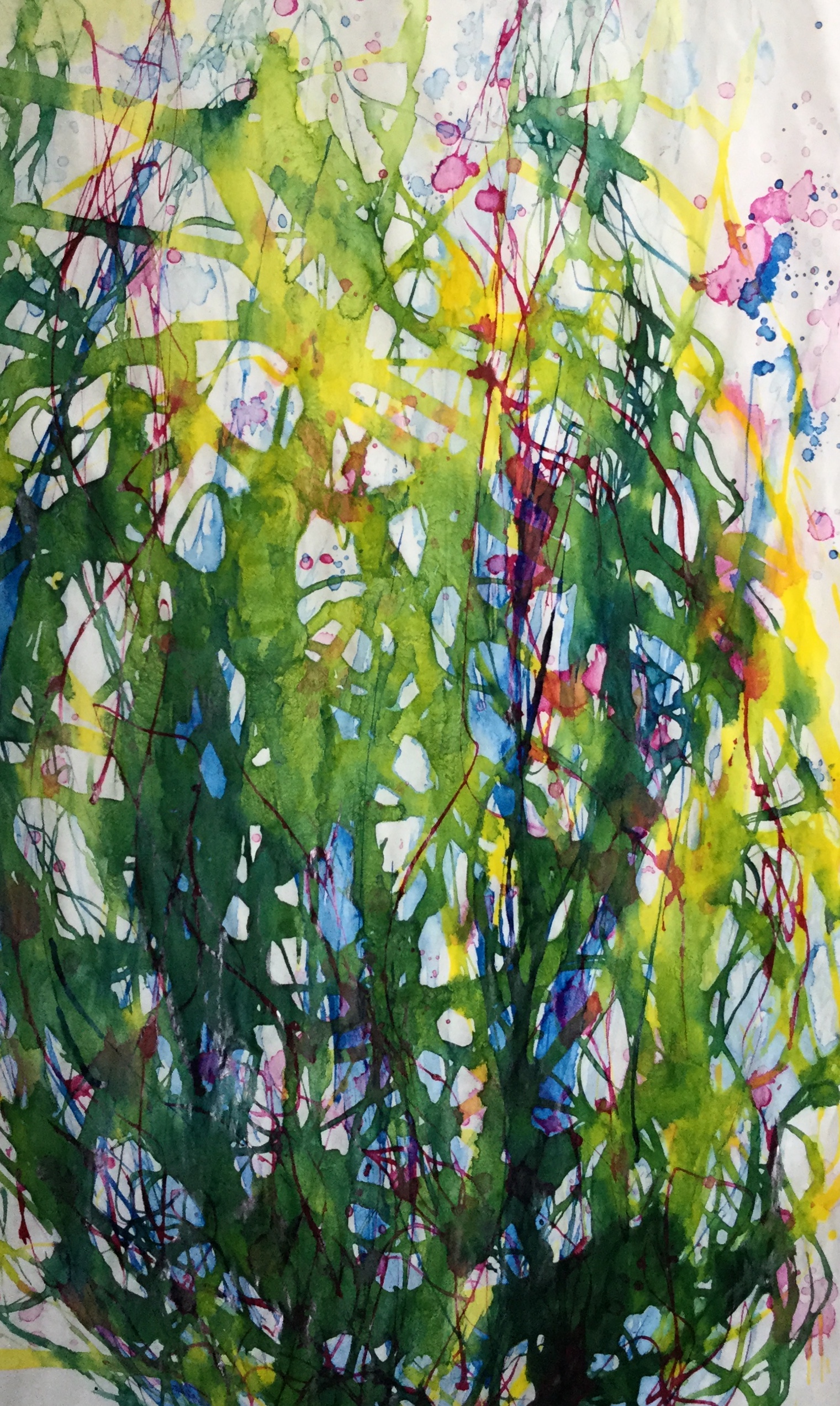
Erythros is an abstraction based on a closeup of maple leaves. I began with the largest shape, outlining the contours with a brush that just had water in it, then adding enough water to the inside of the shape to make the paper buckle into hills and valleys. Next I dropped diluted watercolor paint into the puddles, using a different pipette for each color. As the water slowly evaporated, it left behind a record of its interaction with buckled paper and paint. Each shape had to be painted separately to keep the edges crisp. For added contrast, I used several layers of gouache for the dark blue areas.


Classes/Workshops

Fall Favorites, Workshop News & More!


2D9866A3-64B9-4DB2-A80E-9476EC91AE78


Happy Halloween! Thanks to windy weather, it was a great day to collect Fall leaves; take a look at some of the gorgeous sassafras leaves I found today — it’s my favorite tree!


Erythros©ElizabethSanford


Here’s an abstract painting inspired by Fall leaves, and I’ll be demonstrating some of the techniques I used to create it during the Natural Abstractions Workshop on November 17 at Plaza. It’s my last workshop of 2018, and you can register here:

https://www.elizabethsanford.com/classes/


52F152A3-A659-4770-B462-D16F1B69805F


Hands on Creativity is another Fall favorite; I had a great time  helping people paint watercolor leaves last weekend! I also found out about some exciting new products; some of them will definitely be turning up in future Mystery Techniques!


Mystery Technique

Mystery Technique #74


Erythros, detail


This is a detail of my painting, Erythros. Wonder what techniques I used? You can find out next month if you’ve signed up for email updates; I’ll reveal the details in November!


ANSWER TO MYSTERY TECHNIQUE #73:

Acrylic inks can create luminous colors and surprising textures when you apply them to claybord! I began each layer with a wash of water, which beaded up in places on the surface of the claybord. When I dropped in diluted acrylic ink, it flowed to the edges of the irregular wet shapes. I let each layer dry before repeating the process. Even though it took many thin glazes to build up the colors and textures, the inks kept their transparency, giving the colors a glow that’s hard to achieve on paper or canvas. You can see one of my smaller claybord pieces in person at the Green Hills Library Branch; it’ll be on the bottom shelf of one of the cases until October 30.