Category Archives: Mystery Technique

Mystery Technique

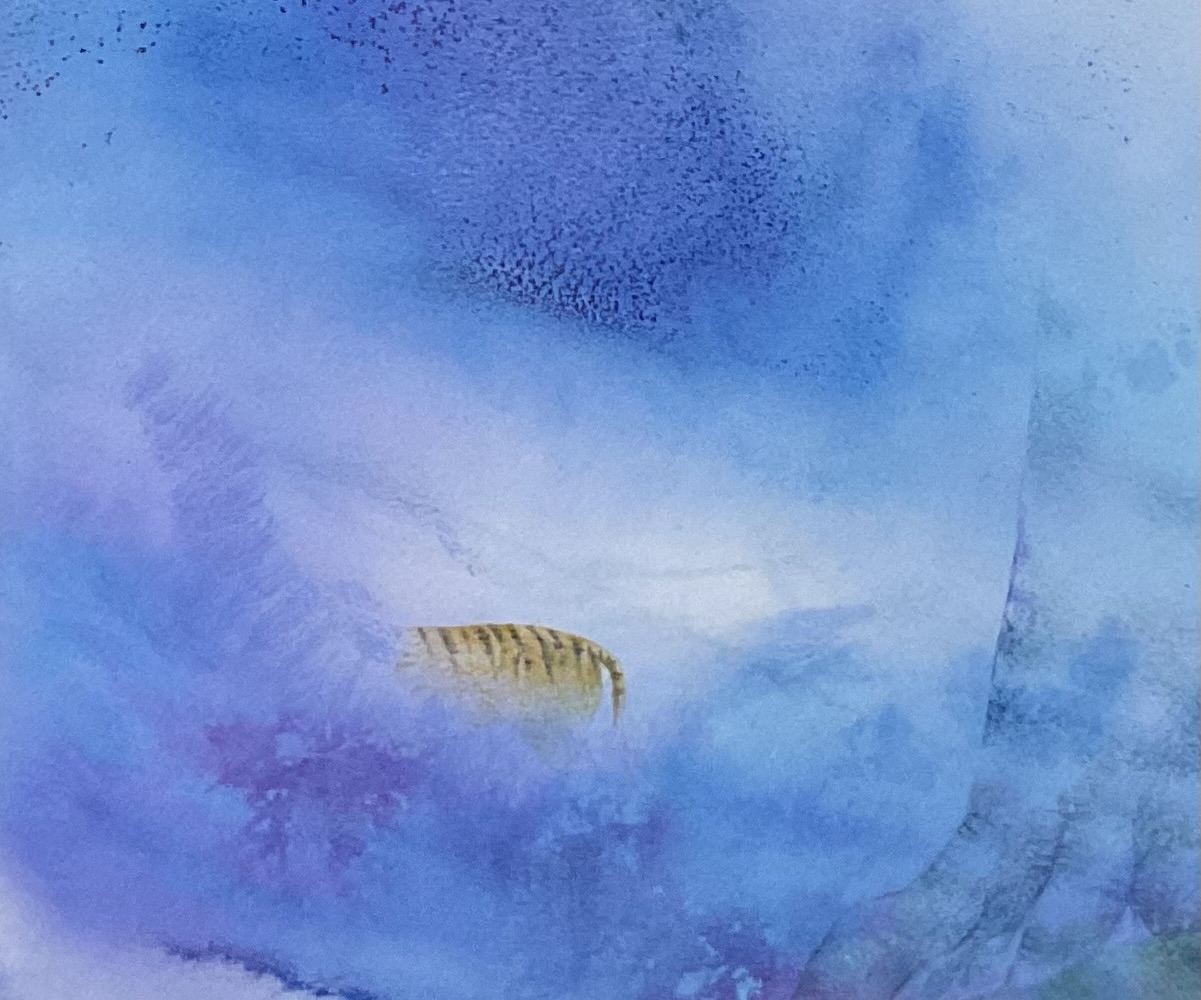
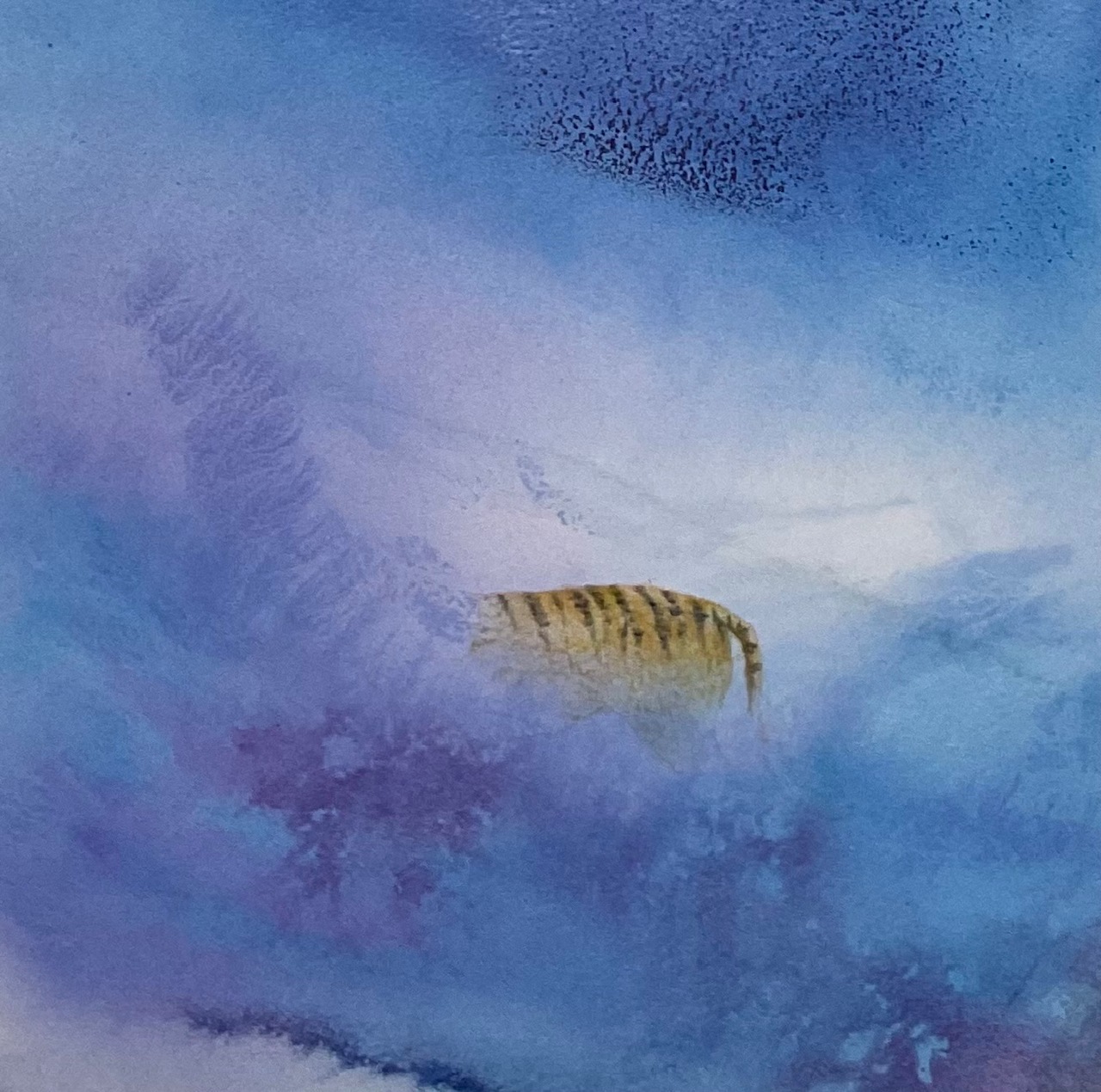
Mystery Technique #161

Curious about the techniques used here? You can learn more next month if you’ve signed up for email updates! 

ANSWER TO MYSTERY TECHNIQUE #160:

It’s surprising how little paint and water you need for this technique! After painting the yellow center, I worked on each petal separately. First I wet the petal shape; then I touched a damp brush to undiluted Quinacridone Magenta and quickly applied it in the direction of the petal’s growth, using another damp brush to blend it in and mimic the pansy’s texture. I continued painting with 2 brushes in the same way to finish the first layer of each petal. For the 2nd layer, I put a little undiluted Winsor Violet in a third brush and continued blending the strokes in the same way.

Mystery Technique

Mystery Technique #160

Curious about the techniques used here? You can learn more next month if you’ve signed up for email updates! 


ANSWER TO MYSTERY TECHNIQUE #159:

This painting was inspired by a dream! I started with an underpainting of yellow. After this layer dried, I used a Forsline & Starr Colour Shaper to apply masking fluid in irregular marks for the roots and patches of light. I temporarily covered the shape of the door with a piece of junk mail. When the masking fluid was completely dry, I painted the first layer of the root ball. I used a wadded-up piece of wax paper to apply more texture in darker browns. Next I painted some abstract green shapes to suggest foliage in the background. Masking fluid leaves hard edges, so after I removed all of it, I used watercolor pencils to add depth and dimension to the roots.

Mystery Technique

Mystery Technique #159

Curious about the techniques used here? You can learn more next month if you’ve signed up for email updates! 


ANSWER TO MYSTERY TECHNIQUE #158:

Masking fluid and waxed paper are the stars of this mystery technique! First I tore rock shapes out of junk mail and temporarily attached them to the paper with tape. To create the effect of waves crashing against the rocks, I used a wadded up piece of plastic wrap to apply masking fluid and save the white of the paper. I waited for the masking fluid to dry before painting the sky with a graded blue wash. After this layer was dry, I painted the water with a slightly duller blue. Next I removed the torn pieces of paper and painted the rock shapes with a mix of browns and dark gray. While the rocks were still shiny wet, I pressed wrinkled wax paper into the wet paint and put a heavy book on top. I waited until the next day to remove the waxed paper, which left a series of intriguing shapes. I then added touches of darker colors to make the rocks more dimensional.

Next I removed all the masking fluid.

To create more sense of motion and depth in the crashing waves, I used a small piece of a cleaning eraser (the Target brand) to soften some edges and also added a few touches of blue gray.