Category Archives: Mystery Technique

Mystery Technique

Mystery Technique #131

Curious about the techniques used here? You can learn more next month if you’ve signed up for email updates!

ANSWER TO MYSTERY TECHNIQUE #130:

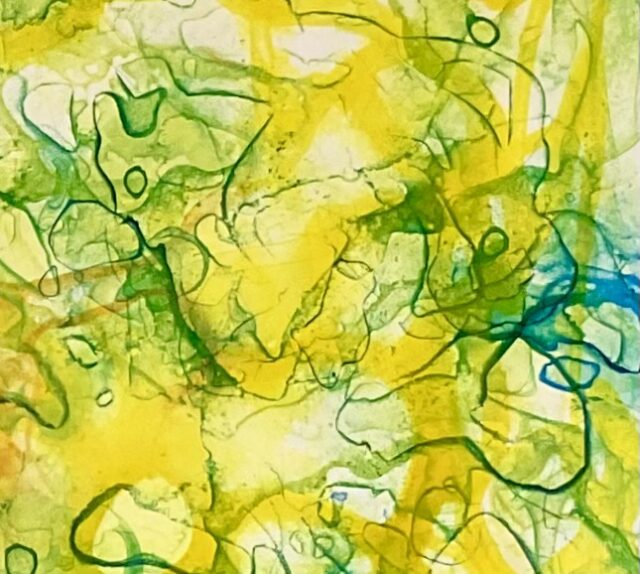
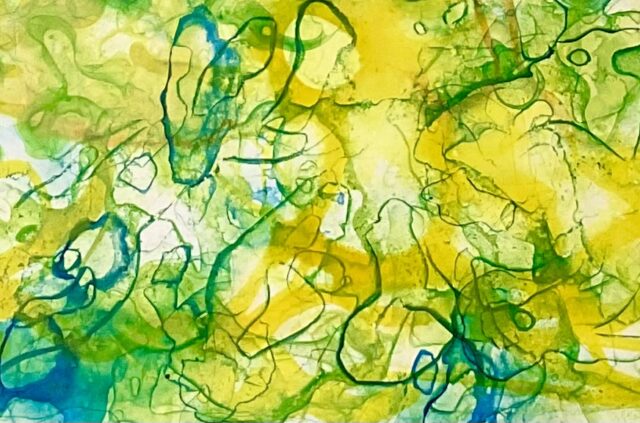
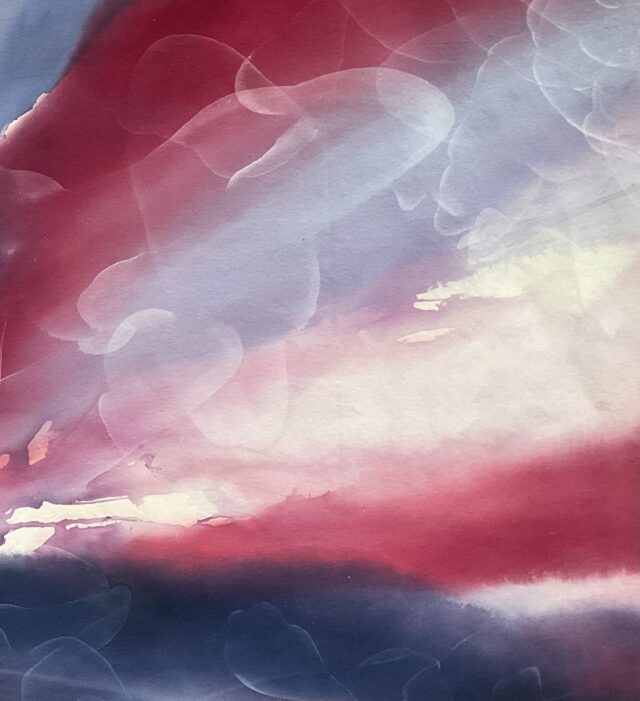
Fun with Yupo continues! I wet the paper first, then added diluted acrylic ink. Next I dropped in isopropyl alcohol, which repelled the wet paint to create all sorts of mysterious effects. As the water evaporated, concentric dark edges formed around some of the shapes.

Mystery Technique

Mystery Technique #130

Curious about the techniques used here? You can learn more next month if you’ve signed up for email updates!

ANSWER TO MYSTERY TECHNIQUE #129:

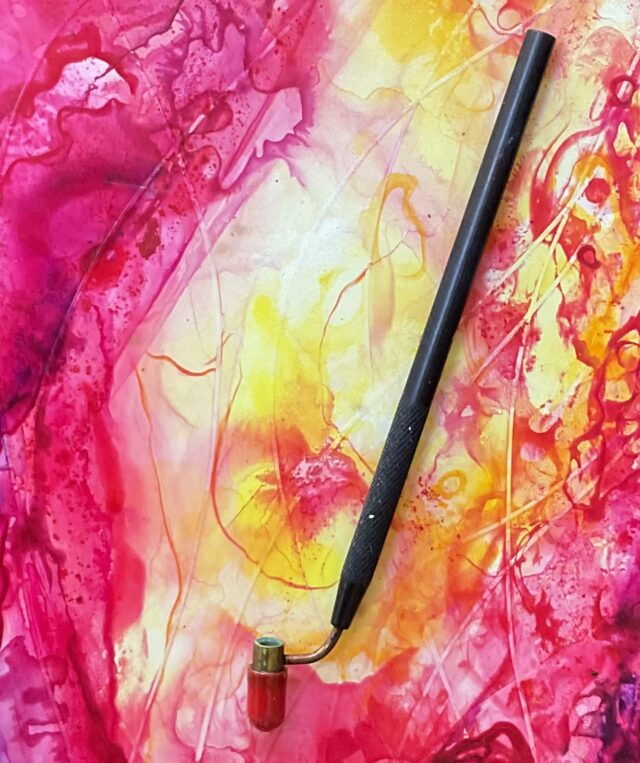
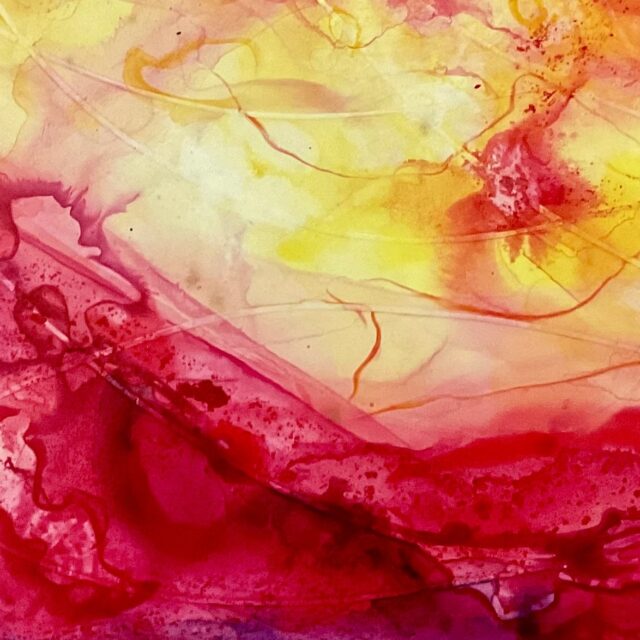
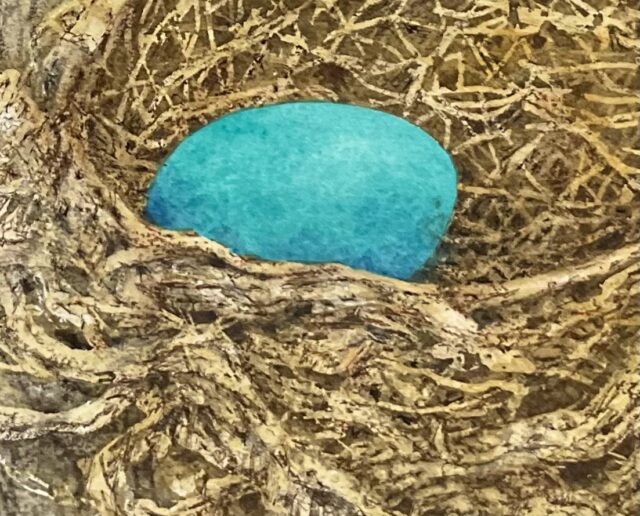
Intriguing effects happen when you paint with diluted acrylic inks on Yupo! It’s a synthetic paper, so the paint sits on the surface instead of soaking in. I started by painting the sheet with water and then dropped in the paint, tilting the paper to make the colors flow. When the blue was almost dry, I sprayed it with water to create a mottled texture in places. Darker outlines sometimes formed at the boundaries between wet and dry shapes; I imitated this effect by applying paint to the tip of my Angle Chisel Colour Shaper tool before dragging it across the surface in a twisting motion and using a sponge to partially blend it in.

Mystery Technique

Mystery Technique #129

Curious about the techniques used here? You can learn more next month if you’ve signed up for email updates!

ANSWER TO MYSTERY TECHNIQUE #128:

You can get luminous watercolor mixtures by glazing! First I drew 3 lemons and painted them all with a graded wash of the same intense yellow, adding a little yellow-orange to the one on the bottom. After this layer dried, I created a shadow color for the lemon on the right by mixing Permanent Rose and Cobalt Blue. To avoid disturbing the yellow layer, I used a soft brush to gently rewet the lemon before adding the blue-violet shadow. I repeated the steps for the lemon on the bottom, substituting a mixture of Cobalt Blue and Viridian for the shadow.

Mixing colors with transparent glazes can create dramatically different results from palette mixtures, as you can see here.