Category Archives: Mystery Technique

Announcements Mystery Technique

Mystery Technique #91


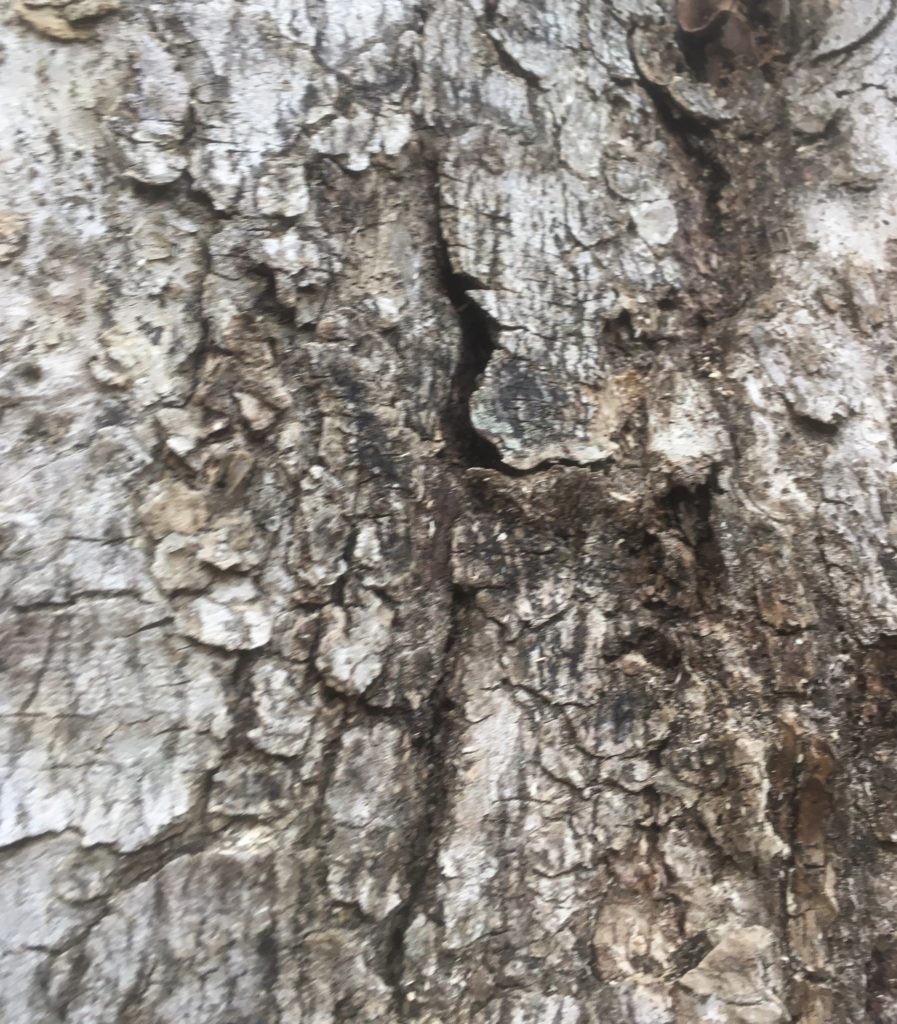
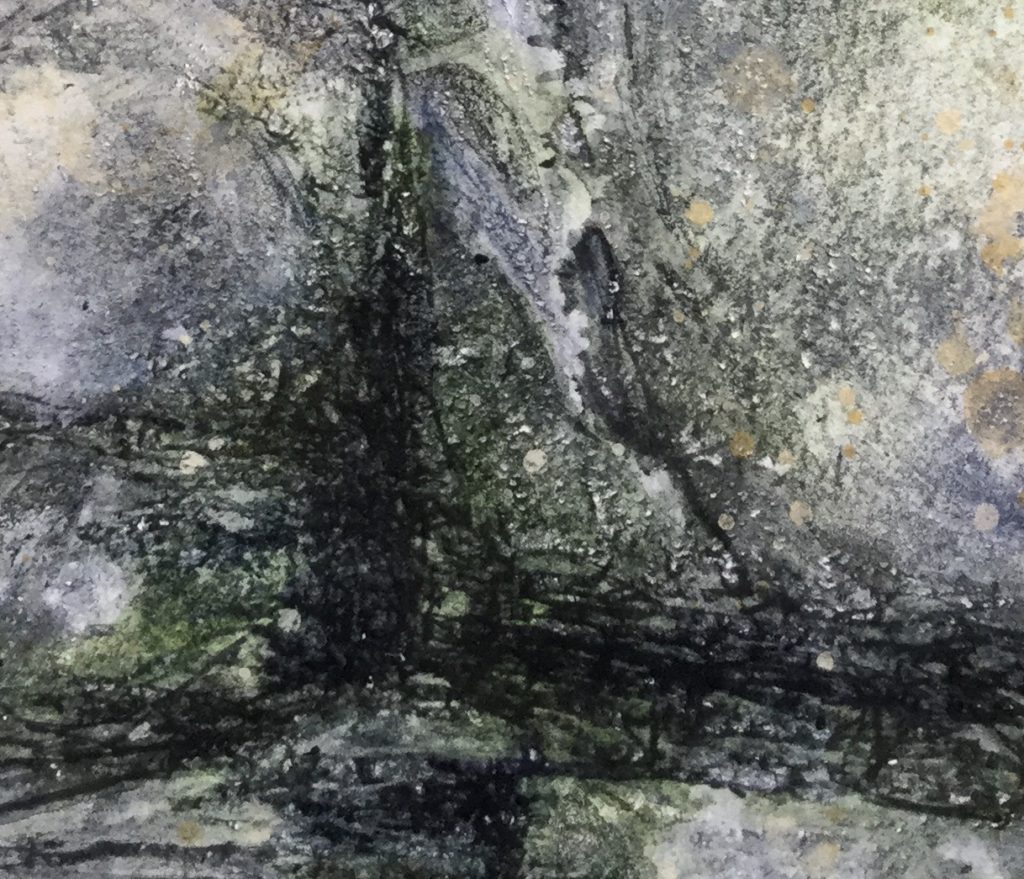
Curious about how the special techniques I used to experiment with rock wall textures? You can find out the details next month if you’ve signed up for email updates; I’ll explain more about it in May!

ANSWER TO MYSTERY TECHNIQUE #90:

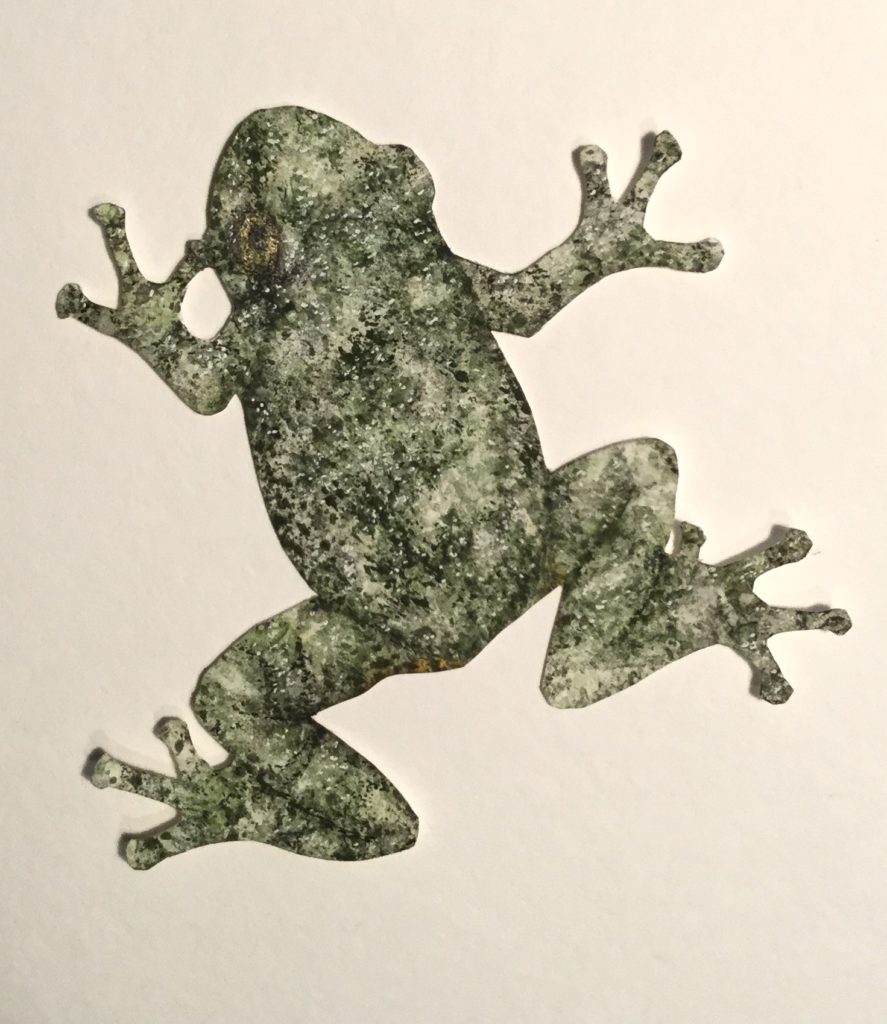
The treefrog is another example that started with the plastic-on-wet paint technique! Here’s what it looked like when I took off the plastic:
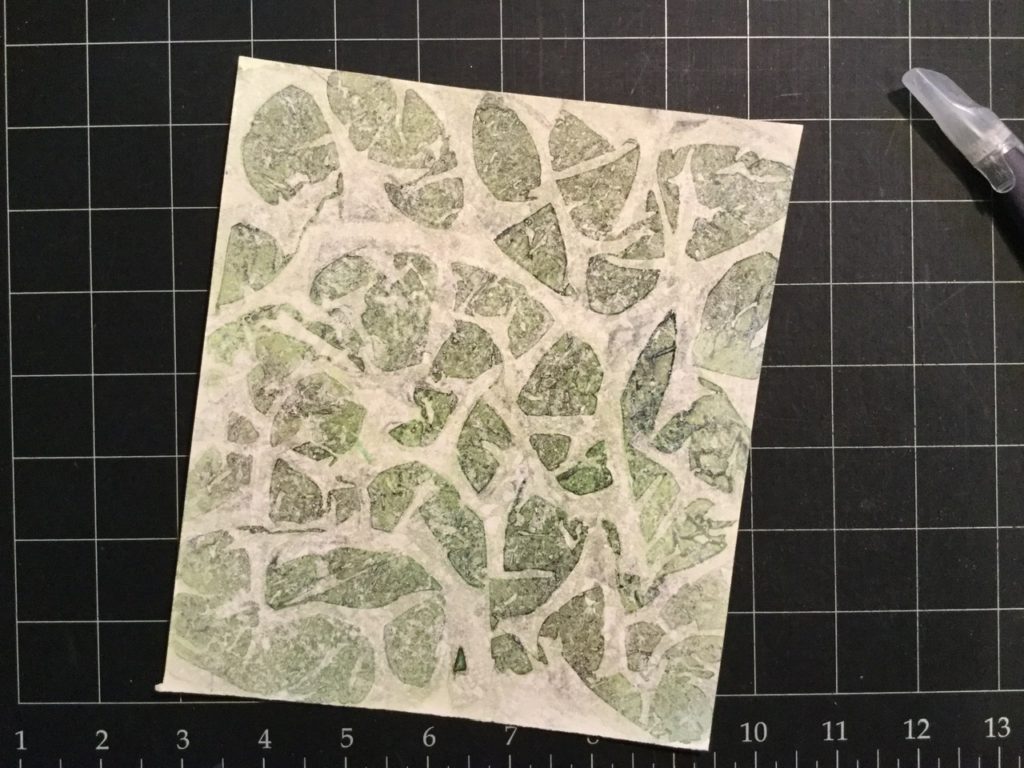
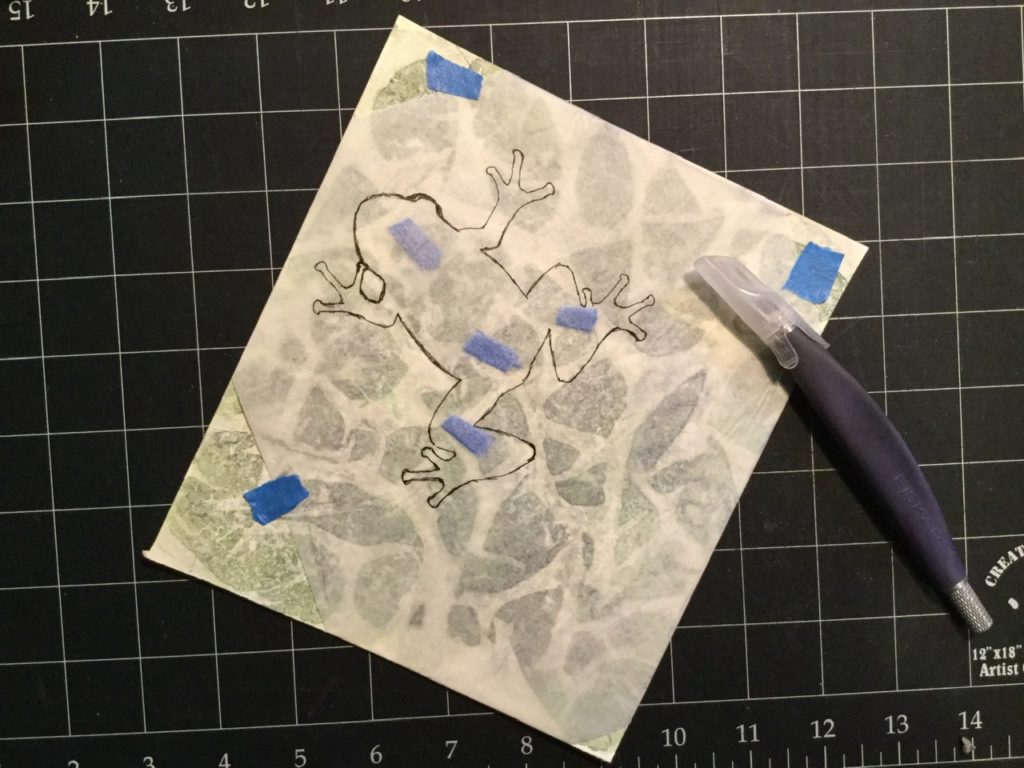
Cope’s Gray Treefrog is very common in the neighborhood woods; the calls of the males are a classic late spring/summer nighttime sound, especially after a good rain. I consulted multiple photos to help me to choose a section that best captured the look of the skin; then I taped a tracing of my drawing to the paper and cut through both layers:
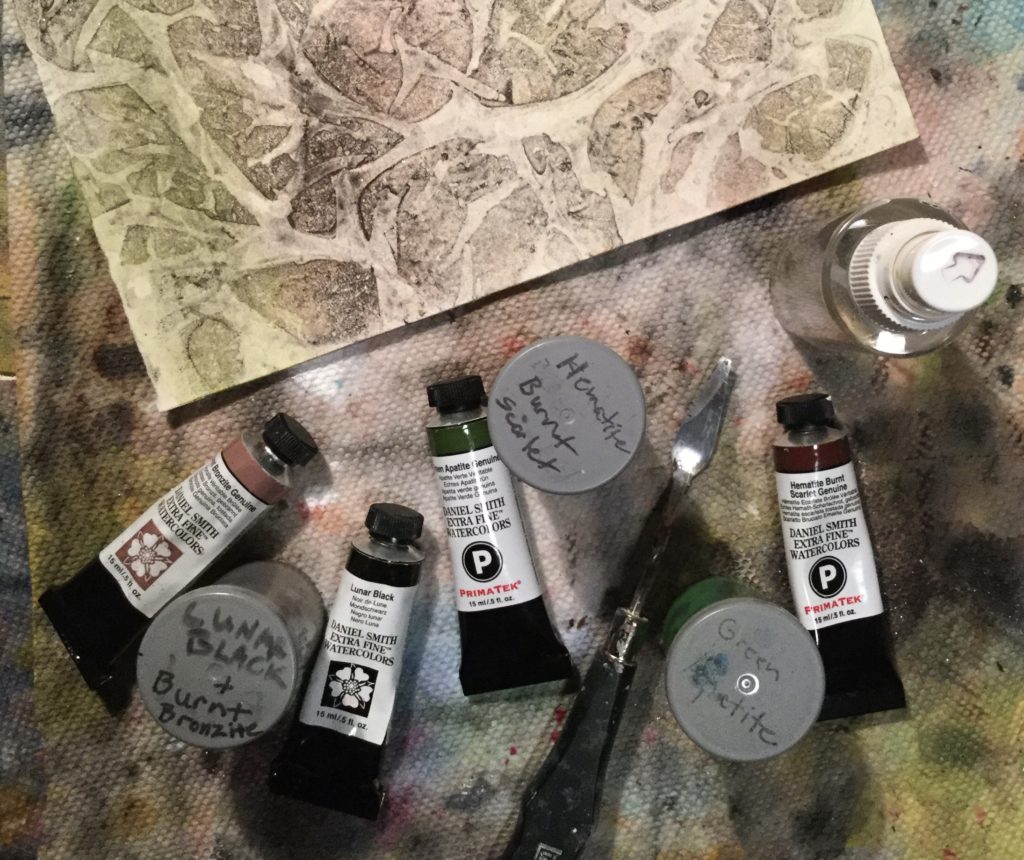
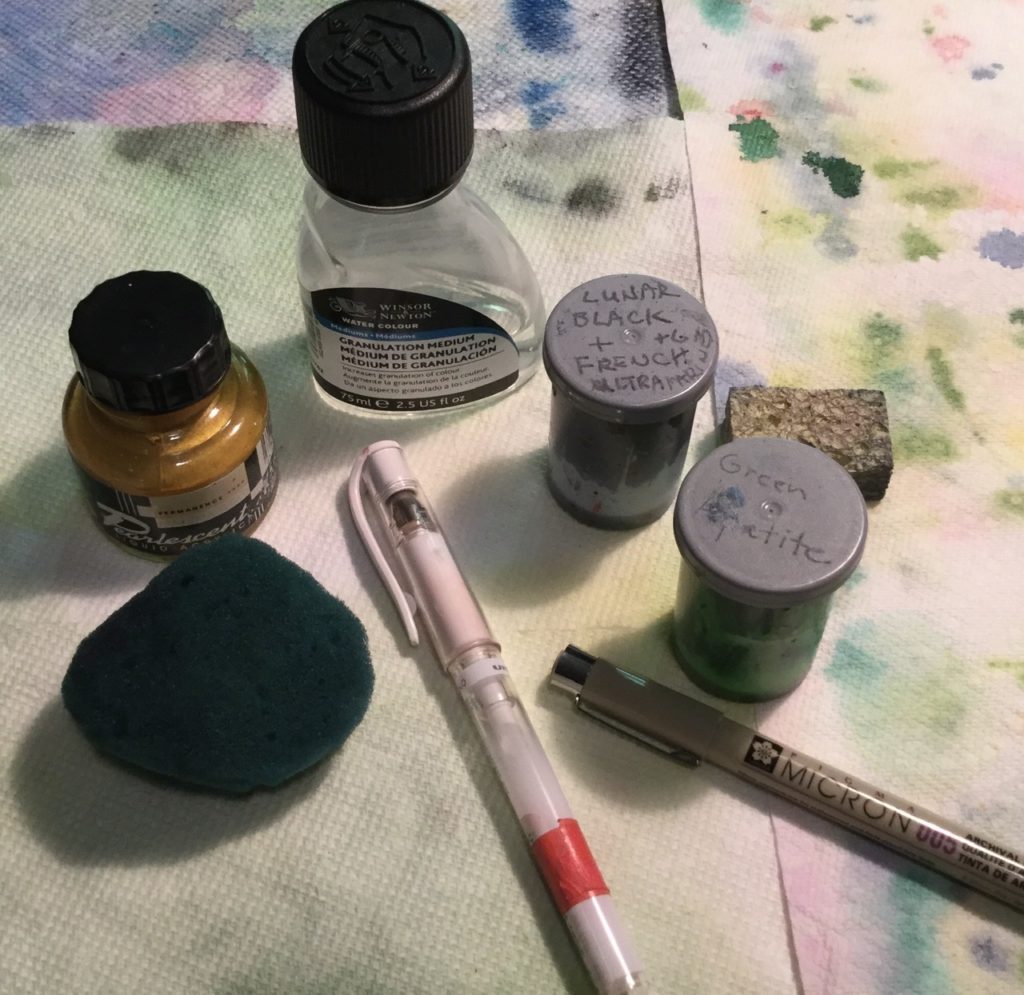
These are the colors and tools I used:
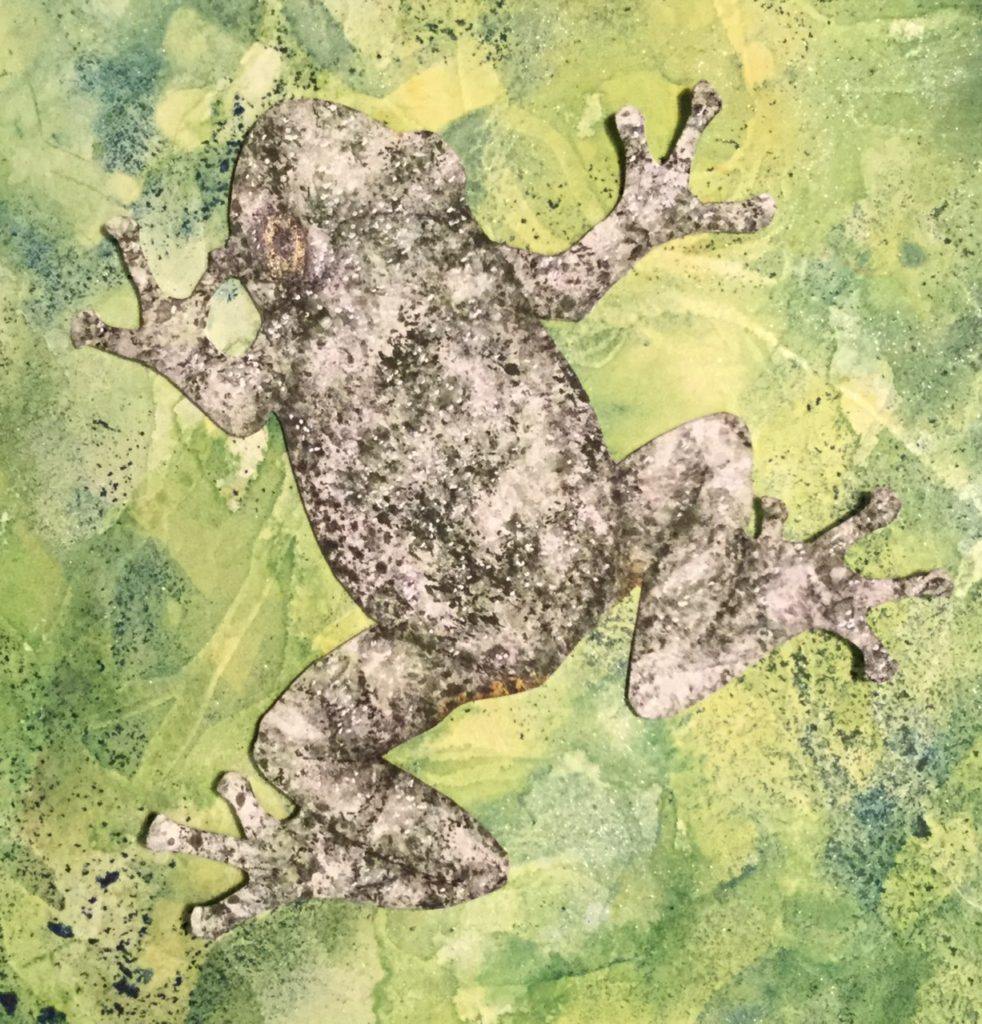
Just like the real ones, my painted treefrog can vary in color if you change the background!
Mystery Technique

Mystery Technique #90

Curious about how the special techniques I used to paint this frog? You can find out the details next month if you’ve signed up for email updates; I’ll explain more about it in April!

ANSWER TO MYSTERY TECHNIQUE #89, PART 2:

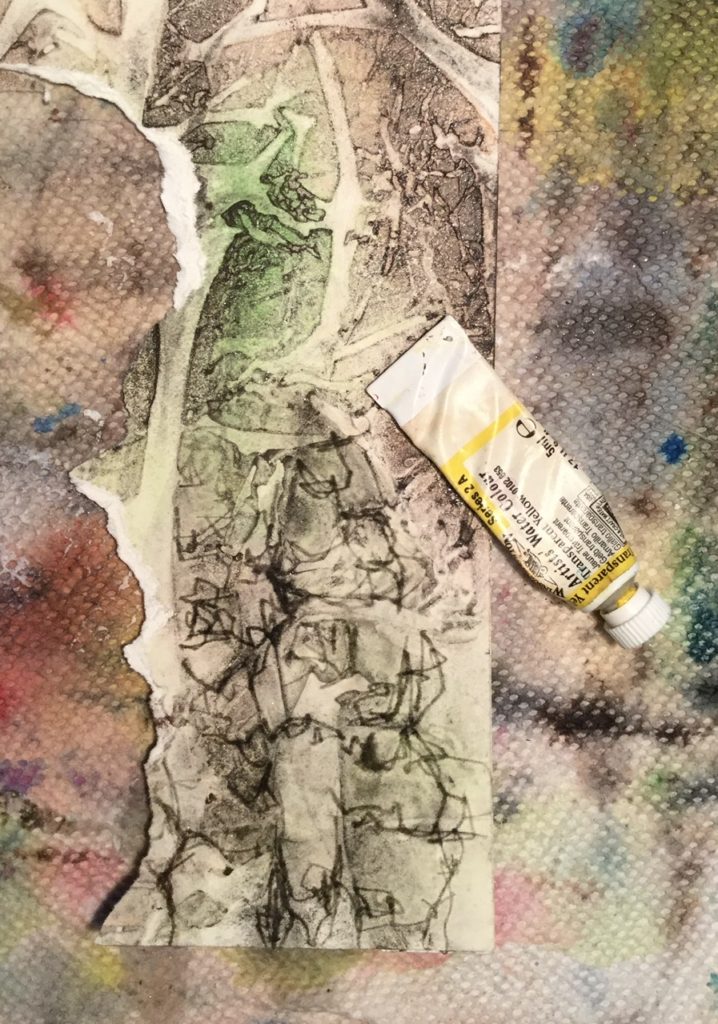
A metal paint tube make a great tool! After wetting a section of this plastic-on-wet paint example, I used a corner of the crimped end to scratch out some random lines and added a little more paint to deepen them:

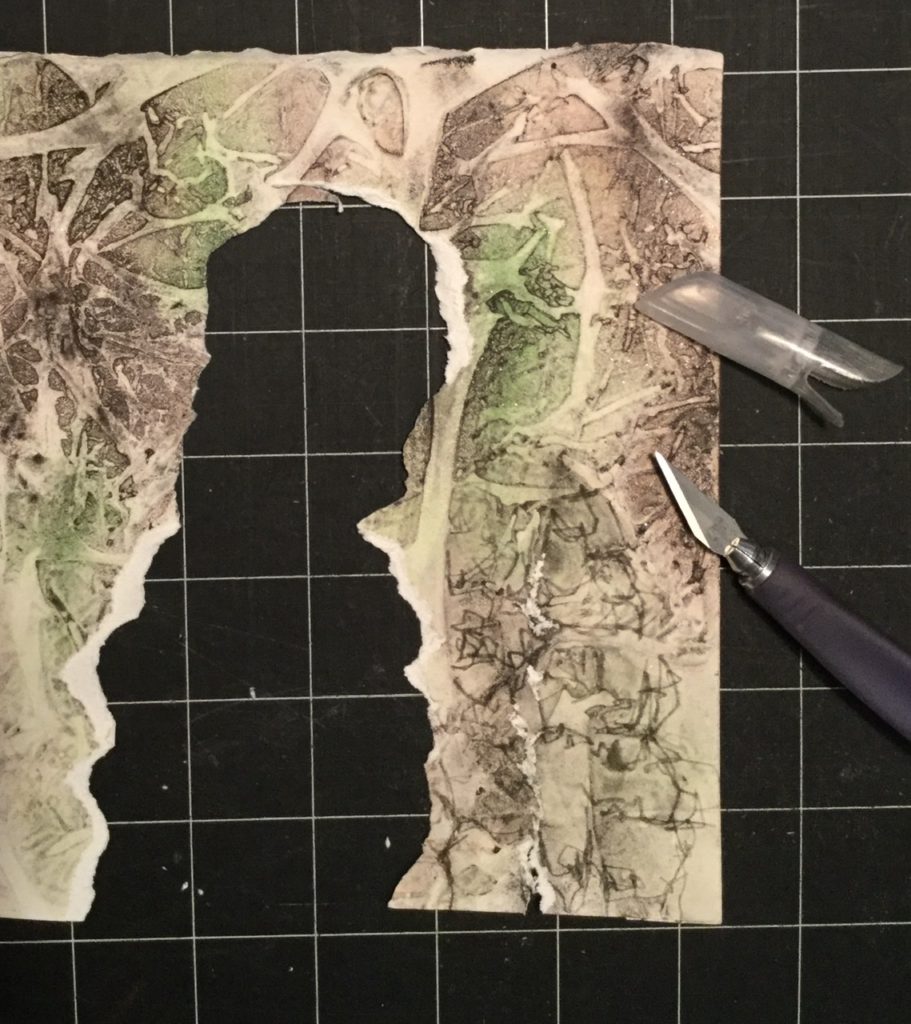
Next I used a craft knife to scratch out some deeper cracks:

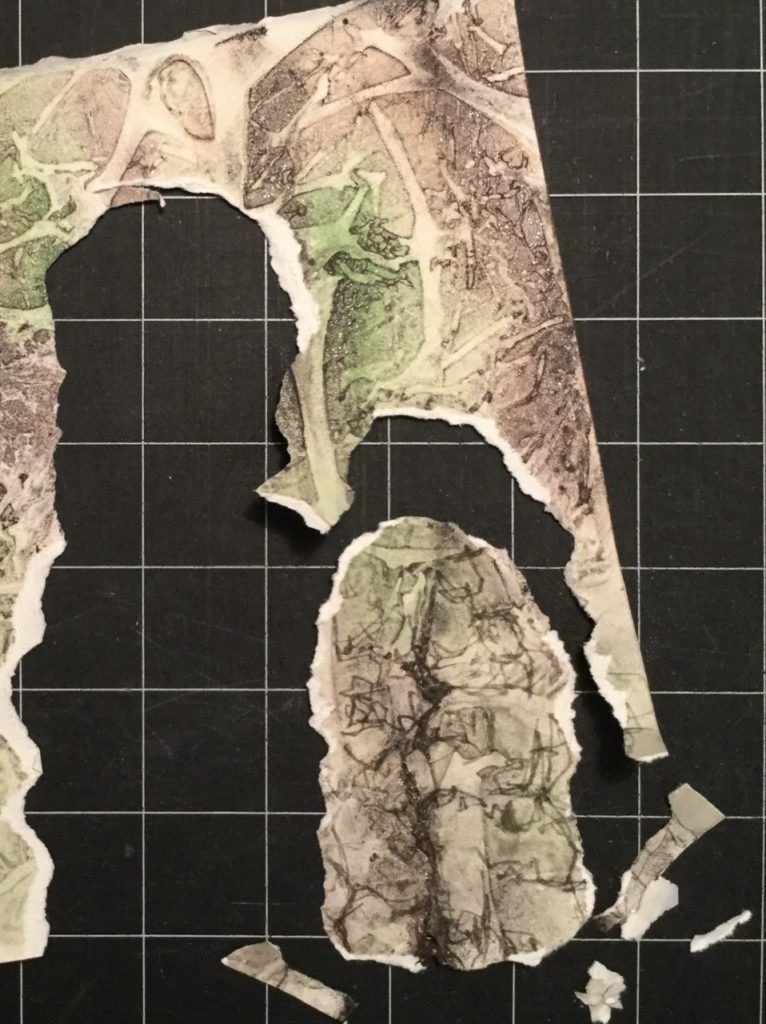
I added a little paint to the scratched marks before I tore the section out. It varies the edge to alternate tearing up and tearing down:

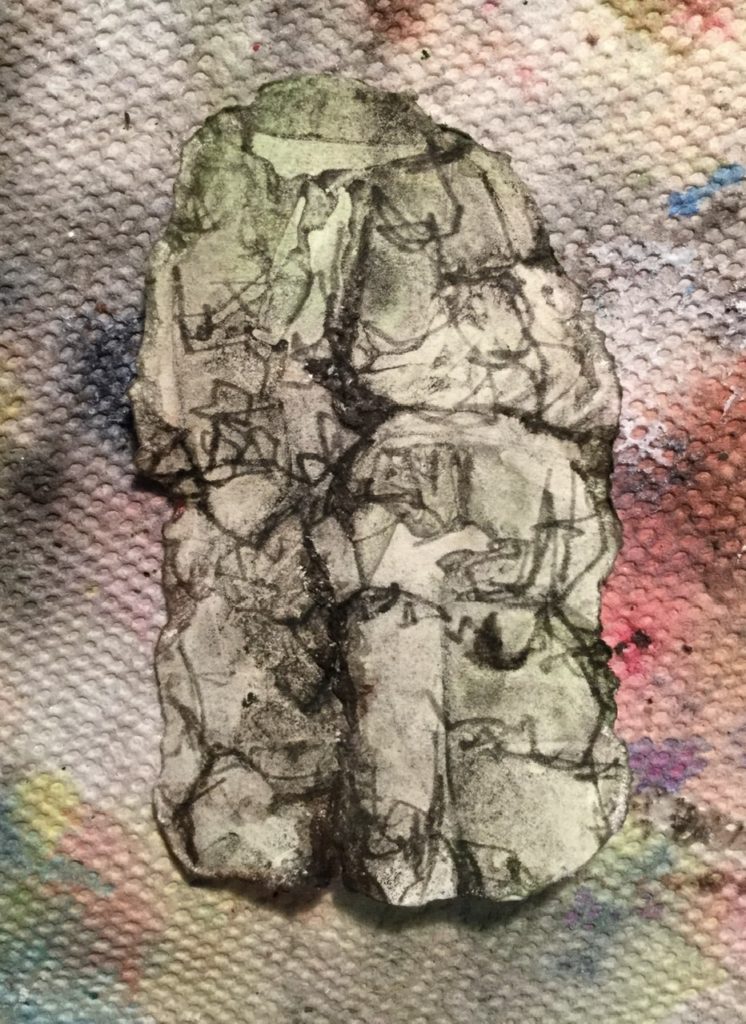
Painting the torn edges was the last step. I’ll be using some of my bark pieces as a background for the frog!

Mystery Technique

Mystery Technique #89, Part 2

ANSWER TO MYSTERY TECHNIQUE #89, PART 1:

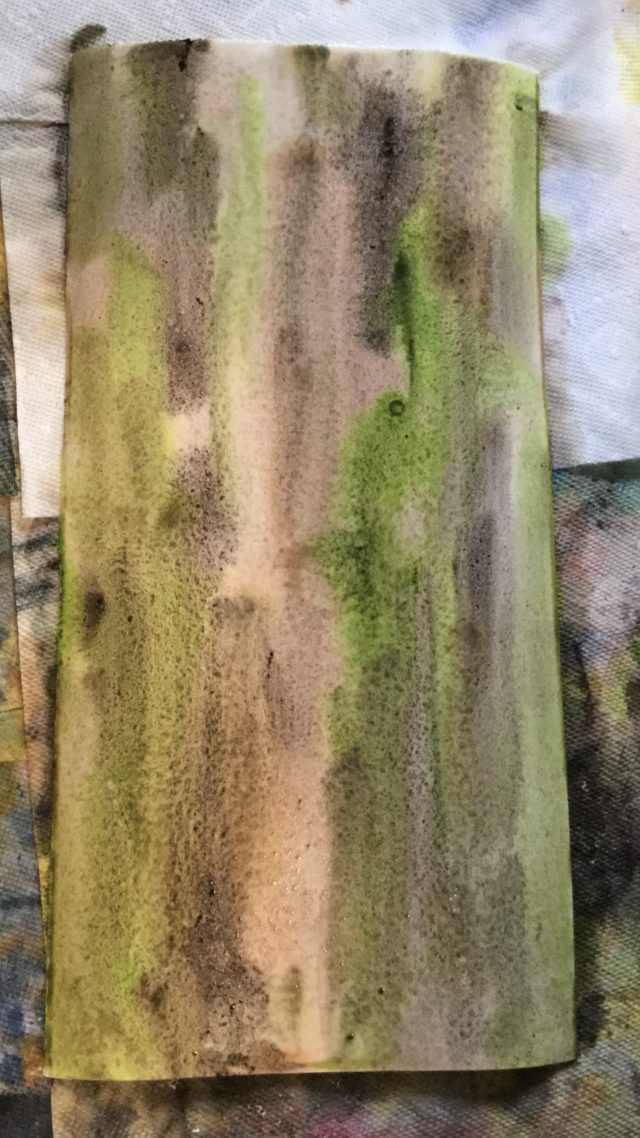
The Mystery Tree is a Yellow Buckeye! Here’s a step-by-step demo of one of my bark experiments. First I wet 140 lb. hot press watercolor paper, then applied a quick wet-in-wet mix of watercolors:

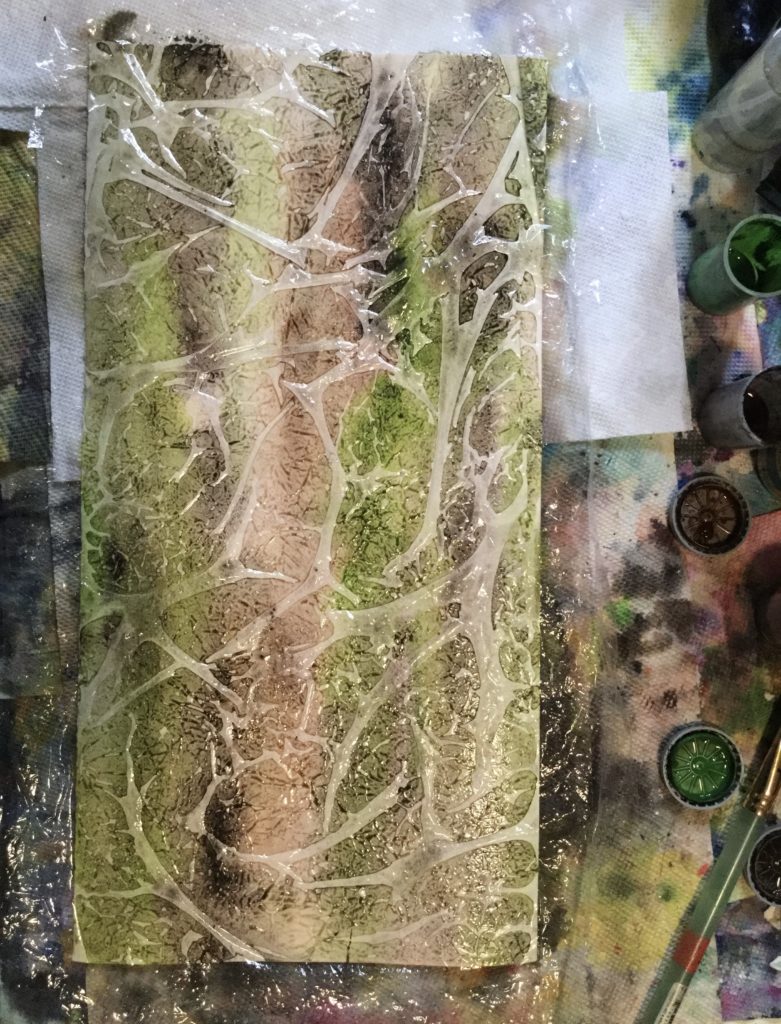
While the paper was still wet, I applied a piece of very thin plastic cut from a free “gift” bag from UPS; they gave to me when they left a large package by the door in the rain. Different weights of plastic create different effects, so it’s fun to experiment!

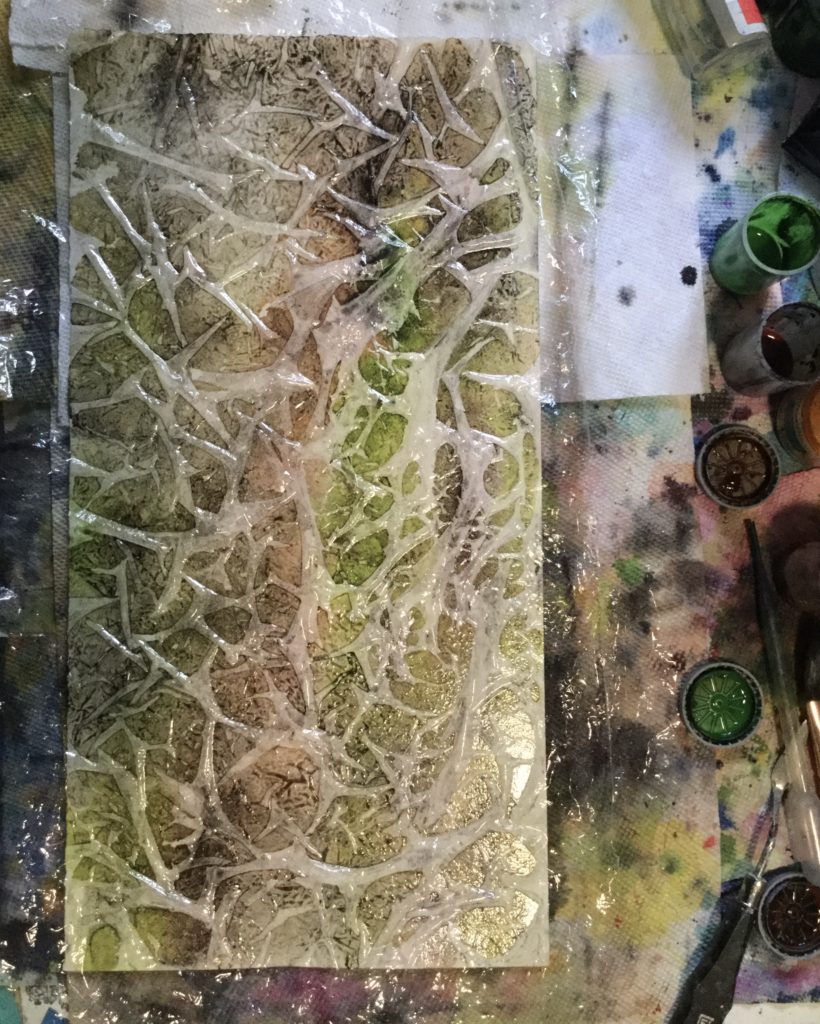
Manipulating the plastic with a palette knife added more variety to the wrinkling pattern. I also tilted the paper and touched the edges with a loaded brush to darken the colors in a few spots:

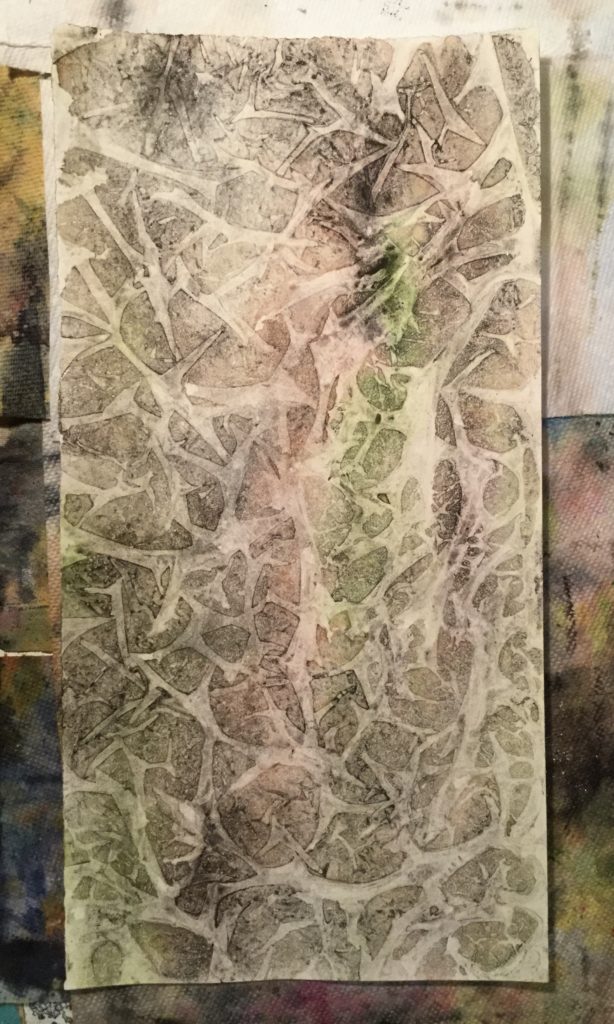
After about 5 hours, I took off the plastic. Here’s the result:

The granulating pigments I used increased the sense of texture. You can see my paint choices below:

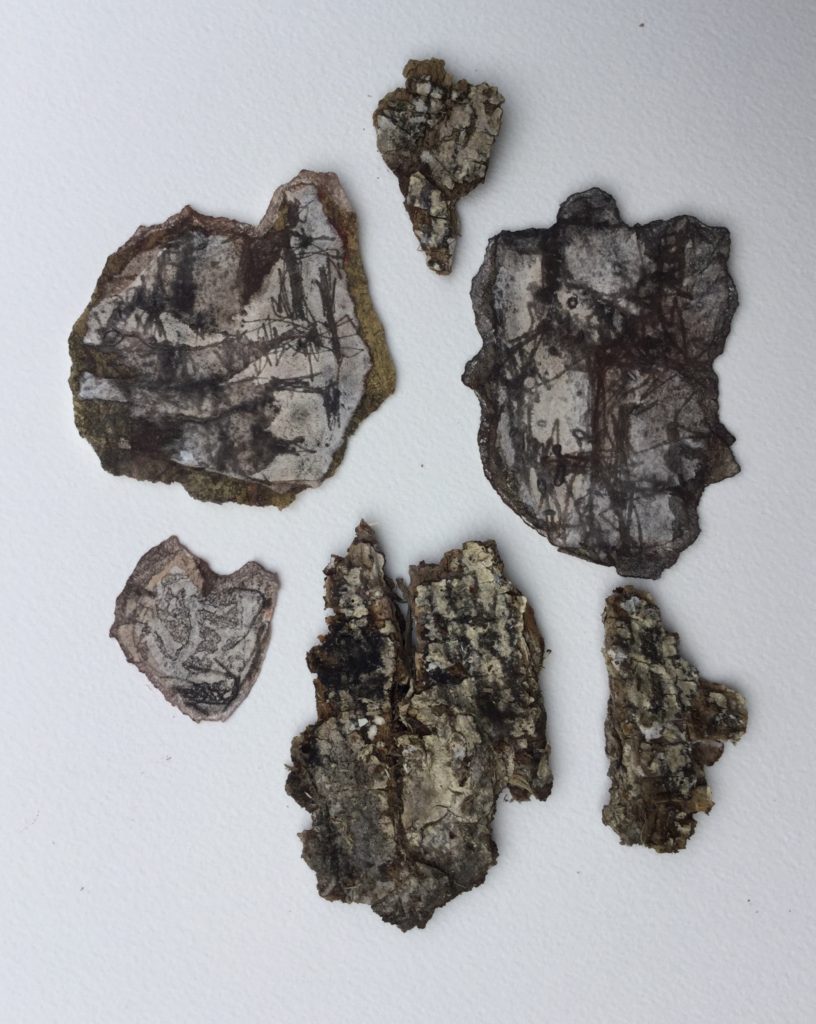
The plastic-on-wet paint technique is just step one. Here are some actual pieces of bark mixed in with a few of my texture samples:

Can you pick out the painted ones? I’ll explain the rest of the process in March, or you can see the steps demonstrated in person if you sign up for the next Mixed Media session — we meet on Thursdays, and classes start on March 12!