Category Archives: Mystery Technique

Mystery Technique

Mystery Technique #76


94580DA4-9FA8-4905-908E-C5E871A8137B


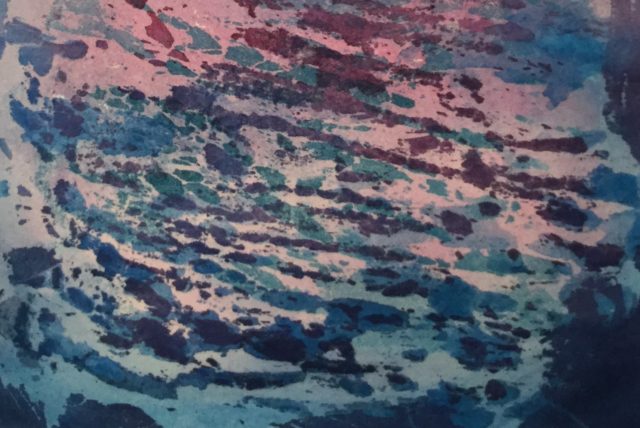
Wonder what techniques I used to create this image? You can find out next month if you’ve signed up for email updates; I’ll reveal the details in January!


ANSWER TO MYSTERY TECHNIQUE #75:

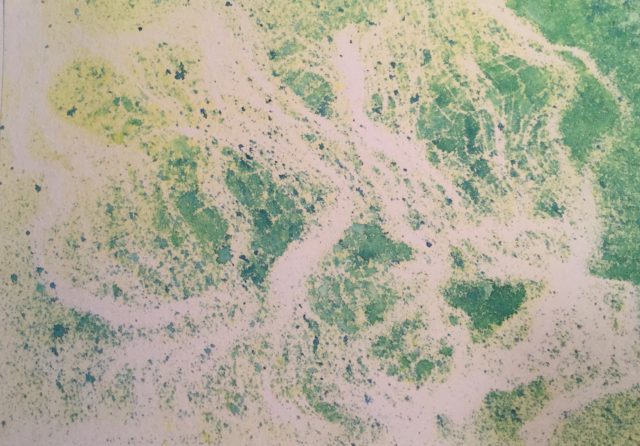
This is an experiment with cheesecloth and sprayed acrylic paint. First I pulled the fibers apart to make a more varied texture; then I wet the paper, put the cheesecloth on top, and adied blue and yellow Marabu Mixed Media Art Spray. Acrylic ink in a small spray bottle would be a good substitute. Here’s the first attempt:


A56ED62A-1D65-46DA-ABBE-3556C41BEDA8


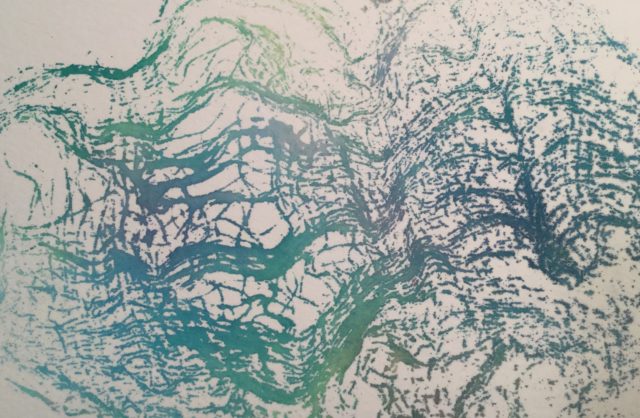
I lifted off the cheesecloth while it was still wet with paint and pressed it between 2 pieces of paper to get this transfer:


EF1E159D-5B3B-4ECE-B2F4-C859CF2726FE


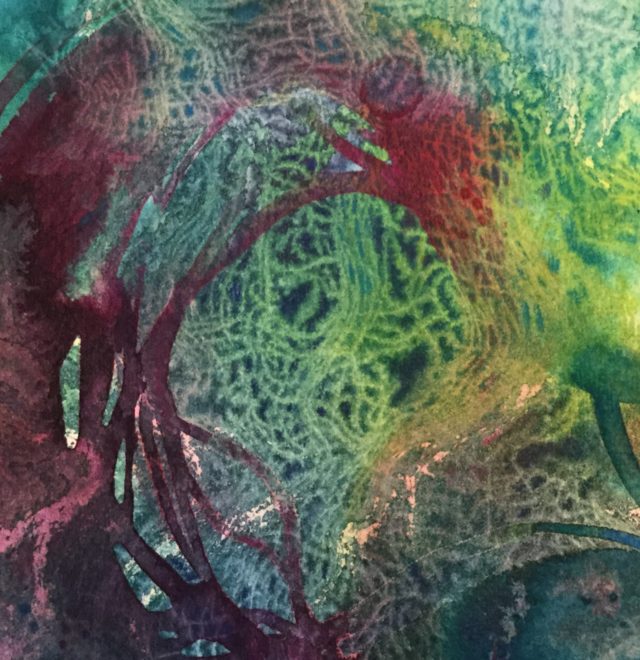
To create  a more complex image, I took a class demo that already had some dried acrylic shapes on it and rewet the paper before placing the paint-soaked cheesecloth on top. Next I sprayed more color and also dropped in a little yellow acrylic ink to create more drama. After it dried, I removed the cheesecloth and added a little more color in a few spots; here’s the result again:


106AF98E-0B52-4691-A373-A99B99F00069


This is what it the cheesecloth looked like after it dried:
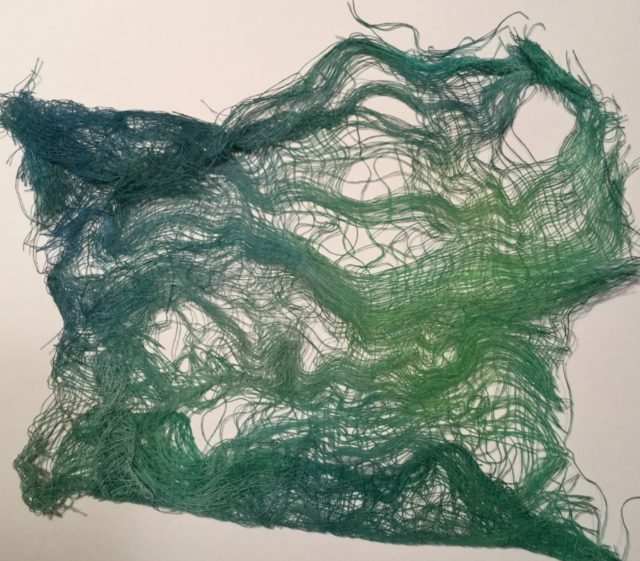


328A326E-B102-44EC-A7AB-7C549FE904D3


I first read about about this technique years ago in Maxine Masterfield’s In Harmony with Nature. Now she has a free quarterly newsletter, The Spirit of Experimental Art. She revisited this technique in the August 2018 issue. You can sign up for the newsletter here:

http://masterfield.net/


Mystery Technique

Mystery Technique #75


106AF98E-0B52-4691-A373-A99B99F00069


Wonder what techniques I used to create this image? You can find out next month if you’ve signed up for email updates; I’ll reveal the details in December!


ANSWER TO MYSTERY TECHNIQUE #74:

Erythros is an abstraction based on a closeup of maple leaves. I began with the largest shape, outlining the contours with a brush that just had water in it, then adding enough water to the inside of the shape to make the paper buckle into hills and valleys. Next I dropped diluted watercolor paint into the puddles, using a different pipette for each color. As the water slowly evaporated, it left behind a record of its interaction with buckled paper and paint. Each shape had to be painted separately to keep the edges crisp. For added contrast, I used several layers of gouache for the dark blue areas.


Mystery Technique

Mystery Technique #74


Erythros, detail


This is a detail of my painting, Erythros. Wonder what techniques I used? You can find out next month if you’ve signed up for email updates; I’ll reveal the details in November!


ANSWER TO MYSTERY TECHNIQUE #73:

Acrylic inks can create luminous colors and surprising textures when you apply them to claybord! I began each layer with a wash of water, which beaded up in places on the surface of the claybord. When I dropped in diluted acrylic ink, it flowed to the edges of the irregular wet shapes. I let each layer dry before repeating the process. Even though it took many thin glazes to build up the colors and textures, the inks kept their transparency, giving the colors a glow that’s hard to achieve on paper or canvas. You can see one of my smaller claybord pieces in person at the Green Hills Library Branch; it’ll be on the bottom shelf of one of the cases until October 30.