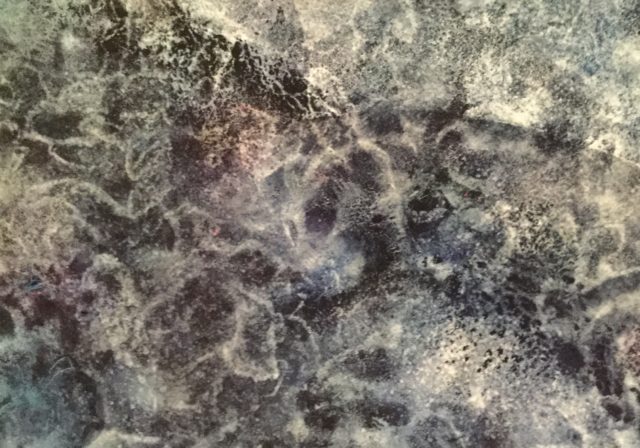
Wonder which techniques I used to paint this? You can find out next month if you’ve signed up for email updates; I’ll reveal the details in March!
ANSWER TO MYSTERY TECHNIQUE #77:
Wonder which techniques I used to paint this? You can find out next month if you’ve signed up for email updates; I’ll reveal the details in March!
ANSWER TO MYSTERY TECHNIQUE #77:
I have a new favorite sketchbook, and I’m using it to record things I find on my walks! Wonder which kind and what techniques I used to paint this oak leaf? You can find out next month if you’ve signed up for email updates; I’ll reveal the details in February!
ANSWER TO MYSTERY TECHNIQUE #76:
This is a fun experiment to try with masking fluid. You’ll also need a rubber cement pickup. Put a layer of masking fluid on dry watercolor paper. If you do an underpainting first like I did, make it a little stronger in case some of the paint sticks to the masking. I used a cotton swab and a piece of plastic to quickly spread the masking fluid over the area. After it dried, I dragged a corner of the rubber cement pickup over the surface to pull up the masking in diagonal streaks; then I added a blue-gray layer of watercolor paint. When the paint dried, I removed the rest of the masking, and this is what it looked like:
To make a more complex texture, I repeated the entire process. Here’s what it looked like before I finished removing the rest of the second masking fluid layer:
And here’s the final image again with all the masking removed:
Wonder what techniques I used to create this image? You can find out next month if you’ve signed up for email updates; I’ll reveal the details in January!
ANSWER TO MYSTERY TECHNIQUE #75:
This is an experiment with cheesecloth and sprayed acrylic paint. First I pulled the fibers apart to make a more varied texture; then I wet the paper, put the cheesecloth on top, and adied blue and yellow Marabu Mixed Media Art Spray. Acrylic ink in a small spray bottle would be a good substitute. Here’s the first attempt:
I lifted off the cheesecloth while it was still wet with paint and pressed it between 2 pieces of paper to get this transfer:
To create a more complex image, I took a class demo that already had some dried acrylic shapes on it and rewet the paper before placing the paint-soaked cheesecloth on top. Next I sprayed more color and also dropped in a little yellow acrylic ink to create more drama. After it dried, I removed the cheesecloth and added a little more color in a few spots; here’s the result again:
This is what it the cheesecloth looked like after it dried:
I first read about about this technique years ago in Maxine Masterfield’s In Harmony with Nature. Now she has a free quarterly newsletter, The Spirit of Experimental Art. She revisited this technique in the August 2018 issue. You can sign up for the newsletter here: