Category Archives: Mystery Technique

Mystery Technique

Mystery Technique #73

27CCE88B-5BFC-4CB2-AF81-32FC8C4C33FE


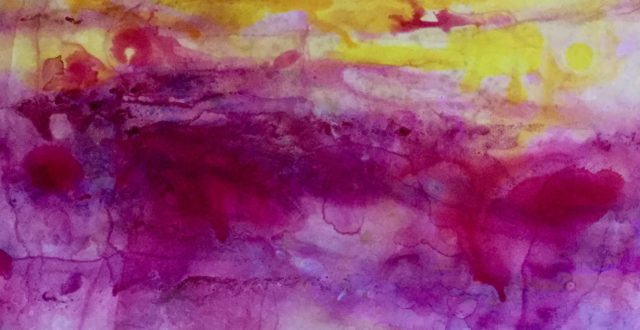
Wonder how this was done? You can find out next month if you’ve signed up for email updates; I’ll reveal the details in October!


ANSWER TO MYSTERY TECHNIQUE #72:

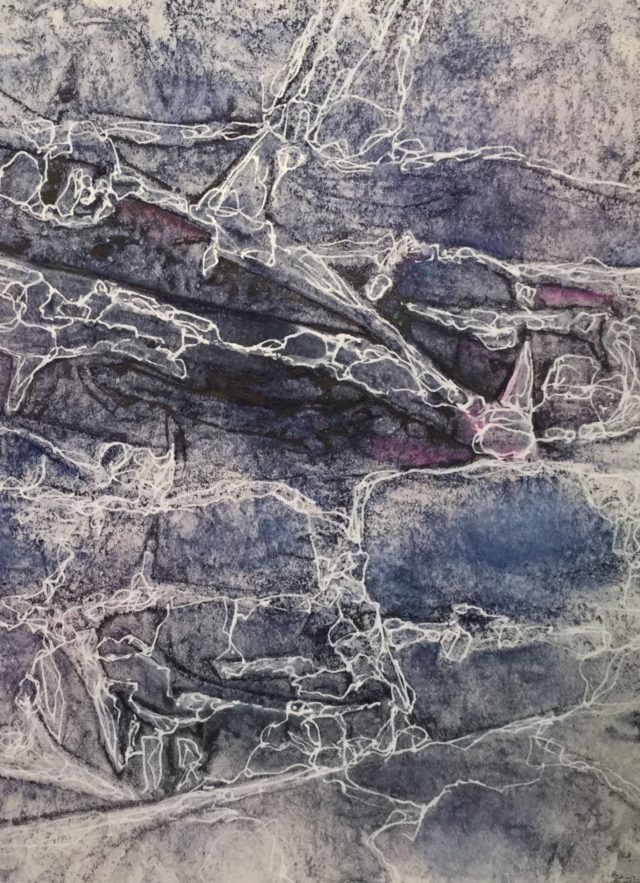
This is a combination of several techniques, including a new tool. I began by wetting hot press watercolor paper and blending diluted Hydrus ultramarine and a mixed blue-gray directly on the wet paper, then pressing wrinkled plastic into the wet paint to create texture. After the paint dried, I removed the plastic, revealing a subtle linear kind of texture. I used watercolor pencils to add hints of other colors and to emphasize some of the lines, blending the additions into the first layer with a wet brush. I also strengthened some of the lines with Micron black pens and created an alternate network of white lines with a uni-ball Signo white pen. Thanks to Jennifer Cunningham for introducing me to this fun tool!


Mystery Technique

Mystery Technique #72


318C0E17-1250-44D6-AEB2-33F01FF8CB3F


This is a combination of multiple techniques; wonder how it was done? You can find out next month if you’ve signed up for email updates; I’ll reveal details in September!


ANSWER TO MYSTERY TECHNIQUE #71:

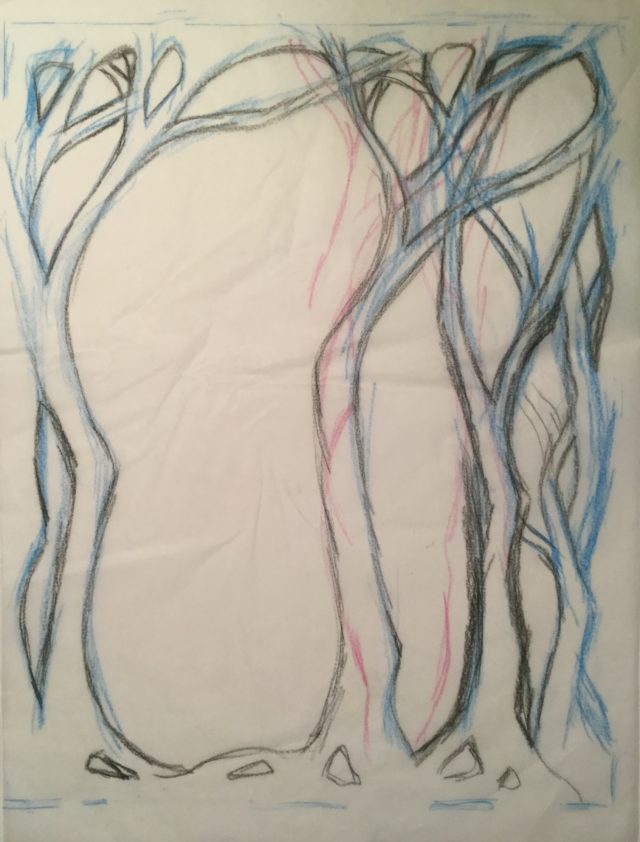
Drawing is a way of thinking for me, and Prismacolor Art Stix are my favorite tools for working out ideas — they glide so easily over the tracing paper! I typically begin with a rough version in a single color, then make adjustments in contrasting ones until I get something that seems to work. You can see the process in this early sketch for one of the panels for Keeping Secrets:


398FF08E-ADBB-48F5-947E-DBAE5F0668E6


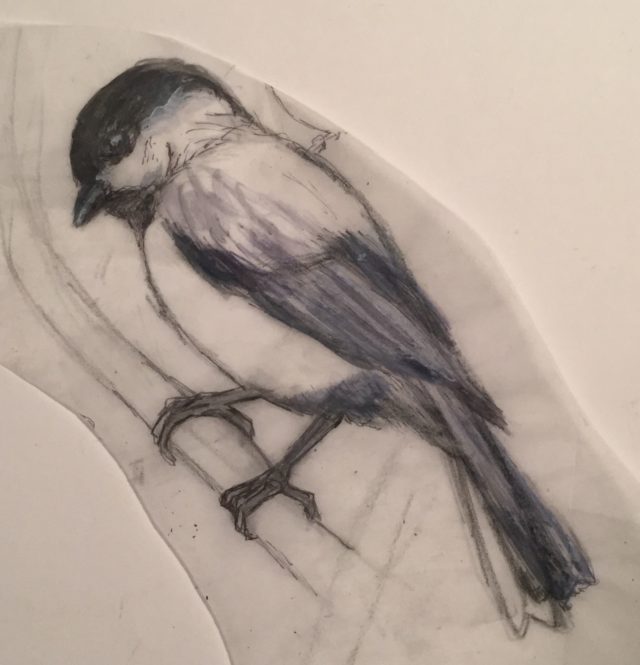
Sometimes I’ll make adjustments in white gouache and/or ink, as in this chickadee sketch for Tales of the Understory, Part III:


C82CDA3C-6244-4416-8EBB-24CD0B78FFD9


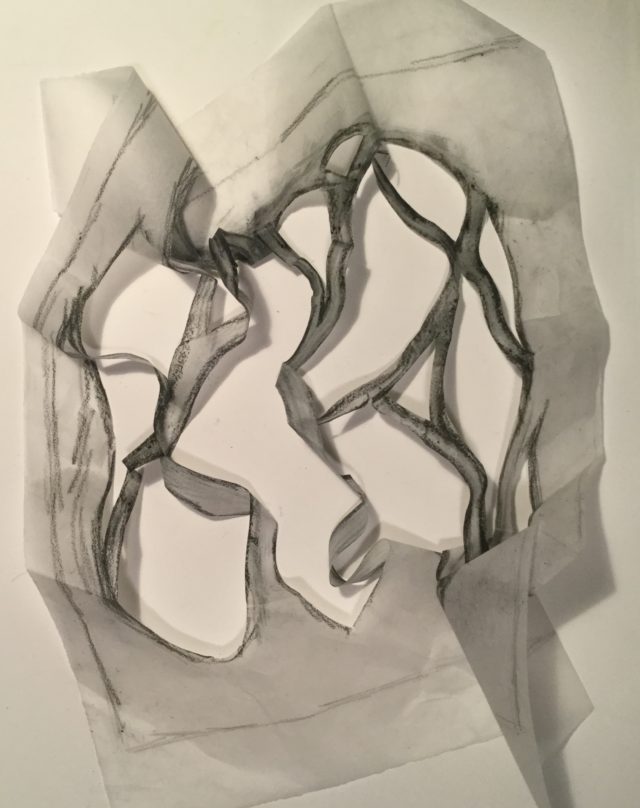
After this stage, I’m ready to start cutting out the design with a craft knife. I use blue tape to temporarily adhere the tracing paper to the watercolor paper and cut through both layers at once. The tracing paper drawing often looks like this when I’m done:


00F86458-1D66-4BB3-B8D1-15DF19E6F6F6


Mystery Technique

Mystery Technique #71


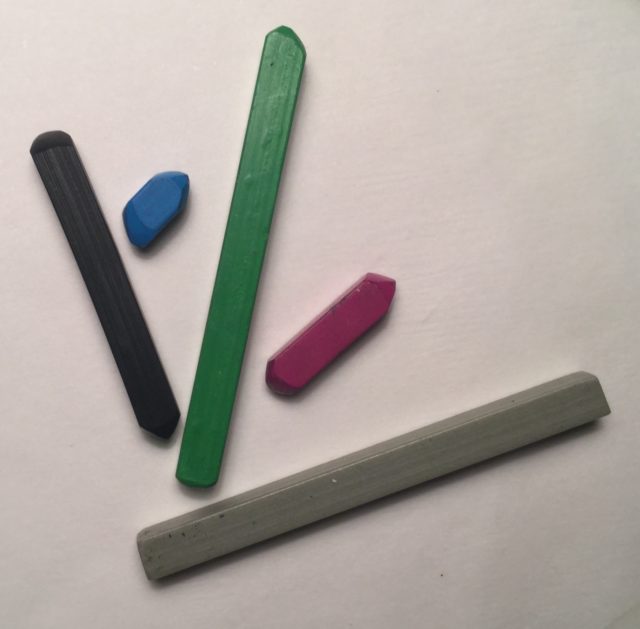
Wonder how my watercolor sculptures begin? First I do a lot of drawing on tracing paper to plan out each layer. Here are my favorite tools for loose sketches:


1730ECFB-B19C-4F3B-92AD-CC0DBBB496A8


Do you recognize them? Hint — they’re not pastels. Find out more about my process next month!


ANSWER TO MYSTERY TECHNIQUE #70:

Here’s a list of all the revisions that give Keeping Secrets such a different look:

  1. Most of the foliage layer is now gone; it’s also in a new position in-between the 2 layers of tree trunks.
  2. I added some darker oranges to the background layer.
  3. I used glazes to darken the 2 ground layers.
  4. To create a softer, more dappled light effect, I lightened parts of the tree trunks and branches.
  5. I also lightened the rock and changed the texture.