Category Archives: Mystery Technique

Mystery Technique

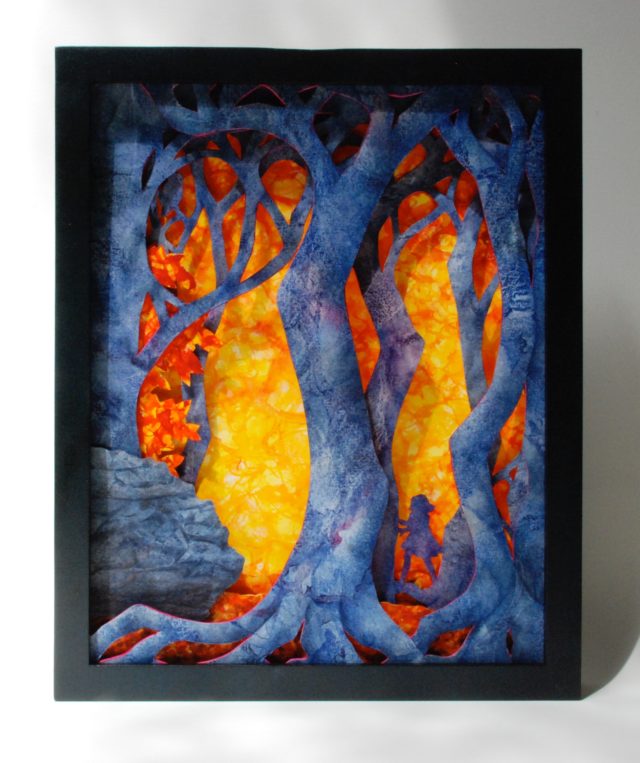
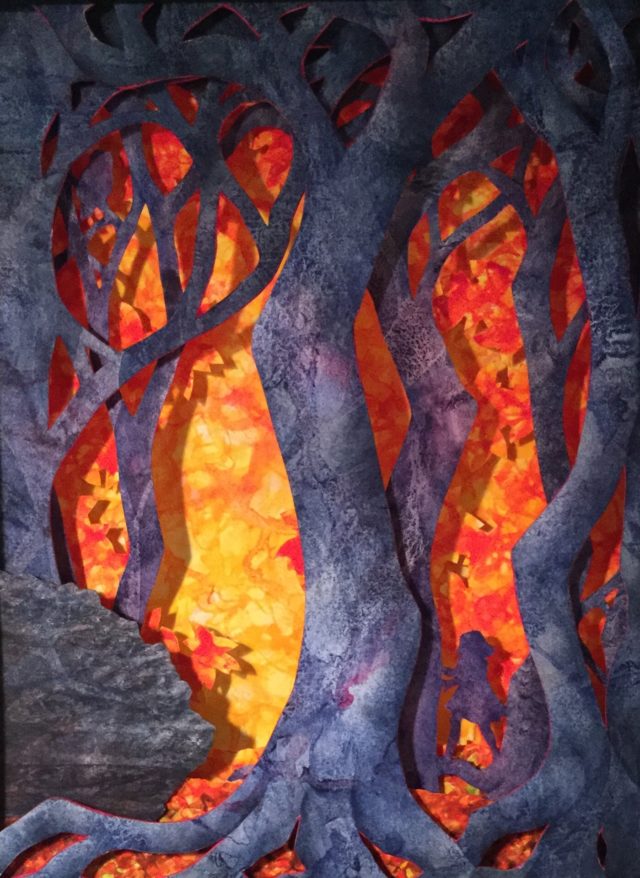
Mystery Technique #66

7733965D-D1EA-47F7-8436-9DDE2EAC3414


Curious to know how this was done? You can find out about the special techniques I used if you’ve signed up for email updates; I’ll reveal the details next month!


ANSWER TO MYSTERY TECHNIQUE #65:

Last month’s Mystery Technique demonstrates the varied strokes you can make with Liner brushes. Here’s my collection, with the Universal Liners on the right:


31F82AAA-B306-4899-88A5-6F51986BA730


First I partially wet the paper with a spray bottle and applied yellow with a Universal Liner; next I repeated the process with yellow-orange and red-orange. The final layer is a wet-in-wet mix of several different browns and red.


4005AD08-7596-48E3-89ED-E48D0B918933


It’s hard to believe that these 2 Isabey brushes started out the same shape. The one on the right is a replacement for the other one; 20 years of use can really wear down the tip!


Mystery Technique

Mystery Technique #65

B34A6AB3-40BB-4FE9-A73B-8366478B96B9


Want to know what special tools I used to paint this? You can find out next month if you’ve signed up for email updates!


ANSWER TO MYSTERY TECHNIQUE #64:

Here’s my Japanese paperweight in action!

14270E30-ECA7-459A-8BBA-564BB2D9F9F4


Although these are typically used to keep lightweight papers from shifting during delicate brushwork, mine help me manipulate how the paper buckles. I like to work with lots of water on unstretched paper, which makes the paper form hills and valleys that evaporate at different rates. The patterns preserved in the paint remind me of the traces water leaves behind in the landscape.

Mystery Technique

Mystery Technique #64

6914D3BC-8B12-409F-BA14-8FEE6943FAB9


I bought this handy tool years ago; want to know what is and how it helps me paint? You can find out next month if you’ve signed up for email updates!


ANSWER TO MYSTERY TECHNIQUE #63:

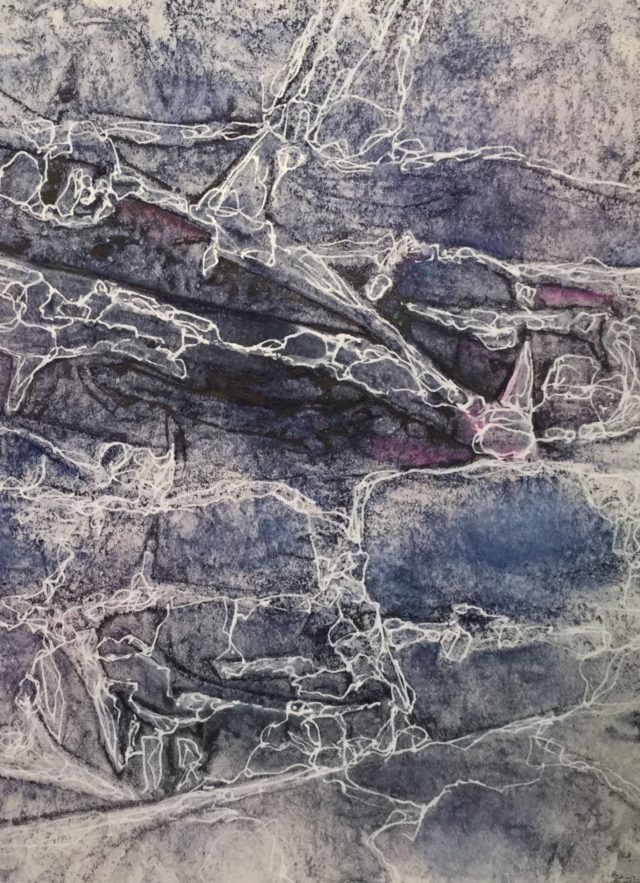
Both #62 and #63 use white fluid acrylic paint and part of a thin plastic bag to create texture. Last time, I put the white layer down first; this time, I started with a wet-in-wet layer of blue-gray with a little magenta. After it dried, I got the paper wet again and applied the diluted white on top of the dark layer. I then pressed part of a thin plastic bag onto the wet paint and manipulated the wrinkles in the plastic to vary the shapes. After the paint dried, I peeled off the plastic.