Category Archives: Mystery Technique

Mystery Technique

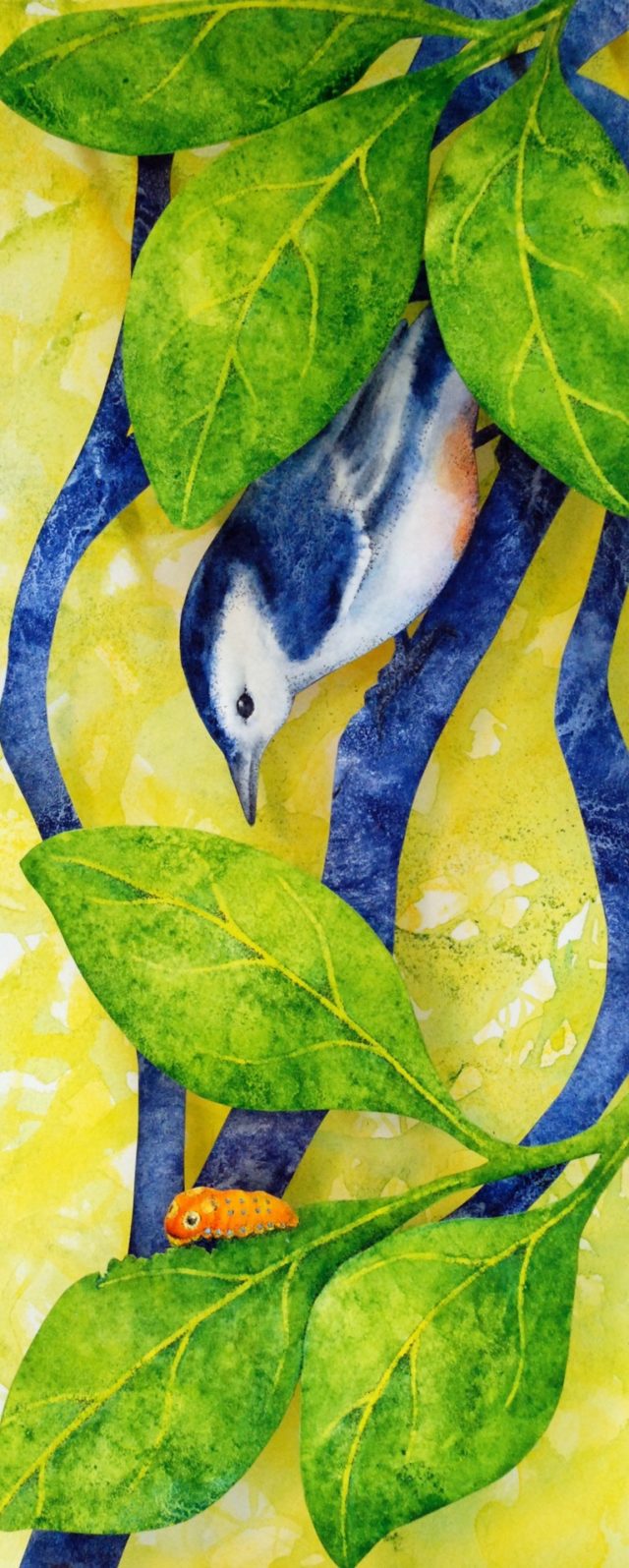
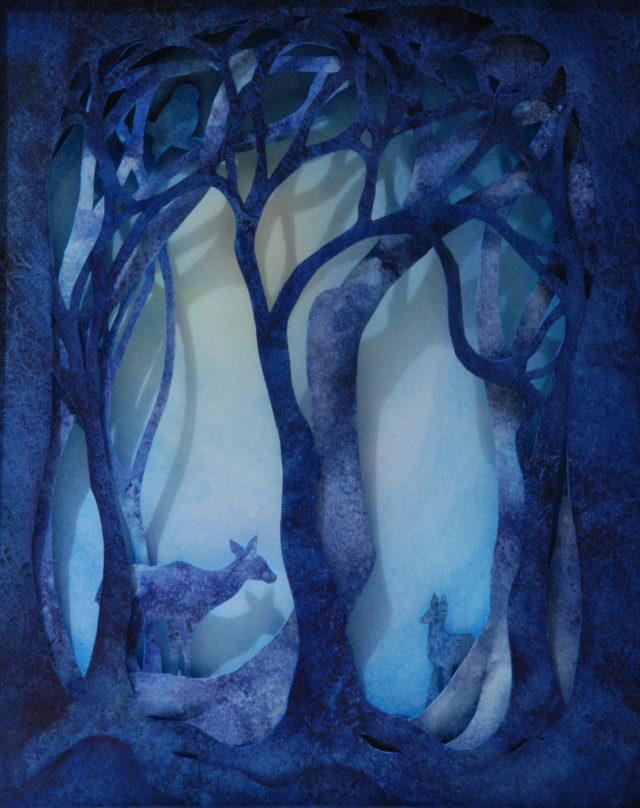
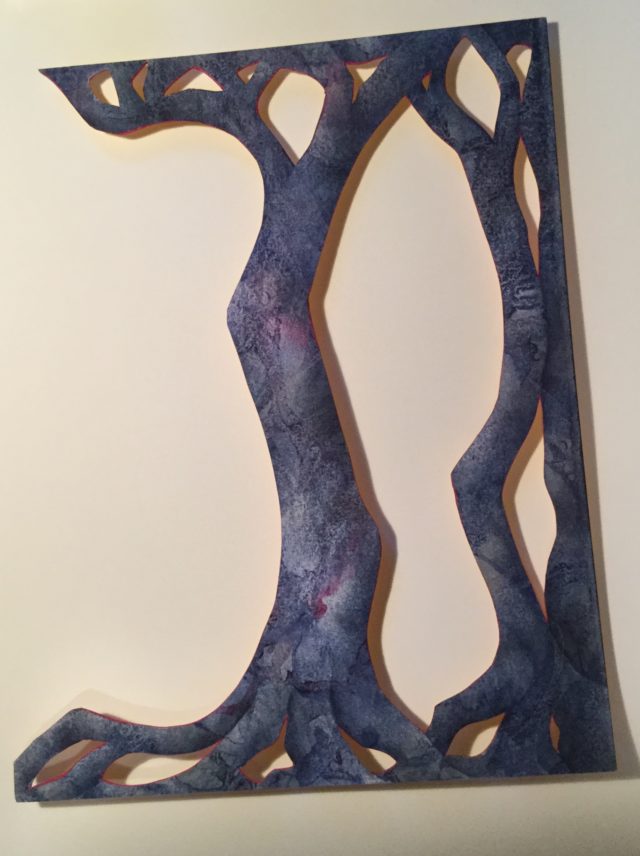
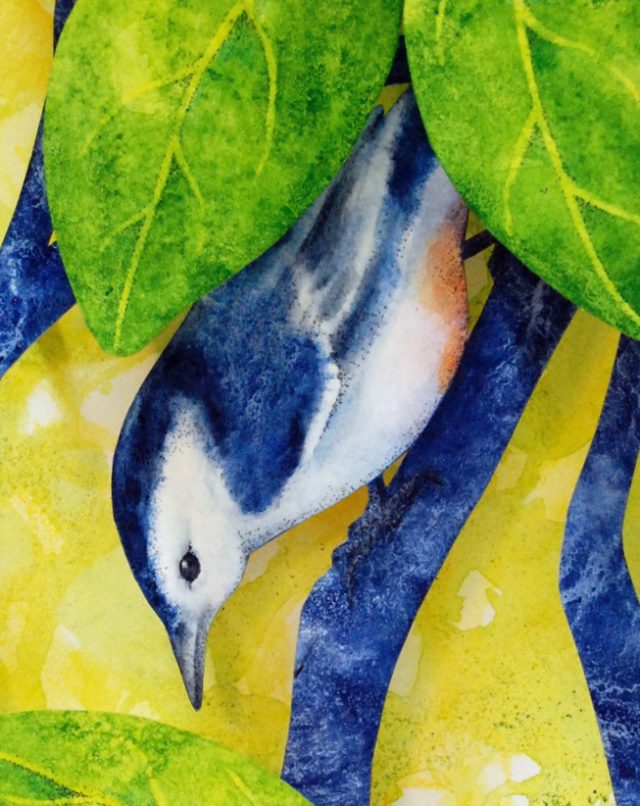
Mystery Technique #63

IMG_1637


What’s the connection between this month’s technique and Mystery Technique #62? You can find out next month if you’ve signed up for email updates!


ANSWER TO MYSTERY TECHNIQUE #62:

 
I started by applying white fluid acrylic paint to wet watercolor paper. Next I pressed part of a thin plastic bag onto the wet surface, manipulating the wrinkles in the plastic to make varied shapes. After the paint dried, I peeled off the plastic and glazed it with thin wet-in-wet watercolor washes. While the watercolor soaked into the white paper, it only stained the top of the white acrylic shapes, making it easy to lift and manipulate with a wet brush.

Mystery Technique

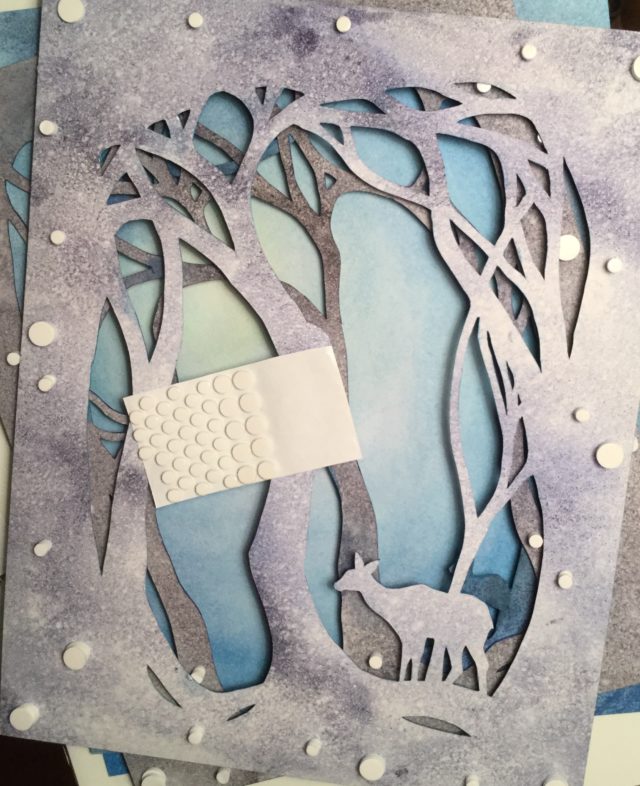
Mystery Technique #62

IMG_1615


Curious to know how this was done? You can find out about the special techniques I used if you’ve signed up for email updates; I’ll reveal the details next month!


ANSWER TO MYSTERY TECHNIQUE #61:


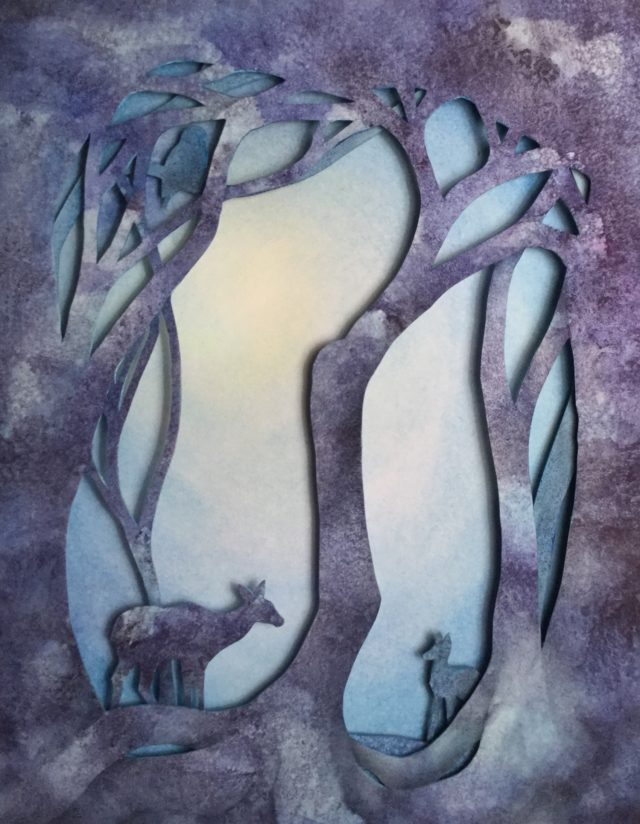
These are 4 different views of a volvelle demo I made for a workshop I taught last month. A volvelle allows you to add a surprise twist to your story by slowly dissolving one picture into another, and it’s all made out of paper! Interested in making your own? Helen Hiebert’s Playing with Pop-Ups has templates and excellent directions. You can find animated versions of 2 volvelles from a wonderful pop-up book about Leonardo da Vinci here:

https://www.brainpickings.org/2014/06/18/leonardo-da-vinci-provensen-pop-up-book/ read more »

Mystery Technique

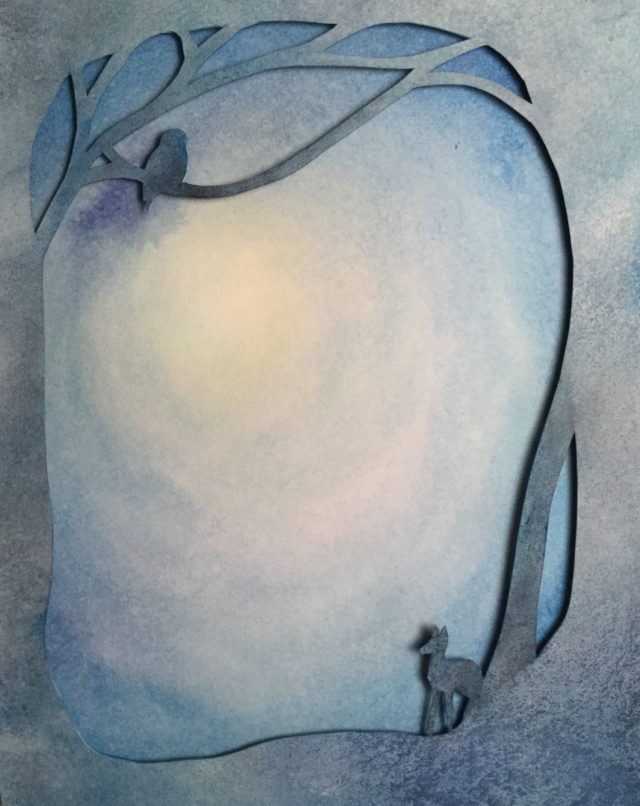
Mystery Technique #61


IMG_1536


IMG_1549


IMG_1554


IMG_1557


Curious about these images? Watch for the explanation next month!


ANSWER TO MYSTERY TECHNIQUE #60:

This is part of an experiment in various ways to “save” a circle before painting over it. I began by cutting a few circles out of clear contact paper, sticking them on hot press watercolor paper, and then rubbing them with my burnishing tool to keep paint from seeping under the edges. I painted the other circles with either a thin layer of permanent masking fluid, white acrylic ink, or yellow acrylic. After these dried, I got the paper wet and painted it with blue and green watercolor. I alternated layers of blues and greens with ribbon-like shapes of diluted yellow and white; removing the contact paper halfway through the process varied the depth of the circles. I used some of Daniel Smith’s PRIMATEK Green and Blue Apatite in the final layers for some texture and added shading to some of the circles for a little more dimension.