Category Archives: Mystery Technique

Mystery Technique

Mystery Technique #61


IMG_1536


IMG_1549


IMG_1554


IMG_1557


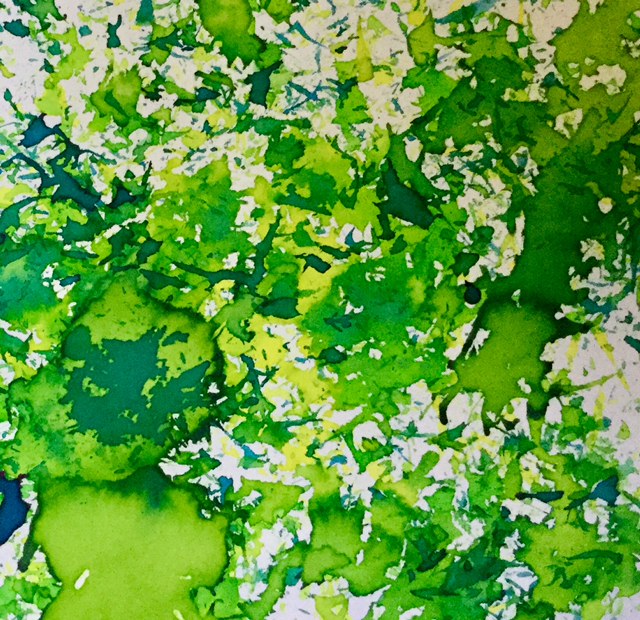
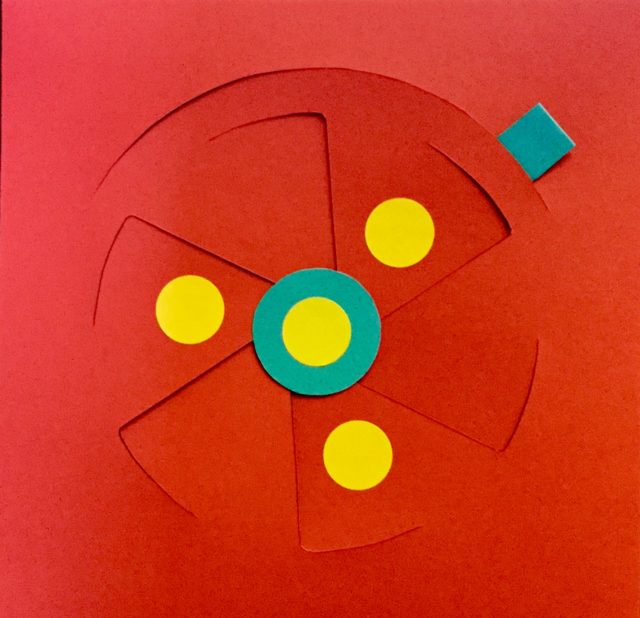
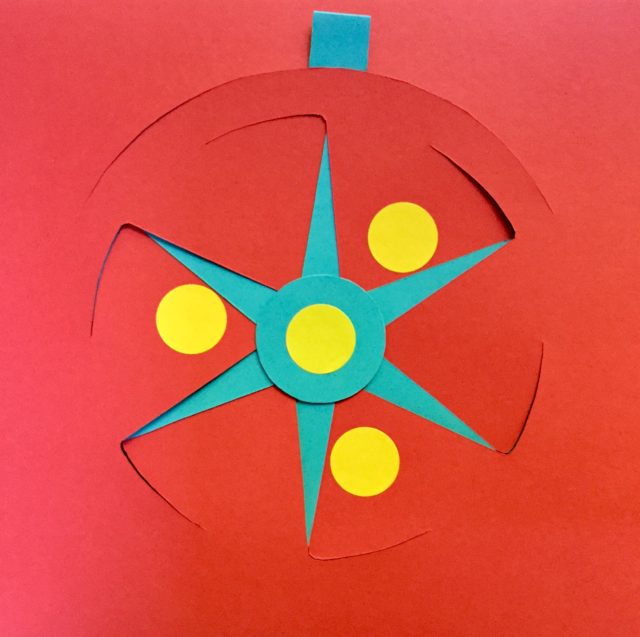
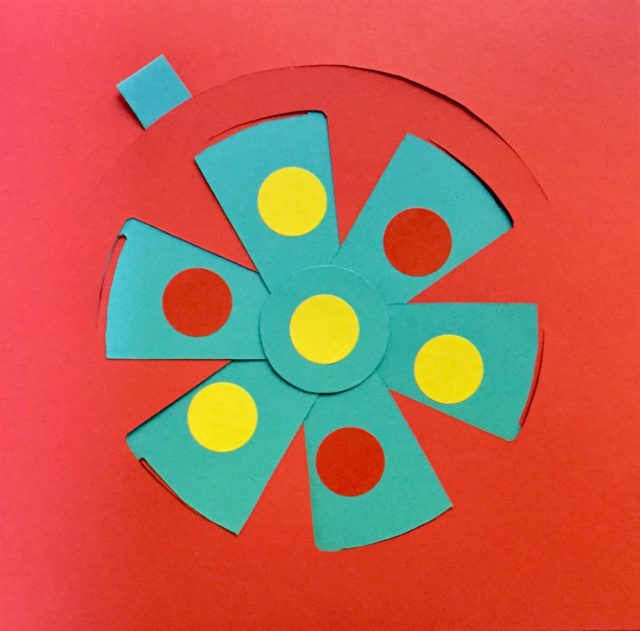
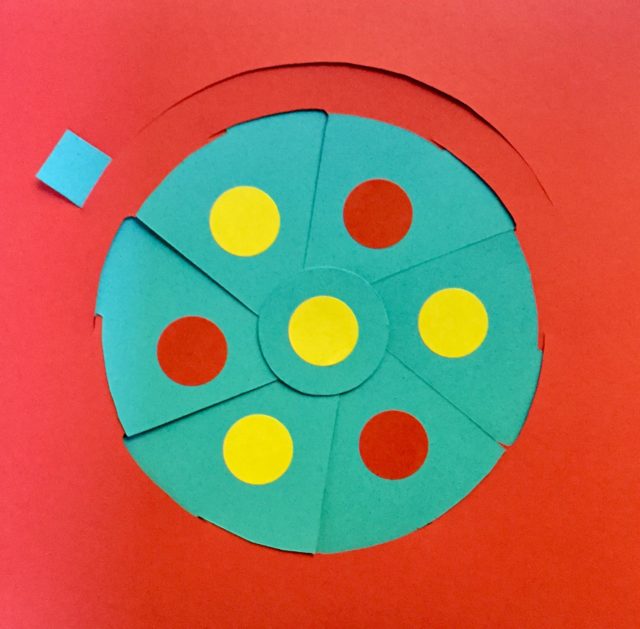
Curious about these images? Watch for the explanation next month!


ANSWER TO MYSTERY TECHNIQUE #60:

This is part of an experiment in various ways to “save” a circle before painting over it. I began by cutting a few circles out of clear contact paper, sticking them on hot press watercolor paper, and then rubbing them with my burnishing tool to keep paint from seeping under the edges. I painted the other circles with either a thin layer of permanent masking fluid, white acrylic ink, or yellow acrylic. After these dried, I got the paper wet and painted it with blue and green watercolor. I alternated layers of blues and greens with ribbon-like shapes of diluted yellow and white; removing the contact paper halfway through the process varied the depth of the circles. I used some of Daniel Smith’s PRIMATEK Green and Blue Apatite in the final layers for some texture and added shading to some of the circles for a little more dimension.


Mystery Technique

Mystery Technique #60

Mystery Technique


Curious to know how this was done? You can find out about the special techniques I used if you’ve signed up for email updates; I’ll reveal the details next month!


ANSWER TO MYSTERY TECHNIQUE #59:


MT#59


This is a sample nature journal I did as part of the preparations for the Art & Nature events at the Bellevue and Richland Park Library Branches. The yew clippings made a great paintbrush to paint the cover! Although I tried various other plants, the yew is my favorite; there’s a lot of expressive energy in the marks. Because these events were geared to families, I used Sargent Art Watercolor Magic washable liquid watercolors for the paint.


Mystery Technique

Mystery Technique #59

image1


I have a new favorite tool, and this is my first experiment with it; want to know what it is? Watch for the surprising answer in June!


ANSWER TO MYSTERY TECHNIQUE #58:

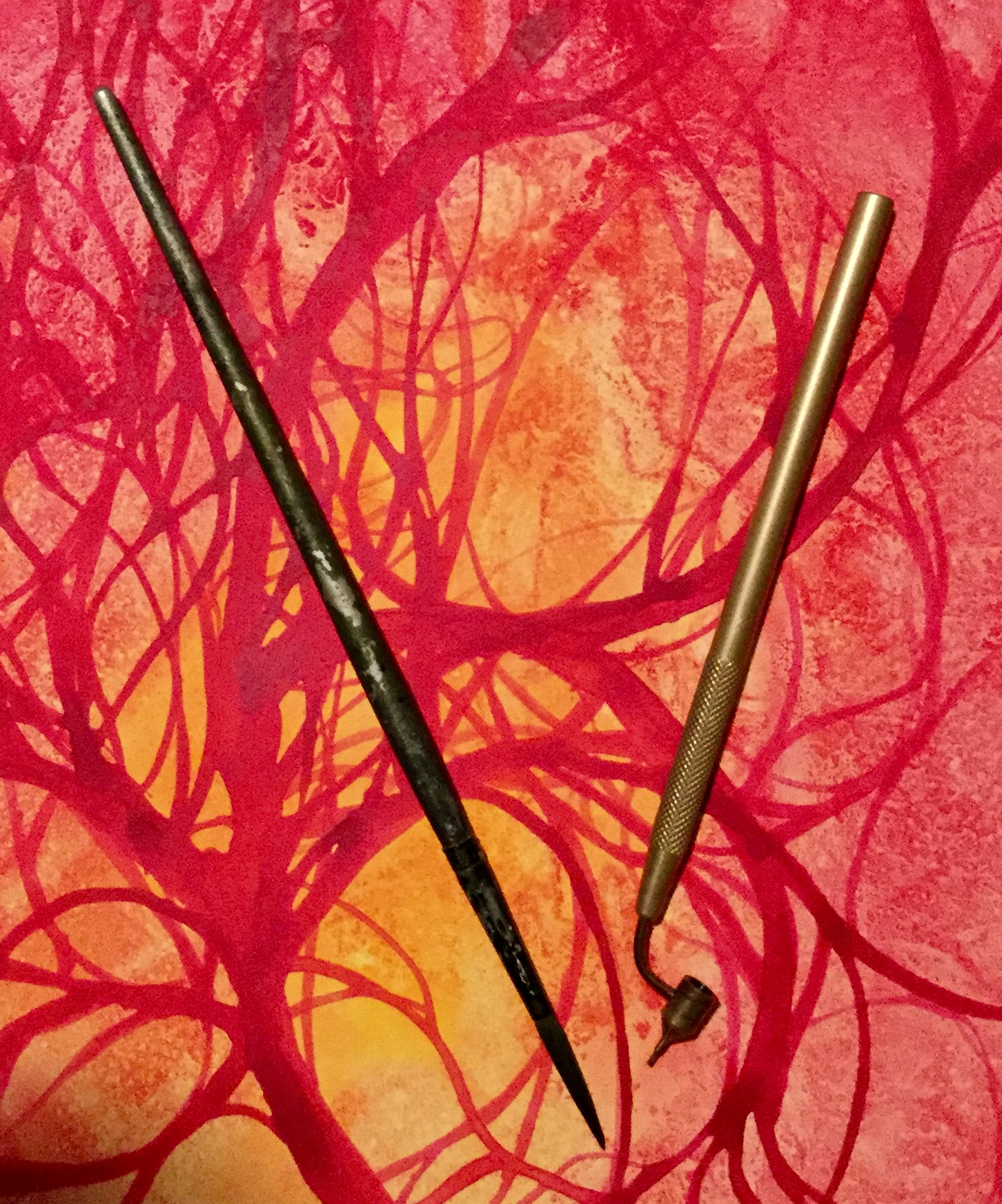
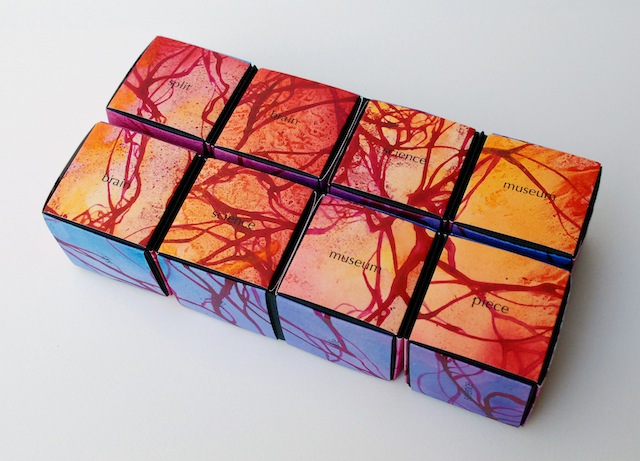
This is part of a painting test I did for a flexicube called Six Sides of Science. The patterns of lines on each side were inspired by the veins and arteries in old medical diagrams, and 2 of my line-making tools are pictured below: my favorite liner brush (brand unknown) and a Fluid Writer (by Kemper). I used diluted layers of acrylic inks and Hydrus liquid watercolors with Granulation Medium for the background colors; then I drew some of the lines with water only before adding diluted acrylic for the veins.


IMG_1382


Here are 2 views of the completed flexicube, which won a Purchase Award several years ago.


Six Sides of Science, 4 x 8.5 x 2 in, watermedia, ©2012 Elizabeth Sanford


Six Sides of Science, 4 x 8.5 x 2 in, watermedia, ©2012 Elizabeth Sanford