Category Archives: Mystery Technique

Mystery Technique

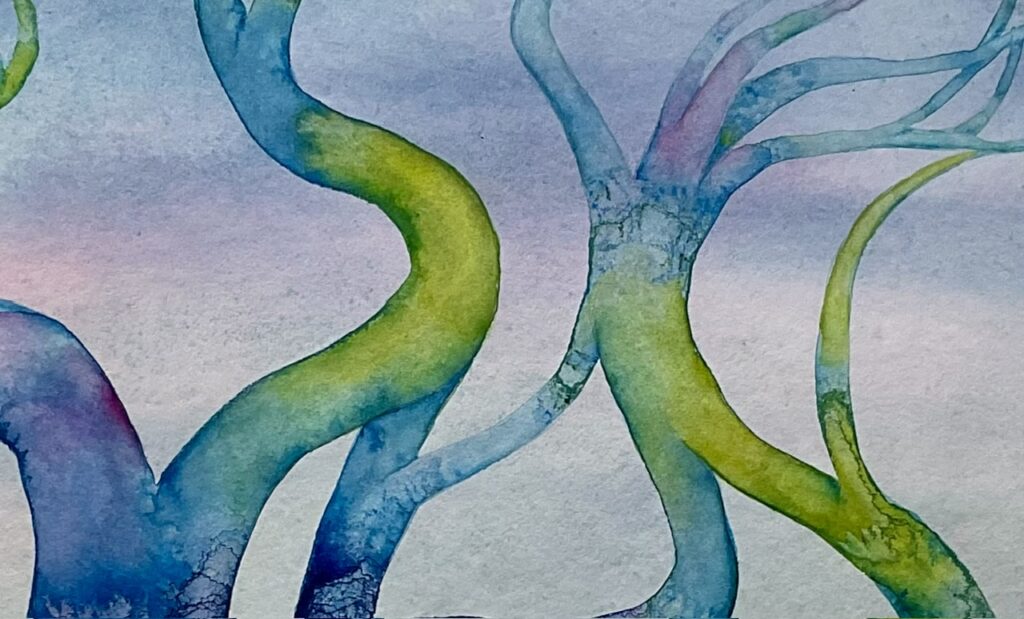
Mystery Technique #123

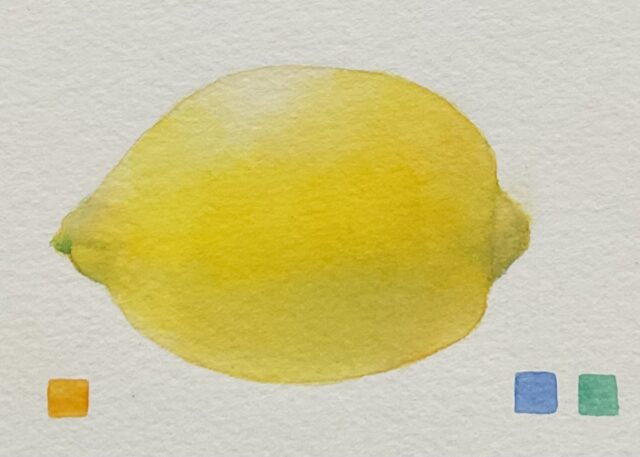
Curious about the techniques used here? You can learn more next month if you’ve signed up for email updates!

ANSWER TO MYSTERY TECHNIQUE #122:

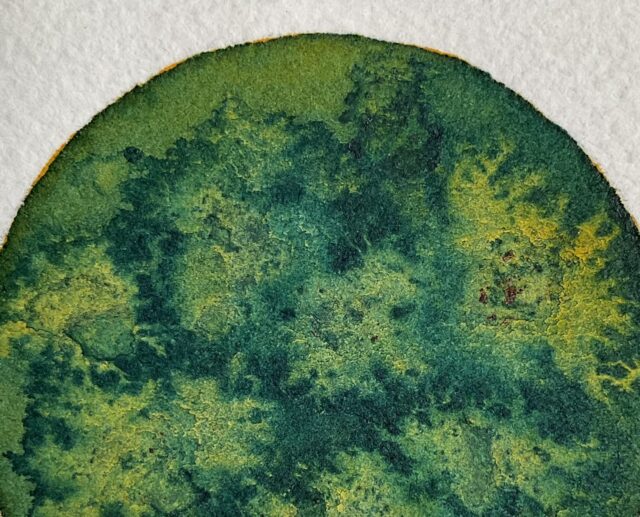
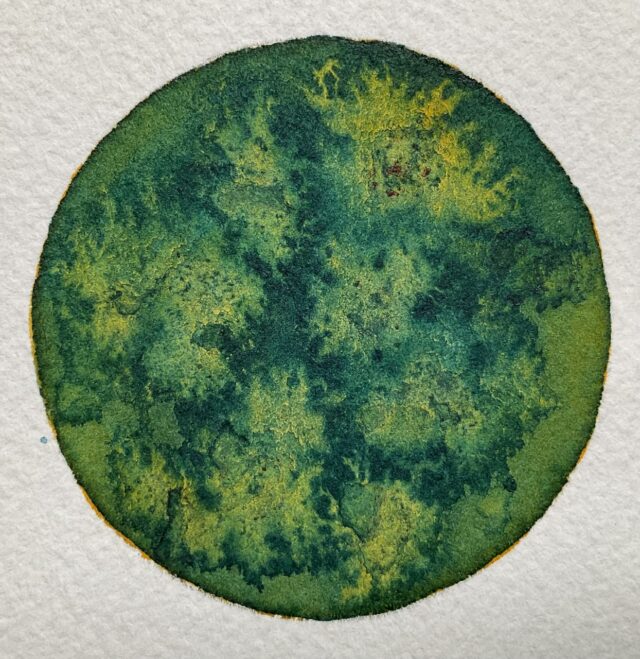
Glazing, gloss medium, plastic, and pipettes are combined for this Mystery Technique! First I used a brush to spatter the paper with acrylic gloss medium and let it dry. When I painted over the spatters with watercolor, they resisted the wet paint and created the sensation of light circular shapes floating in the color. Next I covered the wet paint with a piece of thin plastic, which stuck in places to form darker shapes. Working quickly, I manipulated the shapes with a palette knife and brush handle. After this layer dried, I removed the plastic, then repeated the process with a darker blue-green at the bottom. I used pipettes for the last layer to create an irregular network of linear shapes, drawing them with water before adding diluted blue-green and tilting the paper to encourage the paint to follow the water.

Mystery Technique

Mystery Technique #122

Curious about the techniques used here? You can learn more next month if you’ve signed up for email updates!

ANSWER TO MYSTERY TECHNIQUE #121:

The secret ingredient for this mystery technique is a white Posca pen! I started by painting layers of irregular linear shapes with diluted acrylic ink, using the dropper inside the bottle instead of a brush. After building up layered networks of lines, I scribbled on top of the dried paint with a white Posca pen. When the white lines were completely dry, I glazed over them in several places with blue-gray watercolor paint to create more depth.

Mystery Technique

Mystery Technique #121

Curious about the techniques used here? You can learn more next month if you’ve signed up for email updates!

ANSWER TO MYSTERY TECHNIQUE #120:

Every fall, I use the pages of an ancient phone book to flatten the fallen leaves that I collect on my walks. Since most of the colors quickly fade, I also look for interesting shapes:

Some of these leaves have inspired parts of paintings or sculptures; I’ve shared others with my students.

It’s a satisfying experience to get to know the contours of a particular leaf by tracing around it. For this demo, I wanted the outline to fade into the paint, so I drew it with watercolor pencils. Next I painted the leaf shape with water, then added some yellow and red. While the colors were still wet, I added a little green before scratching in dark veins with the end of a metal paint tube. I also sprinkled some kosher salt into the wet paint and added one small drop of rubbing alcohol for the bug hole. I waited until the paint was completely dry before brushing off the salt. To create the lighter and slightly thicker veins, I used a watercolor pencil to echo the angle and direction of some of the existing dark lines, leaving a slight gap.