Category Archives: Mystery Technique

Mystery Technique

Mystery Technique #105

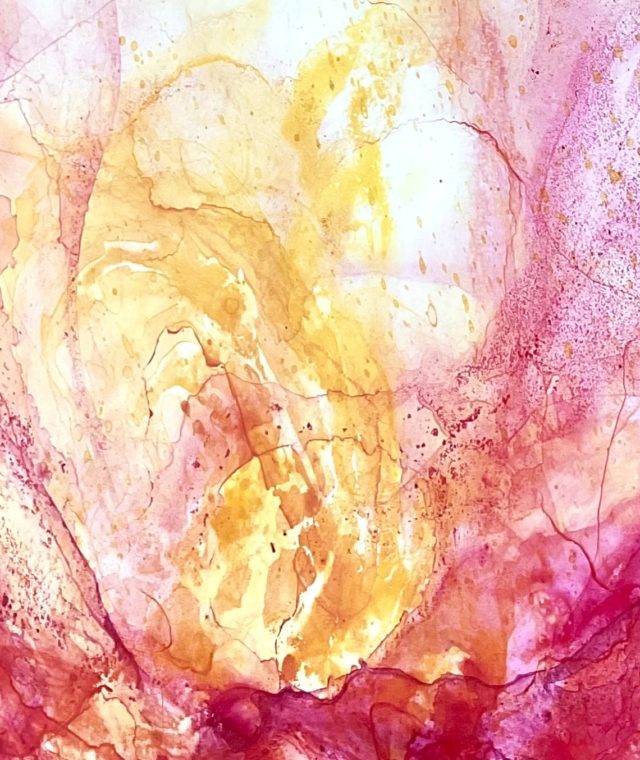
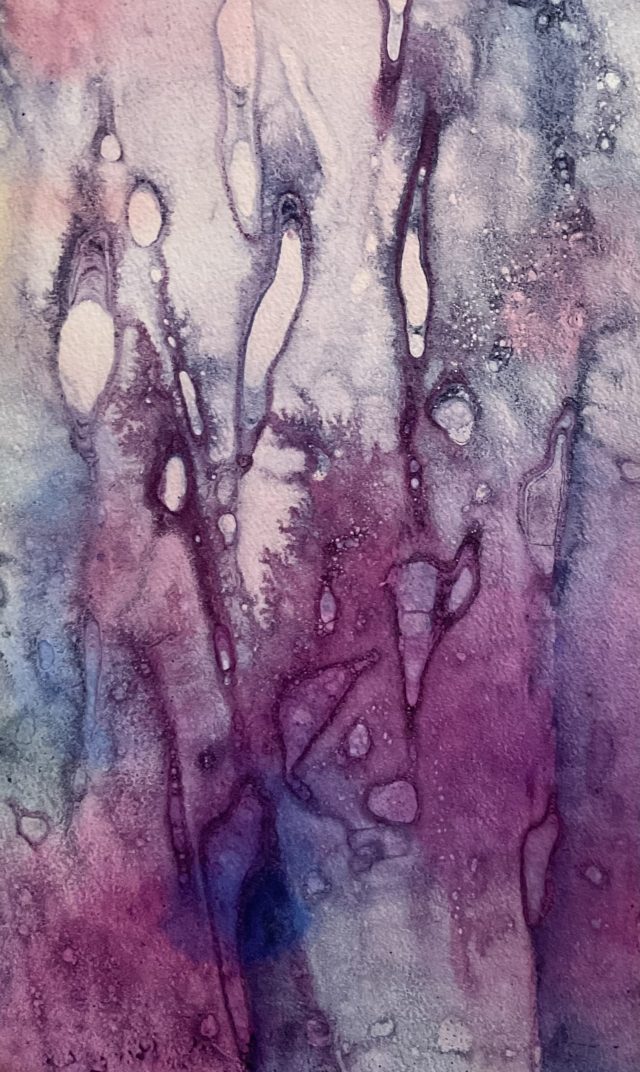
Painting these roots was fun! Next month you can find out what special techniques I used if you’ve signed up for email updates!

ANSWER TO MYSTERY TECHNIQUE #104:

Consistent measurements are so important when you’re making the hinges for a tunnel book, and this mini spring divider makes it easy to be precise! Once you set the distance between the 2 points, you can repeat it over and over again. I started by drawing a template for the hinges, using a scrap of blue card stock for visibility. After carefully lining it up on top of the selected fold, I used the points on the divider to punch through both layers of paper at once, making small holes. After removing the template, the holes served as a guide for my craft knife to cut 2 sides of a triangle for each hinge. When you look inside the tunnel, you can’t see the hinges; so the inner panels appear to float with no support. You need to reverse the template to make the hinges for the left side, as you can see below:

Mystery Technique

Mystery Technique #104

Recognize this tool? You can learn how I use it next month if you’ve signed up for email updates!

ANSWER TO MYSTERY TECHNIQUE #103:

It took lots of layers to create the feeling of leaves on the forest floor! I used the liner brushes to make networks of crisscrossing linear strokes. The first layer was a mix of yellow and yellow green; next came golds and oranges. Since I got carried away adding the various browns, I mixed a little white gouache with yellow and yellow green to add a few lighter leaves into an area that got too dark.

Mystery Technique

Mystery Technique #103

Here’s another closeup of my Web of Interbeing. Curious about the techniques used here? You can learn more next month if you’ve signed up for email updates!

ANSWER TO MYSTERY TECHNIQUE #102:

The wrinkled plastic technique works so well as a first layer for textures! You can see that here:

I used the ends of these styrofoam pieces as stamping tools to vary the texture and add depth:

Here’s the final result again: