Category Archives: Mystery Technique

Mystery Technique

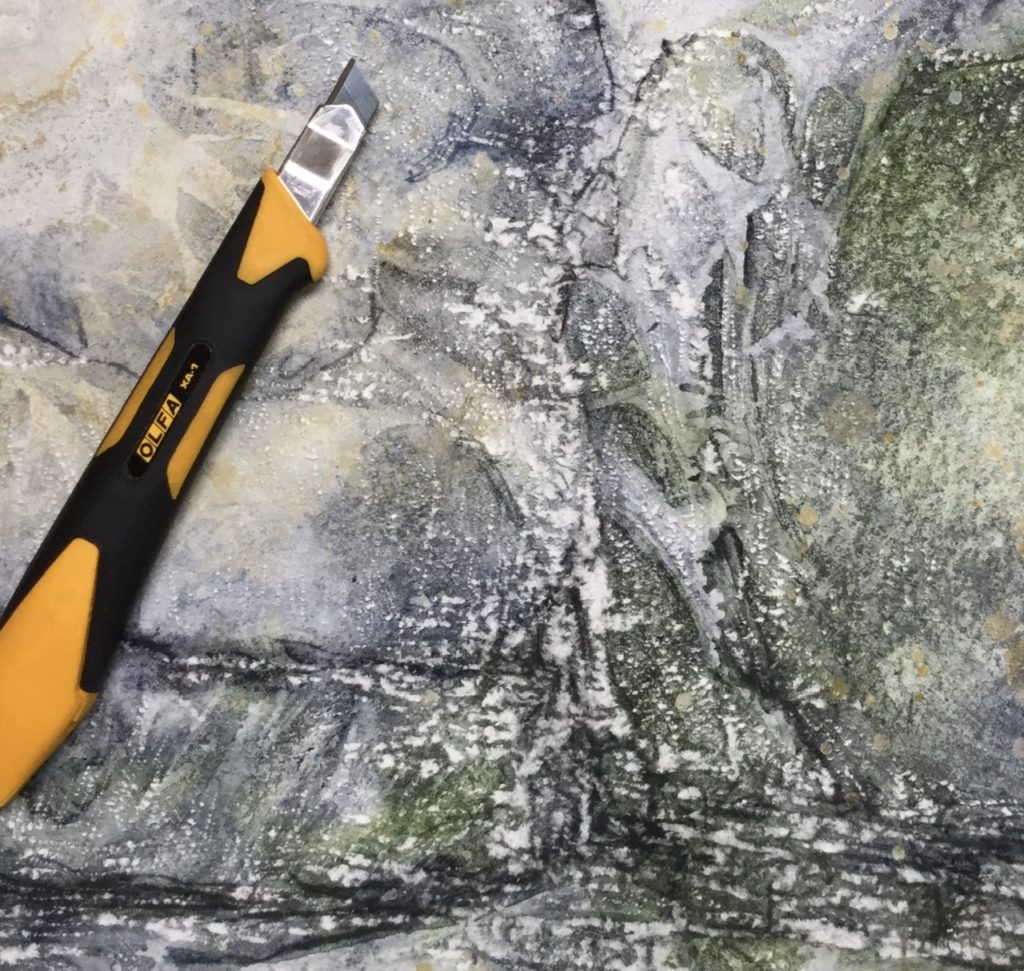
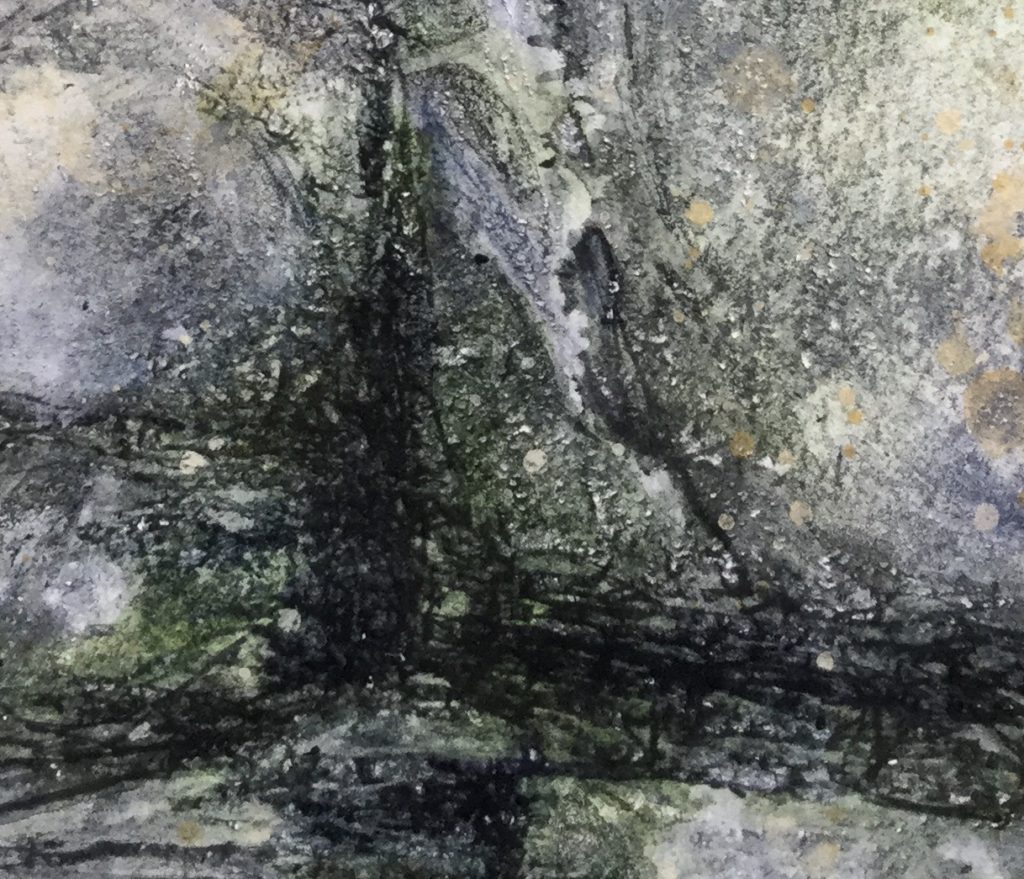
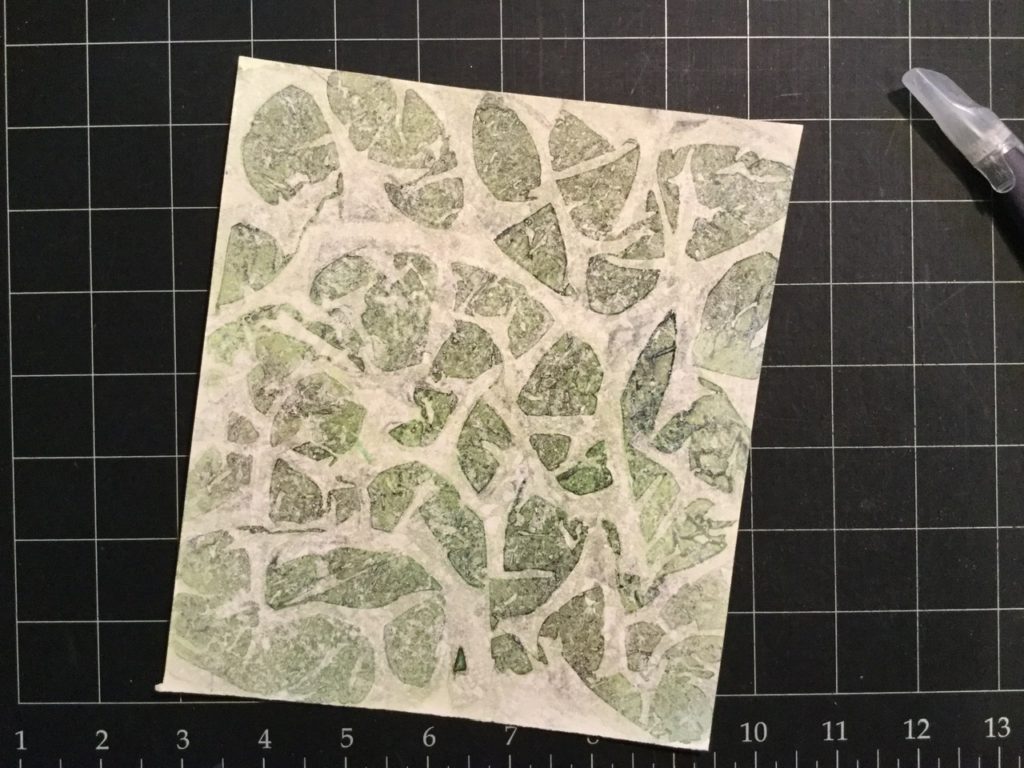
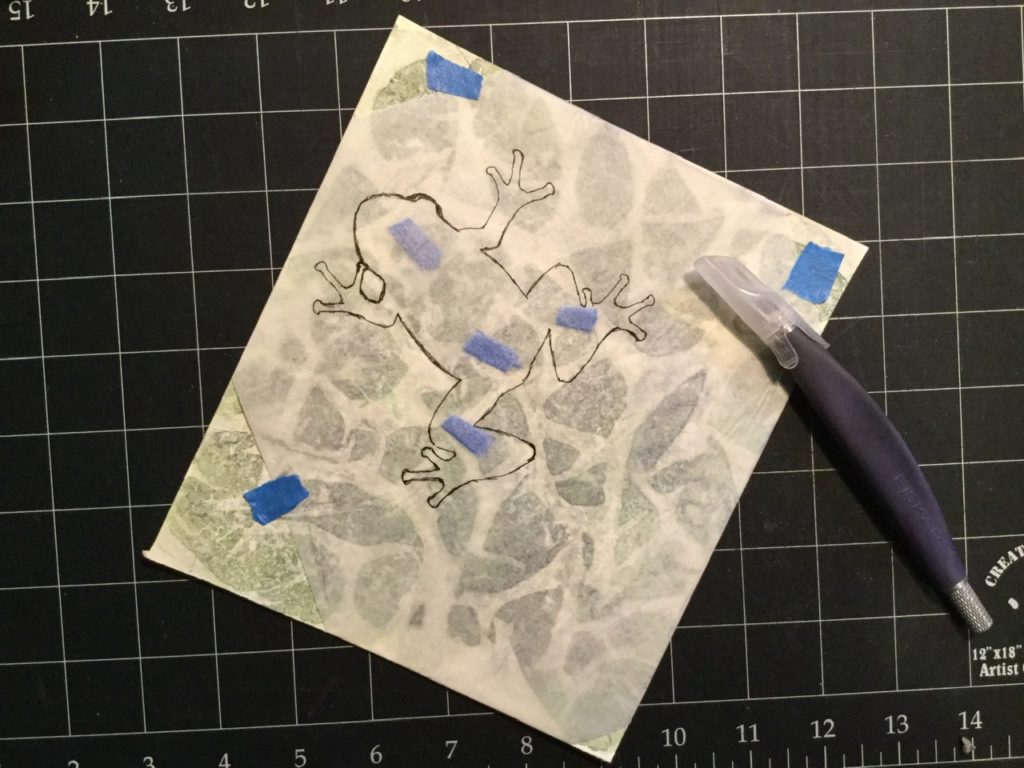
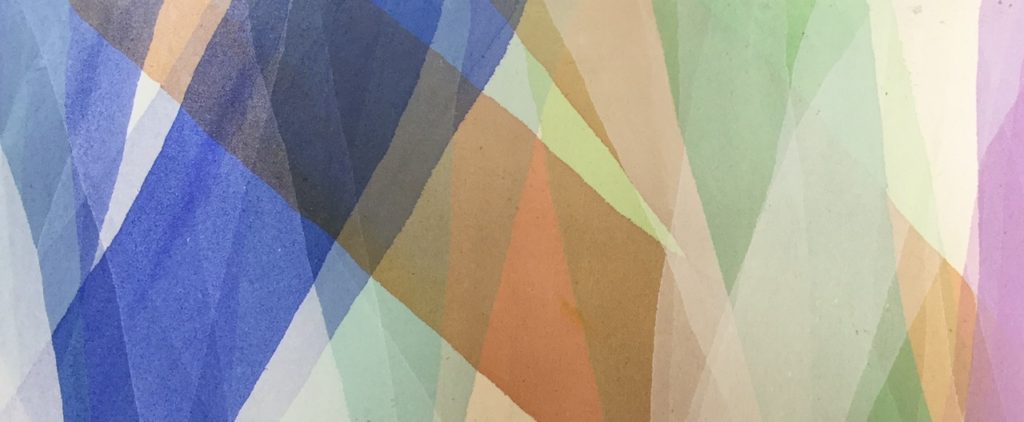
Mystery Technique #88


Curious about how this was done? You can find out the special techniques I used next month if you’ve signed up for email updates; I’ll explain more about it in January!

ANSWER TO MYSTERY TECHNIQUE #87:


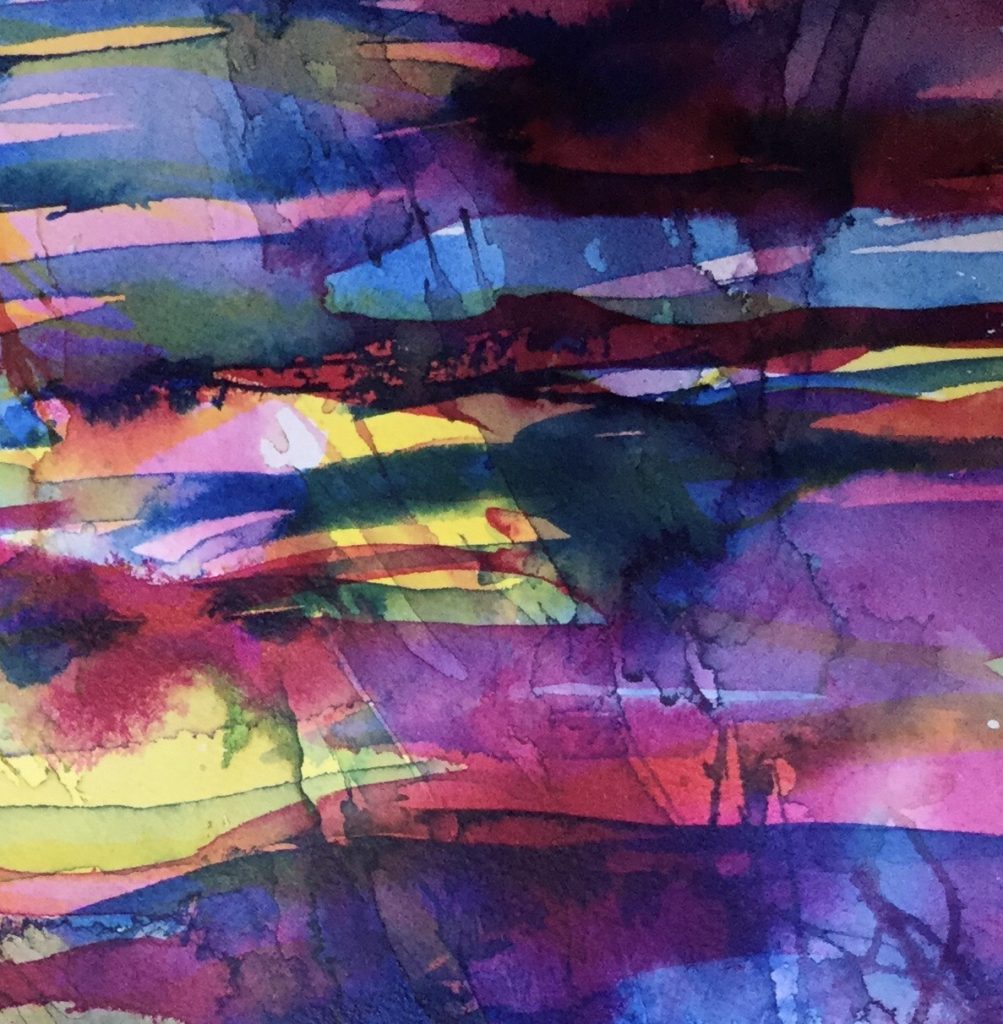
It’s amazing how different the same 3 colors can look! MYSTERY TECHNIQUE #87 and MYSTERY TECHNIQUE #86 were both painted with the same restricted palette of Phthalocyanine Blue (Green Shade), Quinacridone Magenta, and Cadmium Yellow Light Hue acrylic ink. #86 is on Yupo and #87 is on Arches 140 lb. Cold Press watercolor paper. Both feature lots of layers and wet-in-wet mixing. In #86, I used more water and allowed all 3 inks to mix more freely to create a more subdued palette. For added depth, #87 also has a first layer of linear shapes in diluted white ink and an intermediate layer of gloss medium shapes.

Mystery Technique

Mystery Technique #87


Curious about how this was done? You can find out the special techniques I used next month if you’ve signed up for email updates; I’ll explain more about it in December!


ANSWER TO MYSTERY TECHNIQUE #86:

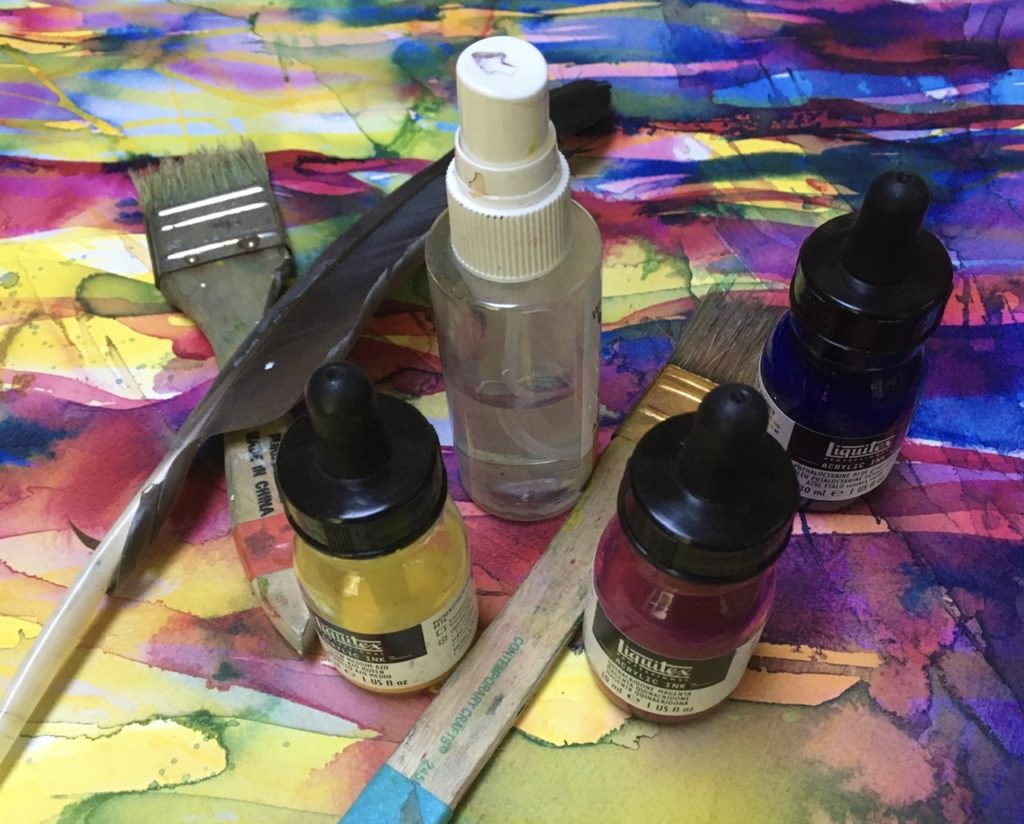
Exciting things happen when you combine acrylic ink, Yupo, and water! Here are my favorite 3 inks: Phthalocyanine Blue (Green Shade), Quinacridone Magenta, and Cadmium Yellow Light Hue. They’re too strong for me straight out of the bottle, so I typically work with a part ink/part water version that varies by color — half water/ half ink for Phthalo Blue, less water for the others. The piece of blue painter’s tape on each bottle is my signal that it’s a diluted mixture. I started by drawing looping root-like shapes with water, which tends to bead up on the plastic paper, so I used “custom” brushes to convince the water to adhere before adding the diluted ink. The brushes are just old hog bristle ones that I gave a haircut. Next, I created wet-in-wet mixtures by dropping in different amounts of the 3 inks. Because Yupo is nonabsorbent, intriguing textures happened as the water slowly evaporated. Repeating the process several times added more depth and richer color.

Mystery Technique

Mystery Technique #86


Curious about how this was done? You can find out the special techniques I used next month if you’ve signed up for email updates; I’ll explain more about it in November!


ANSWER TO MYSTERY TECHNIQUE #85

This is my favorite exercise from one of my favorite books about the creative process — notice all the marked pages! It’s full of wonderful writing exercises that are easy to turn into painting prompts. These are “word tickets,” which are great for generating ideas for poems, stories, titles, paintings, and more! It’s especially fun to use them to do a collaborative painting project. You can even use them when you’re “stuck” about what to do next in a painting. Hunting in old magazines for promising words to add to your collection is part of the fun! My word tickets live in a special box, which you can see a corner of the photo. You can learn more, including how the author used them at an Art Opening in Chapter 4, “the answer squash.”