Category Archives: Mystery Technique

Mystery Technique

Mystery Technique #79

CD702AC1-826B-454F-81FE-87CF732AF798


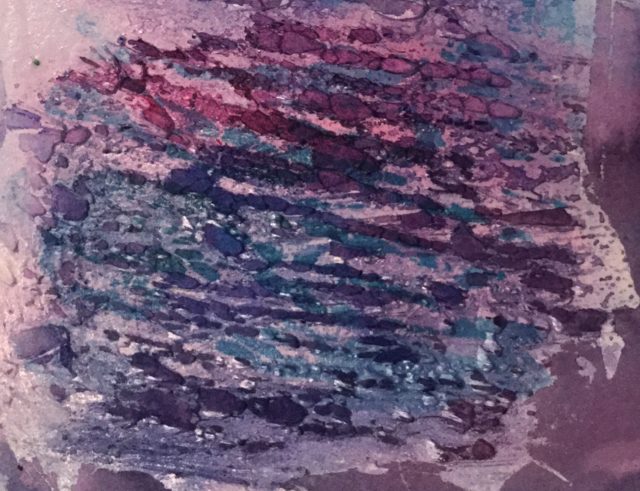
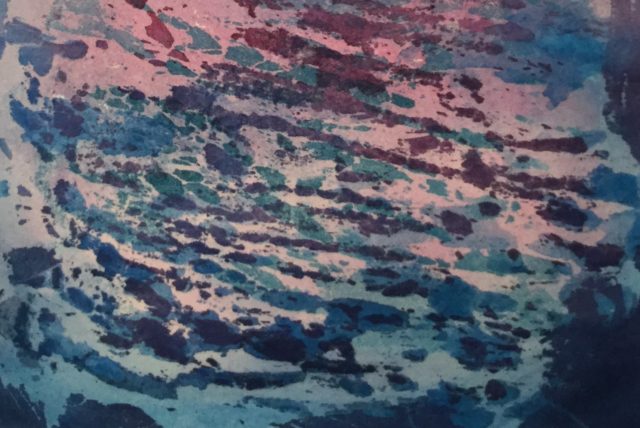
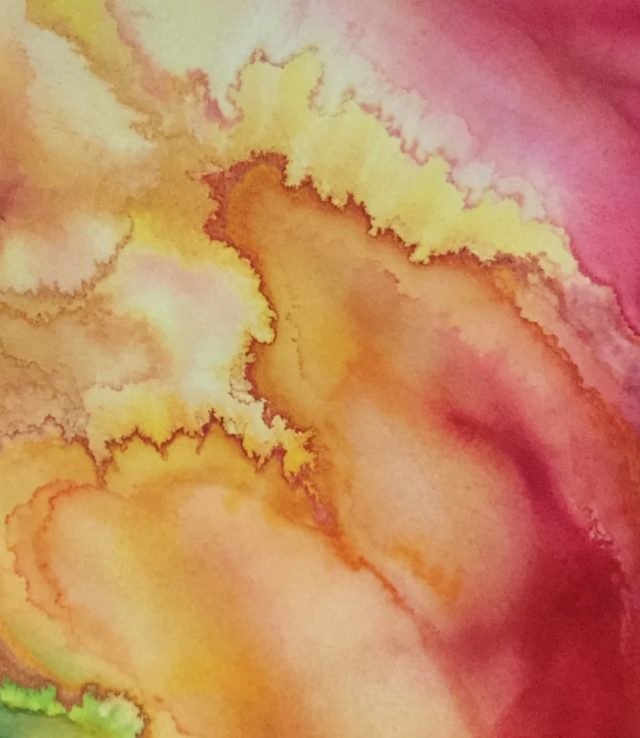
Wonder which techniques I used to paint this? You can find out next month if you’ve signed up for email updates; I’ll reveal the details in April!


ANSWER TO MYSTERY TECHNIQUE #78

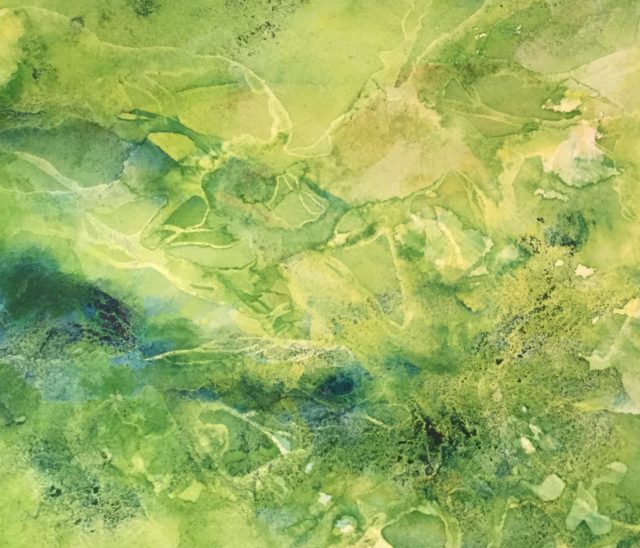
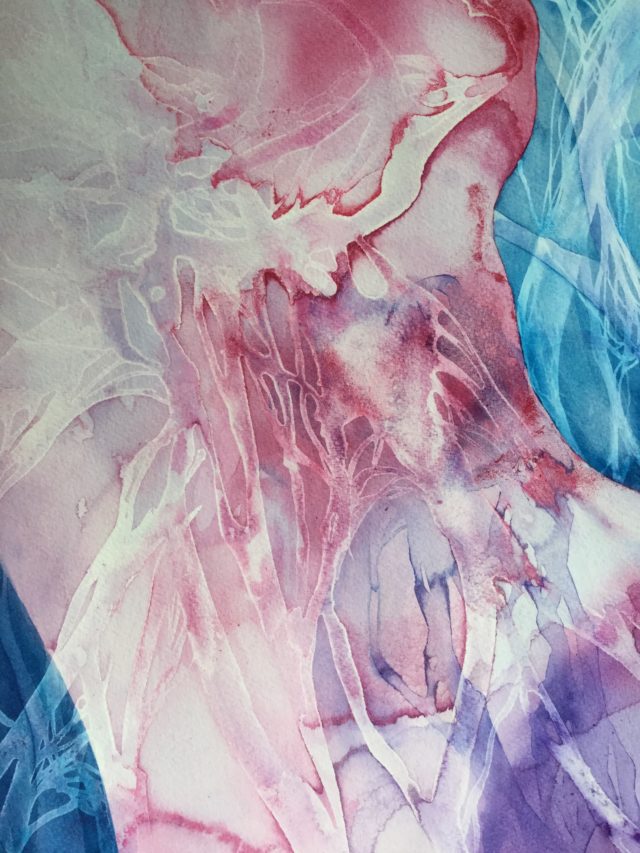
You can get interesting “ghost” shapes with acrylic medium and watercolor glazes. To avoid pencil lines, I started by drawing tangled linear shapes with a brush filled with water. Next I added diluted gloss medium to the watery lines. After this layer dried, I applied green and blue watercolor glazes with some granulation medium in the blue to increase the texture. The ghost shapes of acrylic medium partially resist the watercolor and show through the other layers to increase the sense of depth. Here’s another example:
 

FD775B7C-ED2D-496F-8D84-8F33E7484C3C


Mystery Technique

Mystery Technique #78


180E2FF8-7A3A-452C-A050-CCFCC8B4BB11


Wonder which techniques I used to paint this? You can find out next month if you’ve signed up for email updates; I’ll reveal the details in March!


ANSWER TO MYSTERY TECHNIQUE #77:


07C84A36-1CCD-4C5F-A266-97E0D9ADF4B0


read more »

Mystery Technique

Mystery Technique #77

769E6F03-424F-41A6-9DDA-61715BD39C30


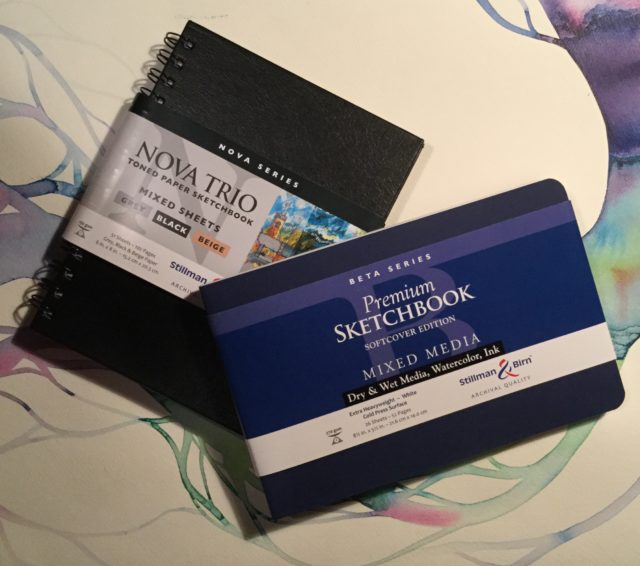
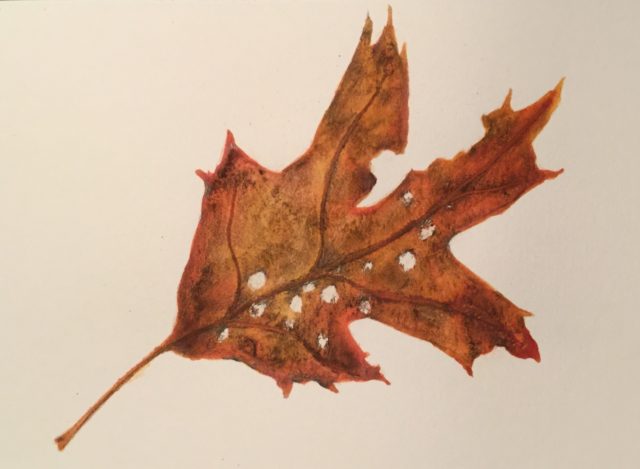
I have a new favorite sketchbook, and I’m using it to record things I find on my walks! Wonder which kind and what techniques I used to paint this oak leaf? You can find out next month if you’ve signed up for email updates; I’ll reveal the details in February!


ANSWER TO MYSTERY TECHNIQUE #76:

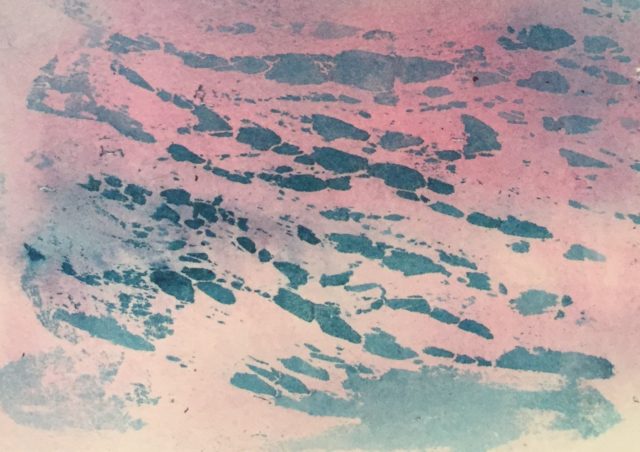
This is a fun experiment to try with masking fluid. You’ll also need a rubber cement pickup. Put a layer of masking fluid on dry watercolor paper. If you do an underpainting first like I did, make it a little stronger in case some of the paint sticks to the masking. I used a cotton swab and a piece of plastic to quickly spread the masking fluid over the area. After it dried, I dragged a corner of the rubber cement pickup over the surface to pull up the masking in diagonal streaks; then I added a blue-gray layer of watercolor paint. When the paint dried, I removed the rest of the masking, and this is what it looked like:


D9C75655-897F-4C9E-9E4C-8FB711EE9422


To make a more complex texture, I repeated the entire process. Here’s what it looked like before I finished removing the rest of the second masking fluid layer:


B3384C94-4626-4F18-8EDE-89DEEE780FC8


And here’s the final image again with all the masking removed:


94580DA4-9FA8-4905-908E-C5E871A8137B