Tag Archives: Watercolor pencils

Mystery Technique

Mystery Technique #134

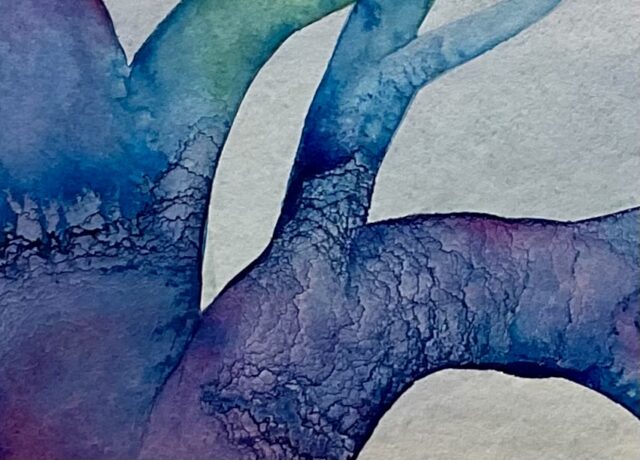
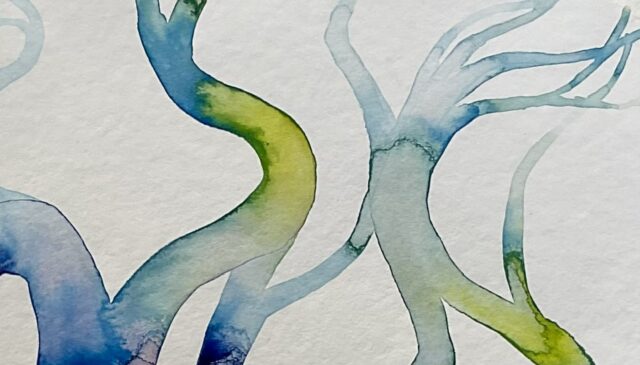
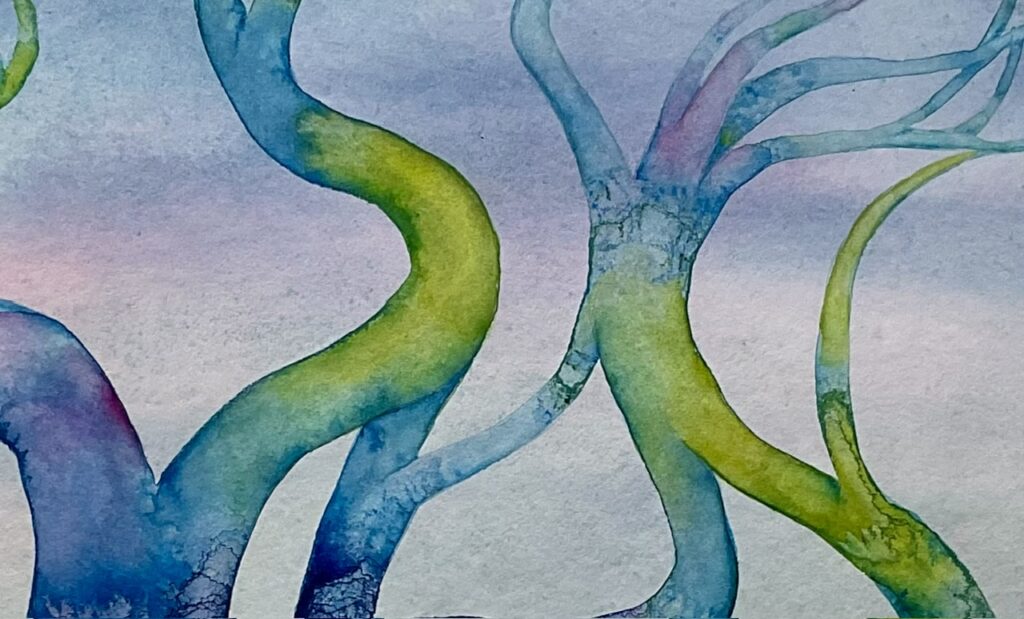
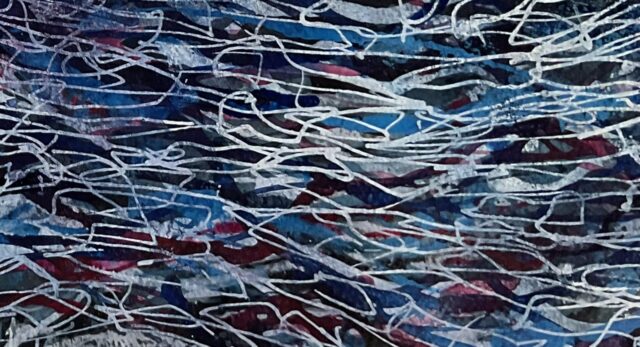
Curious about the techniques used here? You can learn more next month if you’ve signed up for email updates!

ANSWER TO MYSTERY TECHNIQUE #133:
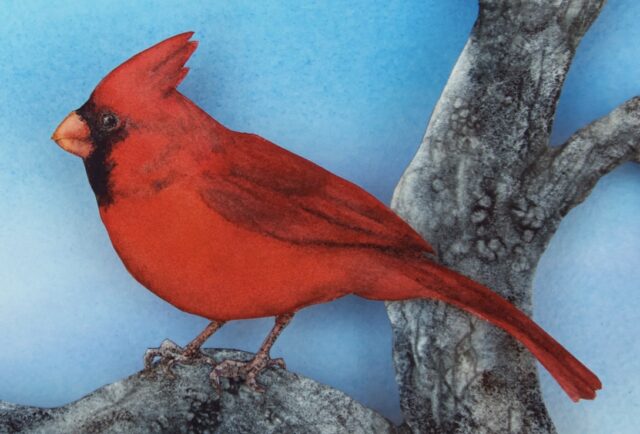
After sketching the cardinal on tracing paper, I used a light box to transfer the drawing onto watercolor paper. Next I mixed several reds for the first layer and added a little New Gamboge to the beak. When this layer dried, I rewet the paper, then painted bluish black next to the beak before quickly adding another layer of red. I came in wet-in-wet with a pale brownish gray to suggest darker feathers and shadows; to control the results, I kept this color drier than the red. I finished the eye, beak, and feet with watercolor pencils and stippling with a .005 Micron black pen.
Mystery Technique

Mystery Technique #126

Curious about the techniques used here? You can learn more next month if you’ve signed up for email updates!

ANSWER TO MYSTERY TECHNIQUE #125, PART 2:

Watercolor pencils are a big part of this technique! Intriguing edges can form as watery paint slowly evaporates:

Here’s another part of the same painting where less is happening, and some enhancement is needed:

Because watercolor pencils can make so many different kinds of marks, they can effectively mimic what happens during evaporation. It’s fun to experiment with working on both wet and dry paper, dipping the pencil tip in water, and drawing with the side of the tip. See if you can spot the differences in this final version, which also includes the background and another layer of paint for increased depth:

Mystery Technique

Mystery Technique #121

Curious about the techniques used here? You can learn more next month if you’ve signed up for email updates!

ANSWER TO MYSTERY TECHNIQUE #120:

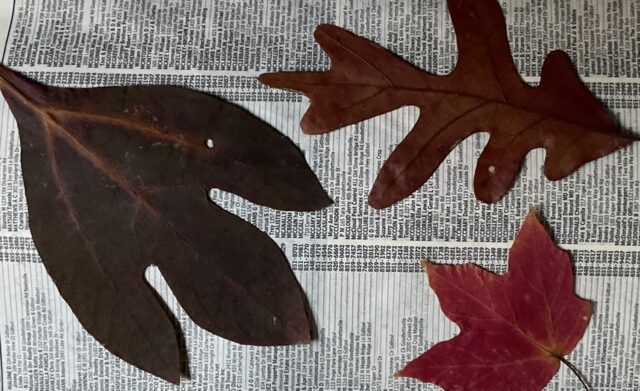
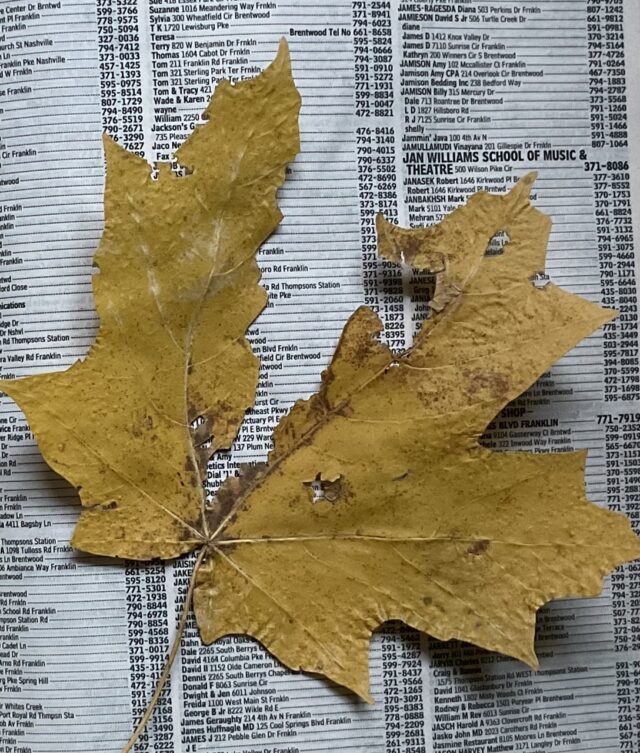
Every fall, I use the pages of an ancient phone book to flatten the fallen leaves that I collect on my walks. Since most of the colors quickly fade, I also look for interesting shapes:

Some of these leaves have inspired parts of paintings or sculptures; I’ve shared others with my students.

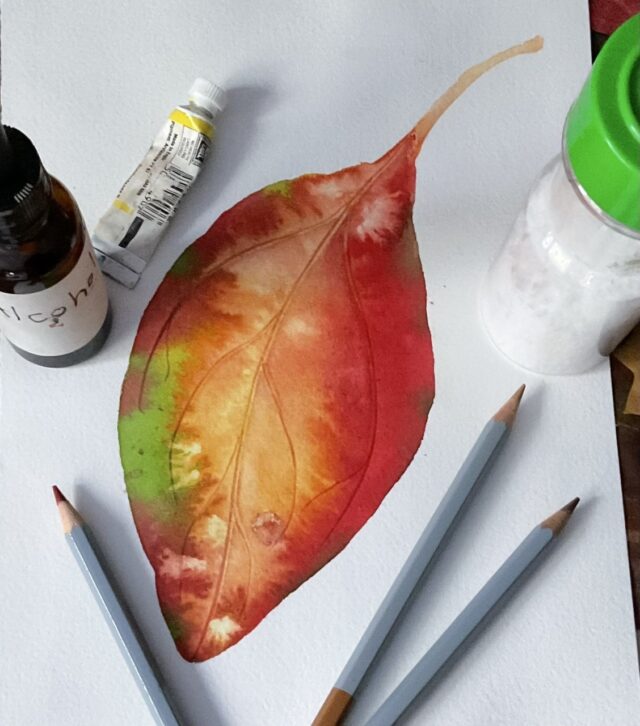
It’s a satisfying experience to get to know the contours of a particular leaf by tracing around it. For this demo, I wanted the outline to fade into the paint, so I drew it with watercolor pencils. Next I painted the leaf shape with water, then added some yellow and red. While the colors were still wet, I added a little green before scratching in dark veins with the end of a metal paint tube. I also sprinkled some kosher salt into the wet paint and added one small drop of rubbing alcohol for the bug hole. I waited until the paint was completely dry before brushing off the salt. To create the lighter and slightly thicker veins, I used a watercolor pencil to echo the angle and direction of some of the existing dark lines, leaving a slight gap.