Tag Archives: Wet-in-wet

Mystery Technique

Mystery Technique #149

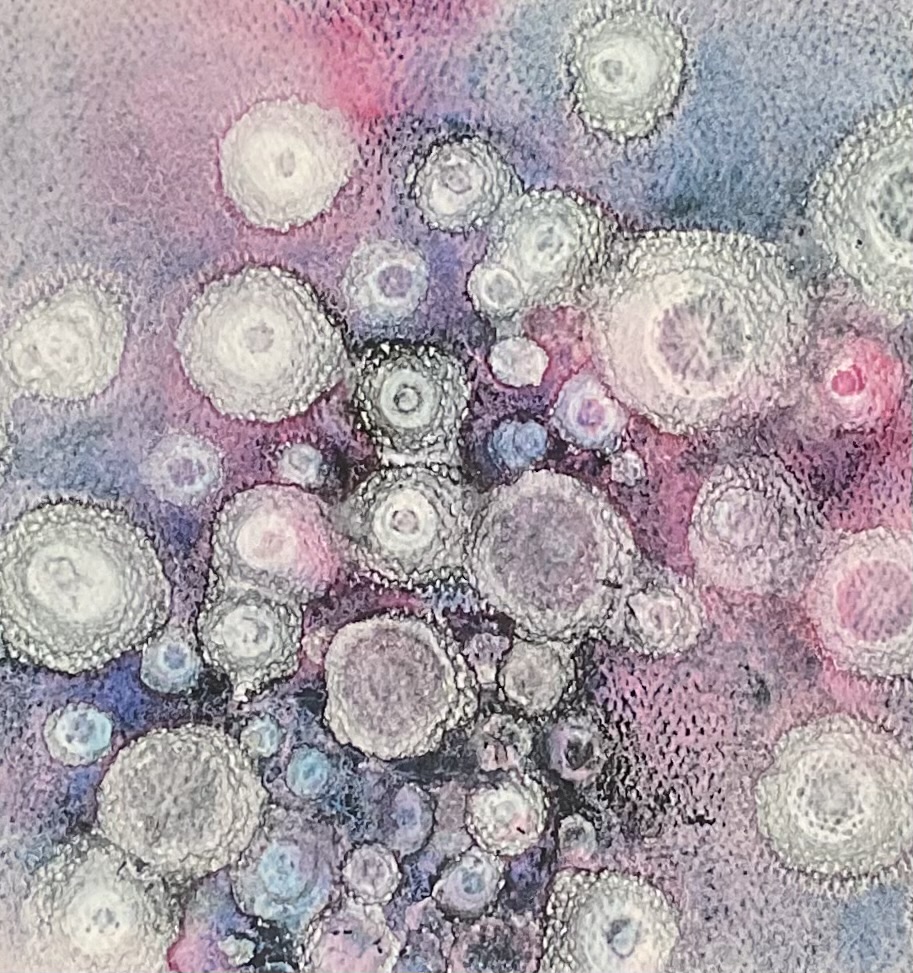
Curious about the techniques used here? You can learn more next month if you’ve signed up for email updates! 

ANSWER TO MYSTERY TECHNIQUE #148:
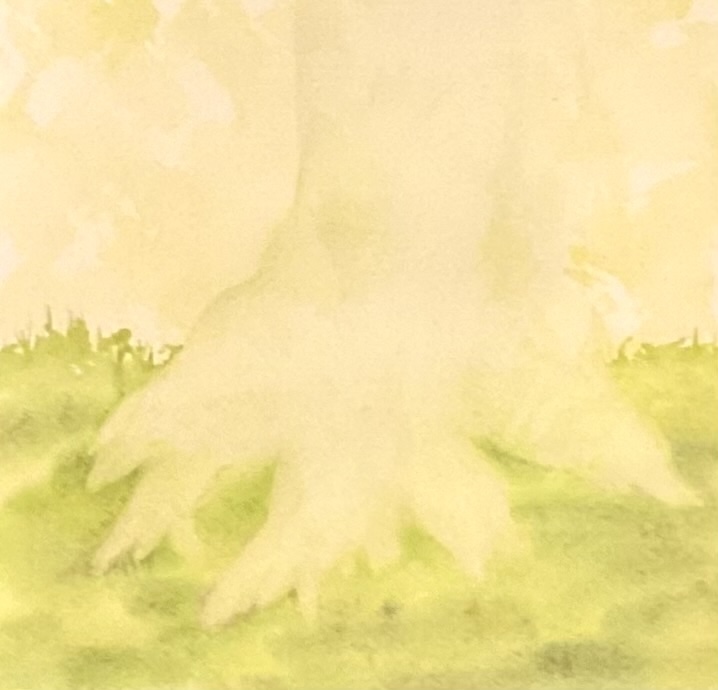
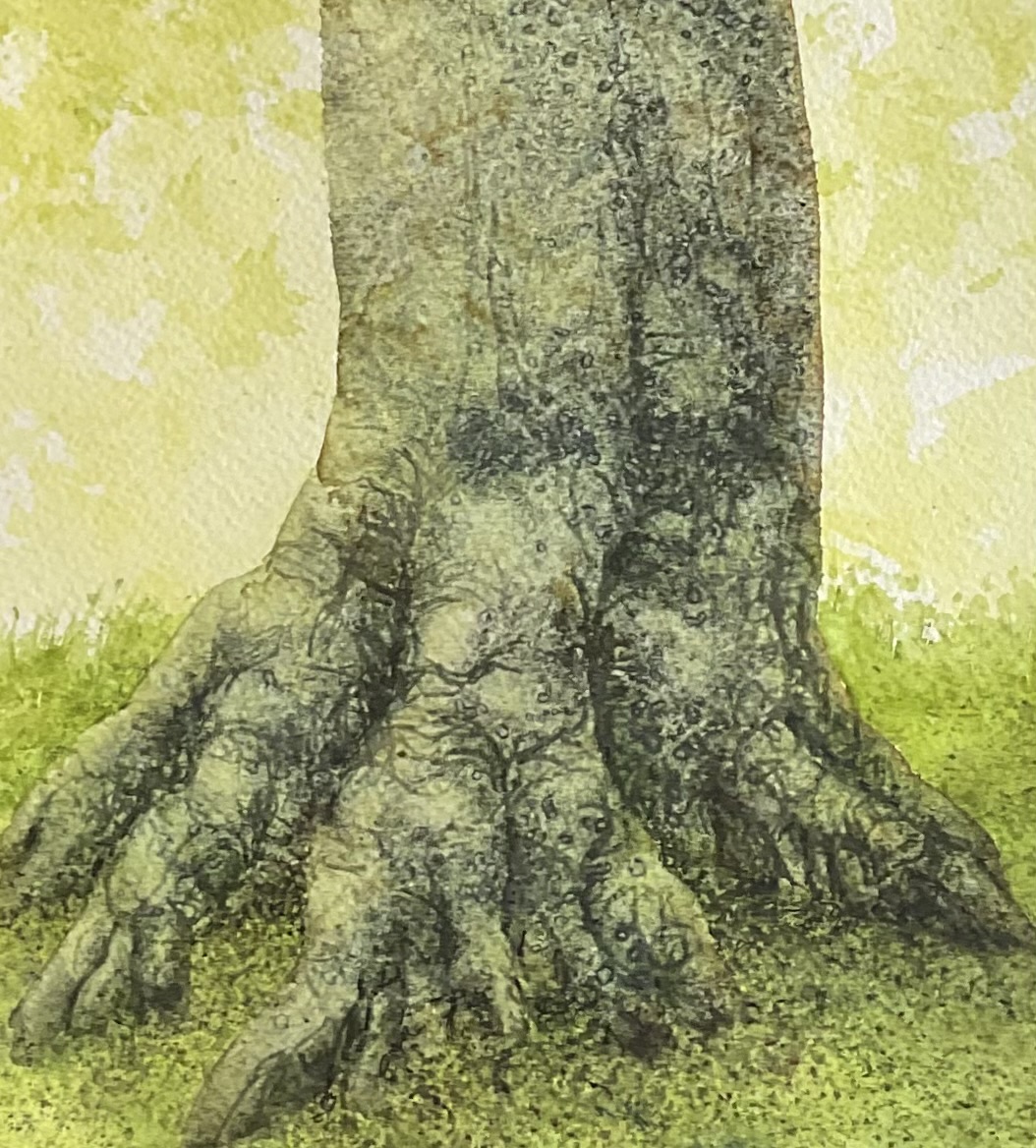
I started by using a ratty brush to create the first layer of the background foliage. Next I painted the ground with a wet-in-wet mixture of 2 granulating greens and yellow, then lifted out the roots with a damp sponge. After this dried, I painted the roots wet-in-wet and used the end of a metal paint tube to scratch linear patterns for the bark before sprinkling in kosher salt for more texture.
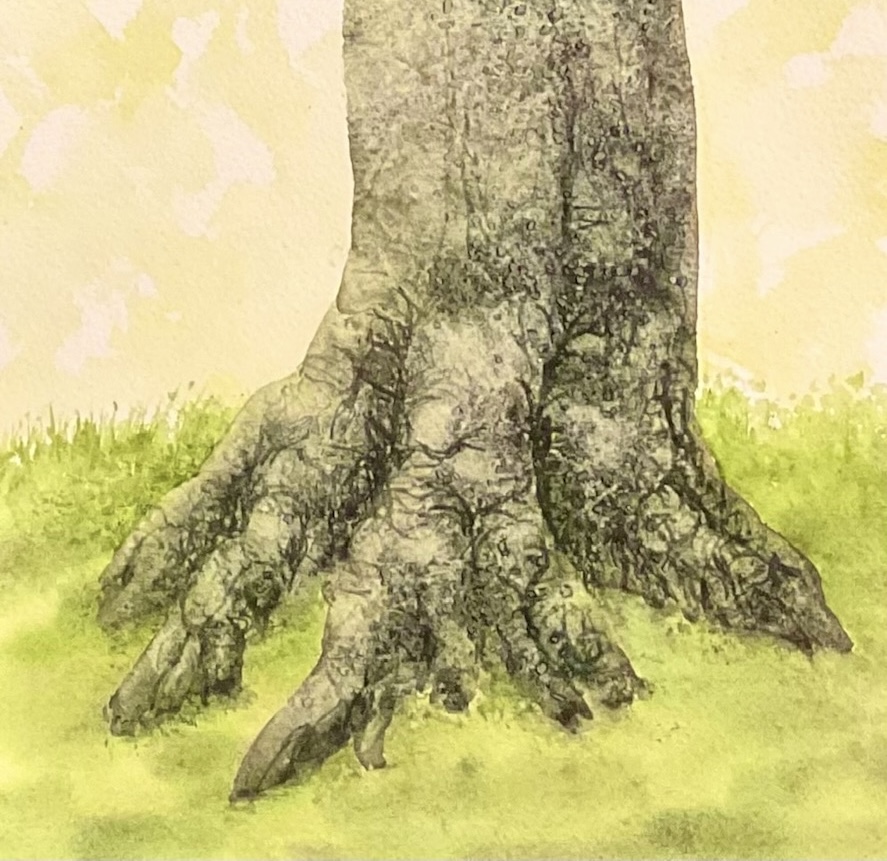
I let this layer dry, then brushed off the salt and added 2 more layers to the foliage before finishing the ground. Working on dry paper, I used a modified fan brush and a piece of non-slip shelf liner to add more texture and kept the color out of the roots with pieces of torn paper. I also darkened a few places with watercolor pencils.

Mystery Technique

Mystery Technique #148

Curious about the techniques used here? You can learn more next month if you’ve signed up for email updates! 

ANSWER TO MYSTERY TECHNIQUE #147:

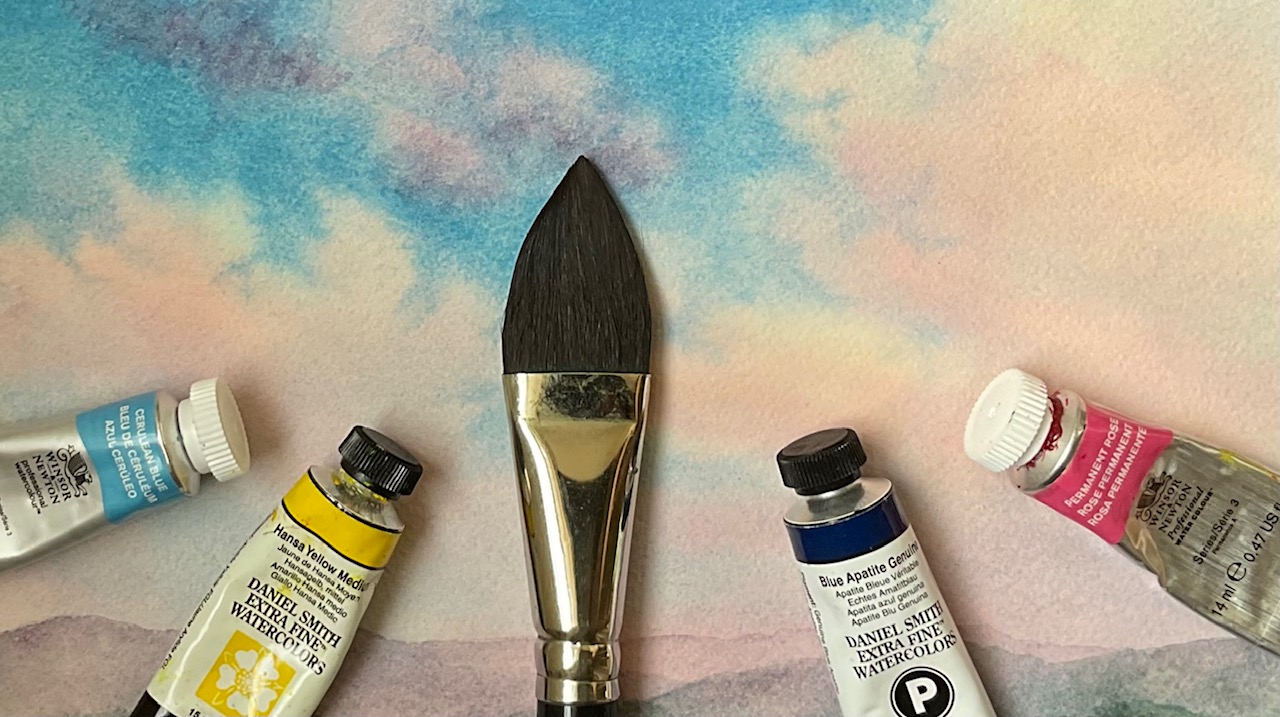
After wetting the entire piece of paper, I painted around the shapes of the clouds with Cerulean Blue, using the point of an oval wash brush to create wispy edges and blotting excess blue away with a dry paper towel or damp sponge. Next I added hints of blue for cloud shadows. After this layer dried, I painted the main clouds wet-in-wet with diluted Hansa Yellow Medium and Permanent Rose, using a damp brush and sponge to soften edges or make transitions between wet and dry areas. The darker clouds were painted in the same way with a mix of Permanent Rose, Cerulean Blue, and Blue Apatite.

Mystery Technique

Mystery Technique #147

Curious about the techniques used here? You can learn more next month if you’ve signed up for email updates! 

ANSWER TO MYSTERY TECHNIQUE #146:

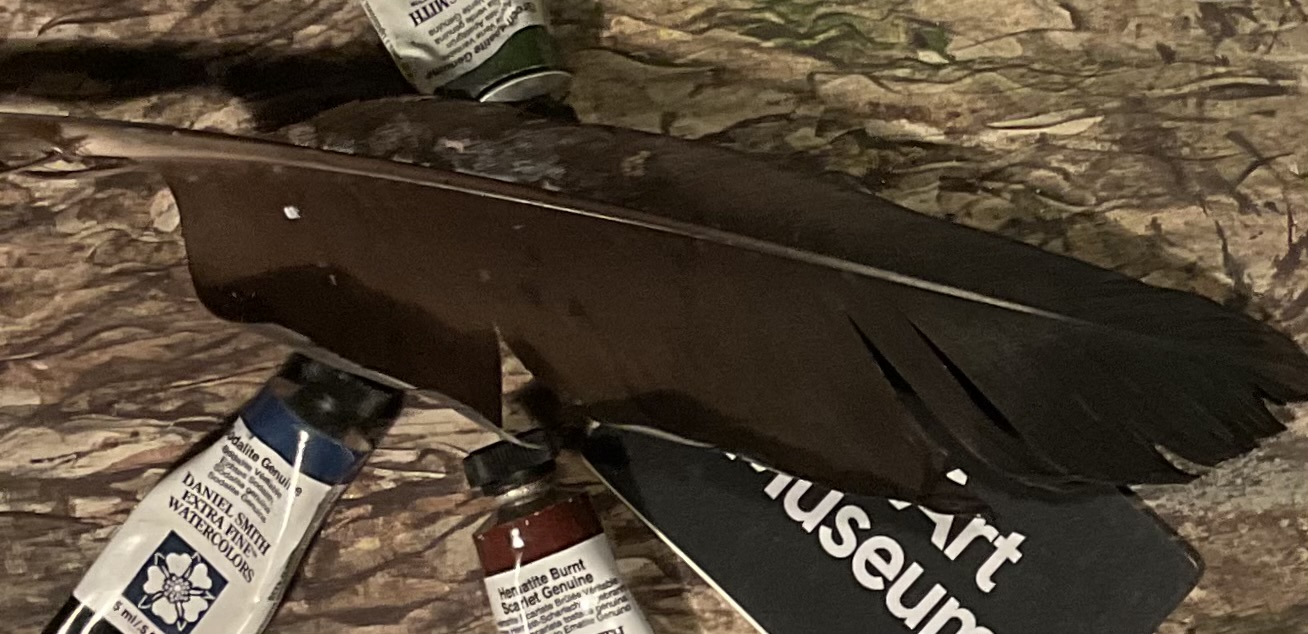
I started by applying 3 different granulating watercolors to wet paper and partially mixed them wet-in-wet, letting some of the brushstrokes show. Next I used the end of a stiff plastic card to scrape a few irregular light lines into the damp paint. After the paper was completely dry, I dipped a goose feather into wet paint and added dark expressive lines, twisting the feather to vary the thickness and direction of the linear marks. I also continued using the plastic card to quickly scrape away some of the dark color before it dried.