Tag Archives: glazing

Mystery Technique

Mystery Technique #157

Curious about the techniques used here? You can learn more next month if you’ve signed up for email updates! 


ANSWER TO MYSTERY TECHNIQUE #156:
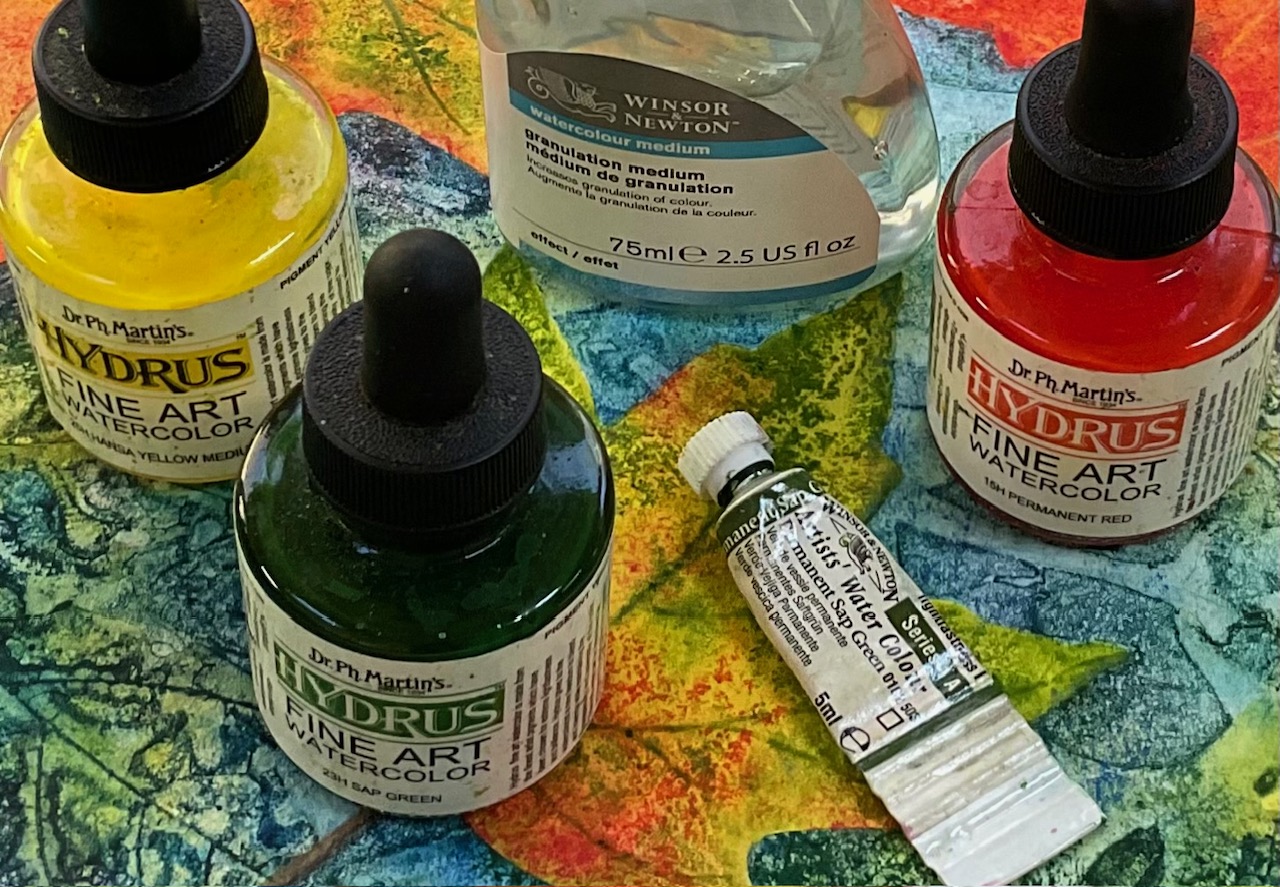
You can create intriguing textures by glazing with diluted Hydrus watercolors! This leaf started with a layer of yellow. After it dried, I wet the entire shape and dropped in Hydrus Permanent Red and Winsor & Newton’s Granulation Medium. I tilted the paper back and forth to increase the texture. When this layer was dry, I wet the leaf again and added Hydrus Sap Green, more Granulation Medium, and the veins, which I scratched in with the end of a metal paint tube.
Mystery Technique

Mystery Technique #154

Curious about the techniques used here? You can learn more next month if you’ve signed up for email updates! 

ANSWER TO MYSTERY TECHNIQUE #153:

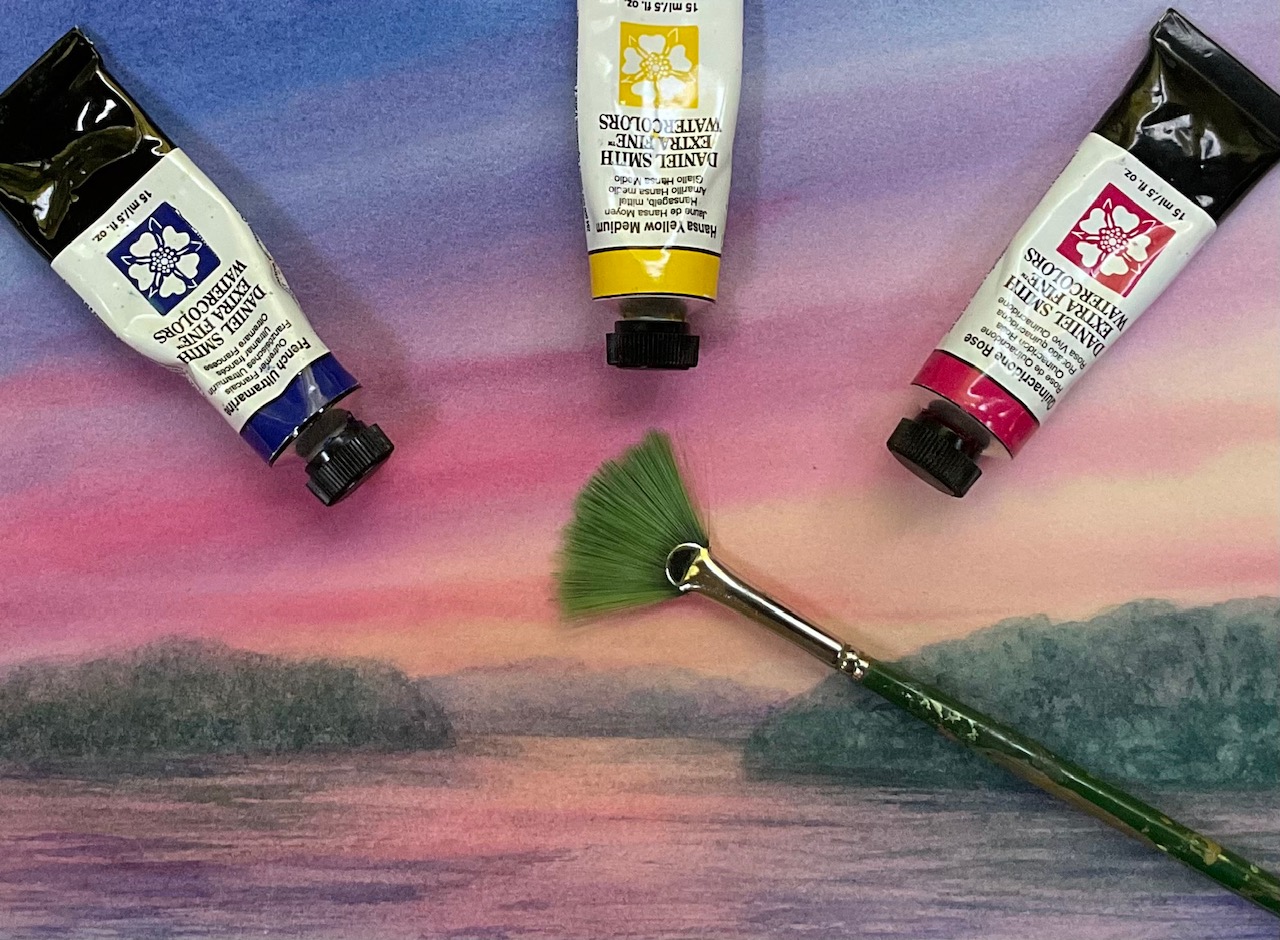
Painting water is much easier if you have the right kind of fan brush! The stiffer bristles of oil and acrylic ones work better than those for watercolor, and you can get more varied marks if you give your brush a haircut.


I started this painting with the sky and its reflection in the water, using a wet-in-wet mixture of yellow and rose for the first layer. After this dried, I added a glaze of blue in places. Next I painted the distant island with a thin glaze and let the sky color show through for more depth and luminosity. I added the first layer of the other 2 islands before building up light strokes with this modified fan brush to hint at the water‘s motion and to suggest the islands‘ reflections. I finished by using a damp sponge to apply slightly darker greens on the islands to create the texture of foliage.

Mystery Technique

Mystery Technique #141

Curious about the techniques used here? You can learn more next month if you’ve signed up for email updates!

ANSWER TO MYSTERY TECHNIQUE #140:

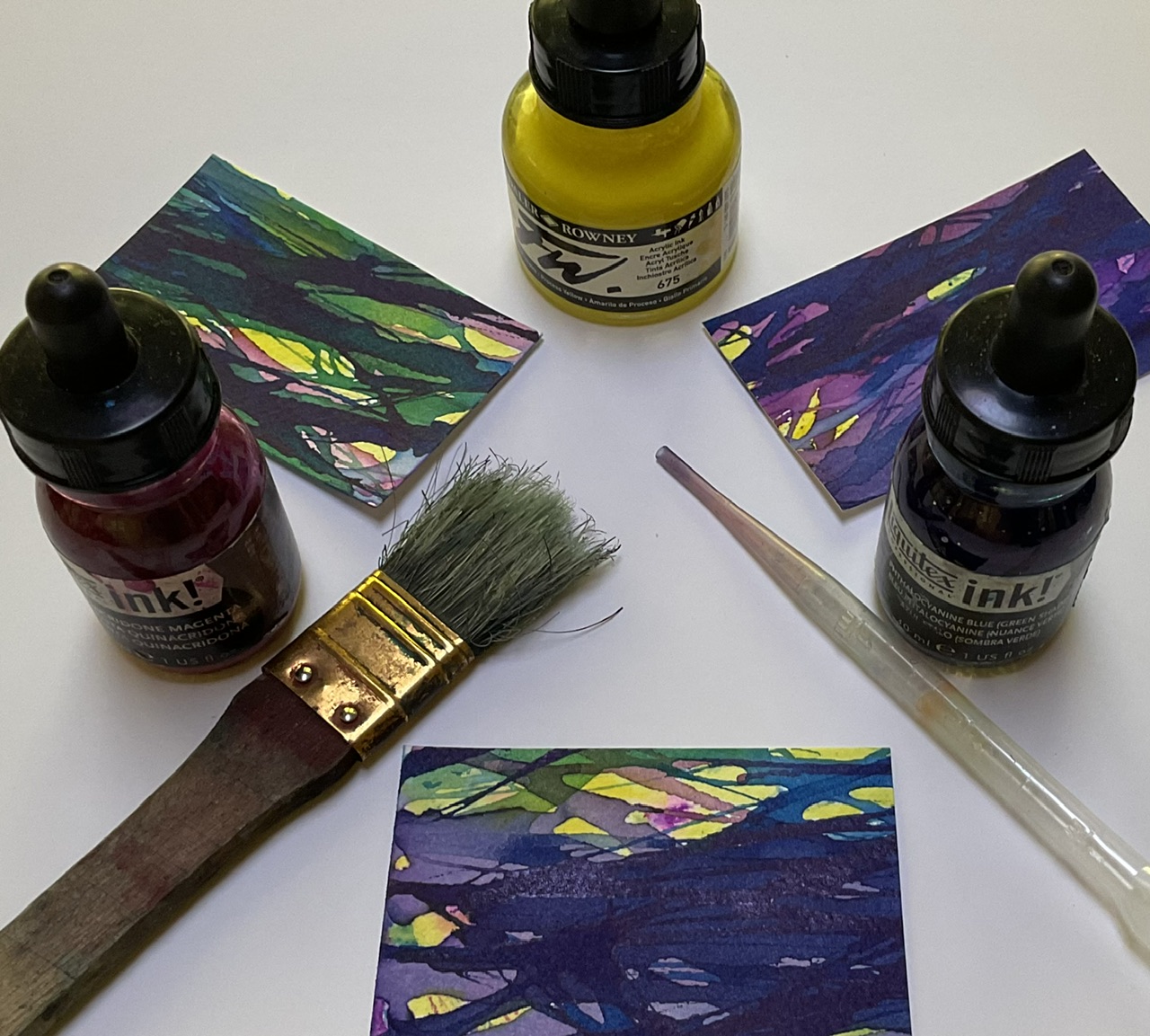
Here’s another example of glazing, this time with acrylic inks. First I used a modified bristle brush to selectively wet the paper with irregular strokes of water; then I dropped in diluted magenta, blue and yellow, letting them mix in places to create a range of colors. After this layer dried, I repeated the process 2 more times, sometimes dragging the tip of a pipette through the wet paint to create thin lines. Next I painted any remaining bits of white paper with yellow. The final step was to cut the painting into business cards.